


Non tutta la lana è migliore
Quindi, hai sentito parlare dell’entusiasmo per i calzini di lana, giusto? Dovrebbero essere il massimo per i tuoi piedi. E sì, la lana, specialmente quella Merino, ha alcune capacità naturali davvero eccezionali. Ti tiene caldo quando fa freddo e, sorprendentemente, è abbastanza efficace anche a mantenerti fresco quando fa caldo. Inoltre, ha questo superpotere incorporato contro il cattivo odore, che è una grande vittoria per chiunque abbia mai dovuto affrontare piedi sudati.
Ma ecco il punto: solo perché è lana non significa automaticamente che sia la cosa migliore per i calzini. Pensala così: puoi avere una macchina sportiva di lusso, ma se è senza benzina e con pneumatici lisci, non ti porterà molto lontano, vero? Lo stesso vale per i calzini di lana. Non tutta la lana è uguale, e a volte affidarsi solo al 100% lana può portare a un’esperienza meno che ottimale per i tuoi piedi.
Anche se la lana ha proprietà fantastiche, usarla da sola nei calzini può a volte causare problemi di durata ed elasticità. È un po’ come cercare di costruire una casa con un solo tipo di materiale: potresti perdere i vantaggi che altri materiali possono offrire.
Qui le cose si fanno interessanti. Potresti vedere calzini etichettati come lana, ma la percentuale reale può variare molto. A volte, quello che sembra un ottimo calzino di lana è in realtà per lo più altro materiale, con solo un pizzico di lana. E anche quando è 100% lana, la qualità di quella lana può variare. Stiamo parlando della differenza tra una nuvola soffice e, beh, qualcosa di un po’ più… ruvido. Quindi, prima di entusiasmarti per un’etichetta di lana, vale la pena approfondire un po’. A volte, un po’ di nylon è in realtà una cosa buona per la durata dei calzini.
Cosa fa la lana Merino
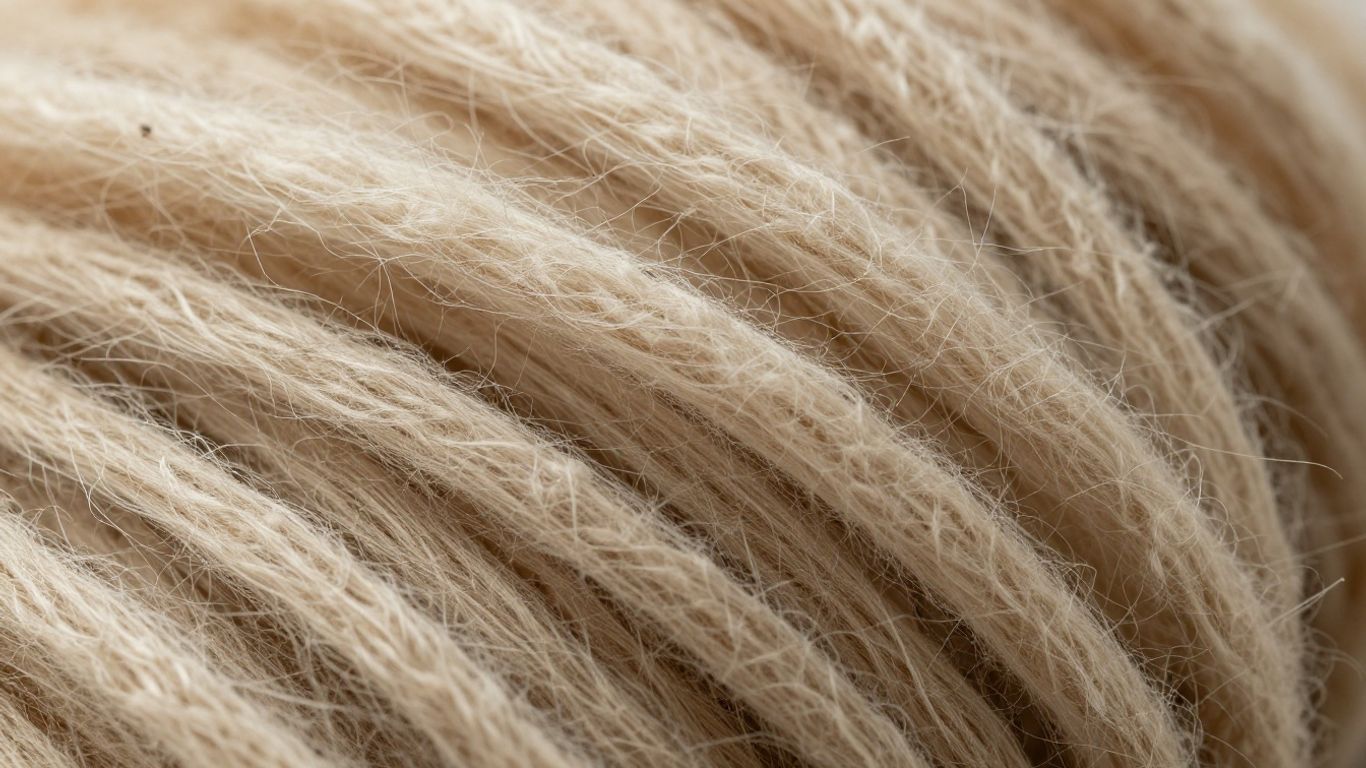
Quindi, hai queste pecore Merino di lusso, giusto? Sono praticamente gli esperti naturali del controllo climatico. Vivendo in montagna, avevano bisogno di una lana che potesse affrontare tutto, dal sole cocente alle bufere di neve gelide. E cavolo, ce l’hanno fatta.
La lana Merino è davvero straordinaria. È super fine, il che significa che non dà quella sensazione ruvida del maglione di lana che ti ha fatto la nonna. No, questa è morbida. Davvero morbida. Inoltre, ha questa capacità di regolare la temperatura. Lavora con il tuo corpo per tenerti caldo quando fa freddo e fresco quando fa caldo. Pensala come un termostato personale tessuto nel tessuto.
Ecco una rapida panoramica dei suoi superpoteri:
- Traspirante: Allontana il sudore dalla pelle prima che ti faccia sentire appiccicoso. È una cosa importante quando sei in giro.
- Resistenza agli odori: A differenza dei tessuti sintetici che iniziano a puzzare dopo, tipo, cinque minuti, il Merino ha proprietà naturali che combattono i cattivi odori. Puoi indossarlo per giorni (se vuoi davvero, nessun giudizio) e non diventerà un pericolo biologico.
- Traspirabilità: Lascia passare l’aria, fondamentale per evitare che i piedi si surriscaldino.
- Resistenza: Queste fibre sono molto robuste. Possono piegarsi e torcersi molto senza rompersi, motivo per cui i calzini in Merino durano a lungo.
La capacità della lana Merino di gestire l’umidità è particolarmente impressionante. Può assorbire una quantità significativa di vapore acqueo prima che tu senta l’umidità, per poi rilasciarla nell’aria. Questo processo aiuta a mantenere un microclima confortevole intorno ai piedi, prevenendo quella sensazione di bagnato che può causare vesciche e disagio generale.
È questa combinazione di morbidezza, controllo della temperatura e gestione dell’umidità che rende la lana Merino così apprezzata per l’abbigliamento outdoor e, beh, per i calzini che vuoi davvero indossare. È una fibra naturale che fa molto più di quanto ci si aspetti, offrendo comfort e prestazioni difficili da battere. Se sei curioso, puoi leggere di più sulle sue impressionanti capacità di assorbimento dell’umidità.
Perché aggiungere il nylon
Ok, ami i tuoi calzini in merino—sono morbidi, caldi e, diciamolo, odorano molto meglio di quei calzini di fibra misteriosa della nonna. Ma avrai notato qualcosa di strano nelle piccole scritte: c’è quasi sempre un po’ di nylon mescolato. Perché? I produttori di calzini ci stanno prendendo in giro? No. C’è un metodo in questa strana matematica dei calzini.
Il nylon è l’arma segreta del mondo dei calzini per farli durare a lungo. Da solo, il merino fa un buon lavoro contro l’usura, ma il continuo sfregamento di talloni, dita e il costante attrito dentro le scarpe fa sì che la lana si indebolisca e si fori molto più velocemente di quanto vorresti.
Immagina i tuoi calzini come piccoli cavalieri corazzati. Il merino porta fascino, comfort e capacità di gestire la temperatura, ma il nylon è la maglia di ferro. Ecco cosa ottieni quando i designer di calzini aggiungono nylon al merino:
- Calzini più resistenti: Il nylon è molto più durevole della lana, quindi aiuta i calzini a sopravvivere a escursioni impegnative o semplicemente a convivere con quell’amico che non indossa mai le pantofole.
- Meno formazione di pallini: Conosci quelle piccole palline di lana che compaiono dopo qualche lavaggio? Il nylon aiuta a mantenere la superficie liscia.
- Durata più lunga: I calzini con più nylon possono resistere a anni di usura—parliamo di centinaia di chilometri, non solo di qualche lavaggio.
Vuoi qualche numero? Dai un’occhiata a questa suddivisione dei materiali dei calzini:
| Stile del calzino | Merino (%) | Nylon (%) | Spandex (%) |
|---|---|---|---|
| Leggero a righe | 48 | 45 | 7 |
| Trekking medio peso | 61 | 36 | 3 |
(Le percentuali variano a seconda dello stile e della funzione, ma la storia è la stessa: più nylon significa calzini più resistenti.)
Quindi la prossima volta che vedi nylon sull'etichetta, non preoccuparti: i tuoi calzini non diventano meno naturali, sono solo pronti a sopravvivere alle tue avventure più selvagge (o, sai, al tuo ciclo di lavaggio brutale). In pratica, se vuoi calzini da trekking extra resistenti, ti serve un pizzico di scienza mescolata alla lana accogliente.
Perché aggiungere spandex
Ok, abbiamo parlato del perché la lana 100% non è sempre la scelta migliore per i calzini, soprattutto per durata e vestibilità. Ora, parliamo della parte elastica: lo spandex. Sai, quel materiale che rende i tuoi jeans un po' elasticizzati o il tuo abbigliamento sportivo aderente al punto giusto? È anche un'arma segreta nei tuoi calzini.
Pensaci. La lana, anche quella pregiata Merino, ha i suoi limiti in termini di elasticità. Può allungarsi, certo, ma non ha quella capacità super-potente di tornare subito in forma che lo spandex porta con sé. Qui lo spandex diventa il miglior amico del tuo piede, fornendo quella vestibilità essenziale che impedisce al calzino di scivolare dentro la scarpa. Nessuno vuole un calzino che si accartoccia sotto il tallone, giusto? È una strada diretta verso le vesciche.
Lo spandex, spesso chiamato Lycra o elastan, è una fibra sintetica nota per la sua incredibile elasticità e capacità di recupero. Quando viene miscelato nei calzini di lana, anche in piccole quantità (parliamo spesso solo del 3-7%), fa una grande differenza in come il calzino si adatta e resta fermo. Avvolge il piede e la caviglia, conformandosi alla forma senza risultare costrittivo. Questo significa:
- Vestibilità performante: Lo spandex aiuta il calzino a mantenere la forma e a restare fermo, riducendo l'attrito e prevenendo quei fastidiosi problemi di scivolamento.
- Comfort senza compromessi: Permette al calzino di muoversi con il piede, offrendo una sensazione confortevole, come una seconda pelle.
- Aumento della durata (indirettamente): Mantenendo il calzino al posto giusto, aiuta a prevenire sfregamenti e usura eccessiva in alcune aree.
Mentre la lana è fantastica per la regolazione della temperatura e l'assorbimento dell'umidità, non è naturalmente adatta al tipo di elasticità dinamica e recupero che mantiene un calzino perfettamente in posizione durante attività ad alto impatto. Lo spandex colma questa lacuna, assicurando che il calzino lavori con il tuo piede, non contro di esso.
Quindi, anche se potresti non vedere una grande percentuale di spandex nei tuoi calzini in lana Merino, quel piccolo quantitativo fa un lavoro importante. È l'eroe silenzioso che garantisce che i tuoi calzini siano comodi, performanti e rimangano esattamente dove vuoi, chilometro dopo chilometro. Tutto ruota intorno a trovare la miscela perfetta per piedi felici.
Il problema della lana 100%
Immagina di sentirti elegante e di decidere di coccolare i tuoi piedi stanchi con calzini in pura lana Merino al 100%, non trattata. Suona lussuoso, vero? Beh, la realtà è questa: mentre la lana Merino è un po' come la VIP delle fibre (super morbida, regola la temperatura, combatte gli odori grazie ai suoi naturali poteri resistenti agli odori), ha qualche difetto quando è usata da sola.
Ecco cosa succede realmente con i calzini fatti esclusivamente di lana Merino al 100%:
- Non durano a lungo. Se fai una curva troppo veloce, potresti ritrovarti un buco proprio nei tuoi nuovi calzini alla moda. La lana da sola non è fatta per il bootcamp quotidiano che le dita dei piedi le fanno affrontare.
- Tendono a cedere, allungarsi e in generale a rovinarsi più in fretta. La pura lana non ha la capacità di recupero di materiali come lo spandex o la forza extra che offre il nylon.
- La pura lana è davvero esigente su come la tratti in lavatrice. Un semplice errore con il bucato e i tuoi calzini potrebbero finire della misura di un bambino piccolo (è successo anche a me).
Uno sguardo rapido a come si comportano i calzini 100% lana rispetto a quelli misti nell'uso quotidiano:
| Caratteristica | 100% Lana Merino | Miscela di lana |
|---|---|---|
| Durabilità | Basso | Alto |
| Mantenimento della forma | Medio | Eccellente |
| Resistente agli odori | Eccellente | Eccellente |
| Lavaggio | Delicato | Più facile |
Quando si tratta di calzini che devono davvero resistere alle tue corse quotidiane, alle sessioni in palestra o anche solo a camminare fino alla cassetta della posta, la pura lana è semplicemente troppo delicata da sola.
E se vuoi davvero sapere perché i calzini in pura lana non resistono all'uso quotidiano, dai un'occhiata a questi svantaggi dei calzini in pura lana. Non si tratta di odiare la lana, ma di conoscerne i limiti.
La miscela è la chiave
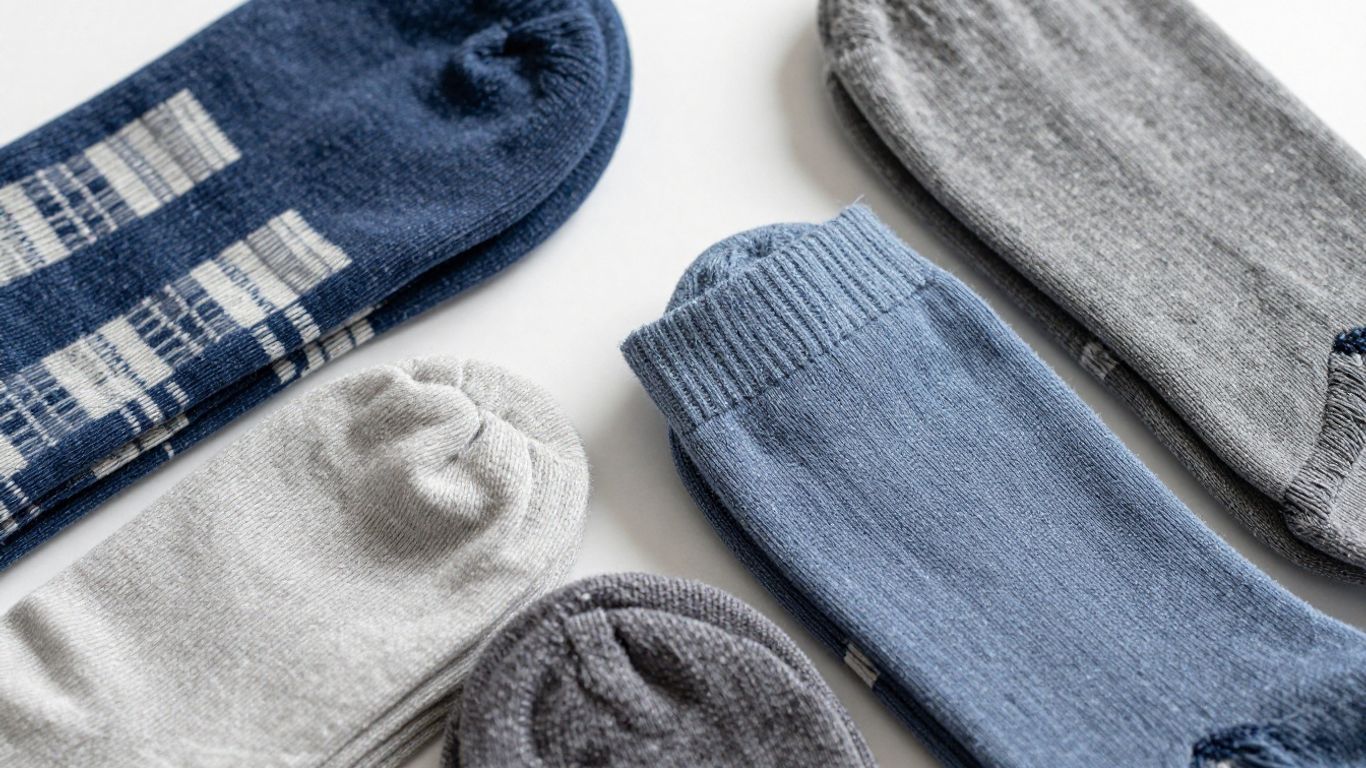
Quindi, probabilmente ti stai chiedendo perché non mettiamo semplicemente "100% Lana Merino" sull'etichetta e chiudiamo lì, giusto? Suona elegante, e onestamente, il Merino puro è davvero straordinario. È morbido, traspira alla grande ed è un mago nel controllo della temperatura. Ma ecco il punto: quando si tratta di calzini, il Merino puro ha un paio di talloni d'Achille.
Pensala così: non indosseresti una delicata sciarpa di seta per fare arrampicata, vero? È bellissima, ma non è fatta per quel tipo di stress. Allo stesso modo, la lana Merino al 100%, pur essendo fantastica per un maglione, può diventare un po'… beh, floscia e meno resistente quando sfrega costantemente contro la scarpa e si bagna di sudore. È qui che entra in gioco la magia della miscela.
Il vero segreto per un calzino perfetto è trovare quel punto ideale in cui i talenti naturali del Merino incontrano le esigenze pratiche dei tuoi piedi.
Parliamo di aggiungere un po’ di nylon per la robustezza – è come dare ai tuoi calzini un’armatura nelle zone di maggiore usura. Poi c’è lo spandex, quel pizzico di elasticità che fa tutta la differenza. Non si tratta di diluire il Merino; si tratta di sostenerlo. Questa miscela permette una superiore gestione dell’umidità, mantenendo i tuoi piedi più asciutti e felici, ed è ciò che dà al calzino quella vestibilità aderente che impedisce fastidiose vesciche. Senza questi aggiustamenti, finiresti con un calzino che potrebbe sembrare ottimo all’inizio ma perderebbe rapidamente la forma e la capacità di performare, specialmente durante lunghe escursioni o allenamenti intensi.
È un po’ come fare una torta. Non puoi semplicemente mettere un sacco di farina e aspettarti un capolavoro. Serve il giusto equilibrio di uova, zucchero e agenti lievitanti per ottenere la consistenza e il sapore perfetti. La lana Merino è l’ingrediente principale, ma gli altri componenti sono ciò che fa funzionare tutto alla perfezione.
Quindi, anche se l’idea del 100% Merino suona pura e semplice, la realtà è che una miscela ben studiata è ciò che fa davvero brillare un calzino. Si tratta di creare un calzino che non sia solo comodo, ma anche resistente, di supporto e pronto per qualsiasi avventura tu voglia affrontare.
Controlla la Percentuale
Quindi, stai guardando quei calzini Merino di qualità e ti chiedi quale sia la percentuale magica. Non è sempre una questione semplice di "più è meglio", anche con la lana. Pensalo come fare una torta: serve il giusto rapporto di ingredienti per la consistenza e la struttura perfette. Troppo di un ingrediente e finisci con un pasticcio friabile, o in questo caso, calzini che non fanno il loro dovere.
Il punto ideale per la lana Merino nei calzini di solito si aggira tra il 40% e il 70%. Questa gamma ti permette di godere dei benefici del Merino – la sua morbidezza, la regolazione della temperatura e la resistenza agli odori – senza sacrificare la durabilità e l’elasticità necessarie per piedi felici. Qualsiasi valore significativamente più basso, e potresti pagare un prezzo alto per un calzino che è per lo più altro. Troppo alto, e potresti sacrificare la longevità.
Ecco una rapida panoramica di ciò che potresti trovare:
- Alto Contenuto di Merino (60-70%): Spesso presente in calzini da trekking o da tutti i giorni dove comfort e calore sono fondamentali, ma con una certa durabilità incorporata.
- Merino a Gamma Media (40-60%): Una miscela comune per calzini da performance, che bilancia i benefici del Merino con la robustezza del nylon per un uso ad alta attività.
- Contenuto di Merino Basso (<40%): Qui bisogna essere un po' cauti. Anche se alcuni calzini possono usare questa percentuale, spesso significa che altre fibre fanno il lavoro principale e potresti non ottenere l'esperienza completa del Merino per cui stai pagando.
Ricorda, la percentuale non è solo un numero; è una promessa di prestazioni. Un calzino con il 70% di merino potrebbe sembrare fantastico all’inizio, ma se manca del nylon per gestire l’attrito, potrebbe consumarsi più velocemente di un calzino con il 50% di merino e una miscela più intelligente di altre fibre. Si tratta di trovare l’equilibrio giusto per l’avventura a cui il calzino è destinato.
Quando fai acquisti, non esitare a controllare l’etichetta. È come leggere gli ingredienti su una confezione di cibo – vuoi sapere in cosa stai investendo i tuoi soldi. Capire queste percentuali ti aiuta a fare una scelta consapevole, assicurando ai tuoi piedi il miglior trattamento possibile, chilometro dopo chilometro. Spesso puoi trovare calzini con un buon contenuto di lana merino progettati per attività specifiche.
Dove si colloca Hywell
Quindi, sei stato con noi in questo viaggio, imparando tutto sul perché i tuoi calzini preferiti in lana merino non sono solo, beh, lana. Abbiamo parlato della magia del merino, degli aggiunti astuti di nylon e spandex, e del perché andare al 100% lana a volte può essere una ricetta per un calzino triste e ristretto. Ora, dove si colloca Hywell, o qualsiasi marchio, in questo quadro in cui la miscela è tutto?
Pensalo come fare una torta. Potresti usare solo farina, ma non sarebbe molto una torta, giusto? Ti servono le uova per legare, lo zucchero per dolcezza, forse un po’ di burro per la ricchezza. I calzini sono un po’ la stessa cosa. Hywell, come altri produttori intelligenti di calzini, non mette ingredienti a caso. Seleziona con cura gli ingredienti – la lana merino per le sue proprietà straordinarie, il nylon per la durata e lo spandex per una vestibilità aderente – per creare il miglior calzino possibile per i tuoi piedi.
Si tratta di trovare il giusto equilibrio per offrirti i benefici dei calzini di lana senza gli svantaggi. L’obiettivo è quel punto ideale in cui ottieni il calore, la capacità di assorbire l’umidità e la resistenza agli odori del merino, combinati con la durata e l’elasticità necessarie per indossarli davvero. Quindi, la prossima volta che indossi un paio di calzini Hywell in lana merino, fai un piccolo cenno alla scienza dietro la miscela. I tuoi piedi ti ringrazieranno.
I calzini Hywell sono fatti per essere resistenti e comodi, perfetti per qualsiasi lavoro. Crediamo così tanto nella nostra qualità che offriamo una garanzia di 10 anni. Se ti servono calzini che possano tenere il passo con la tua giornata lavorativa, non cercare oltre. Dai un’occhiata alla nostra selezione e trova il paio perfetto per te su Hywell.com!
Allora, qual è la questione con la miscela di lana?
Bene, probabilmente hai capito che, sebbene la lana Merino al 100% sembri ottima – e lo è, per molte cose – non è sempre la migliore per i tuoi piedi. Pensala così: non indosseresti una sciarpa di seta elegante per fare arrampicata, giusto? La Merino è morbida e ottima, ma per la fatica che i tuoi piedi affrontano, un po' di nylon aggiunge una resistenza seria, e un tocco di spandex mantiene tutto aderente per evitare vesciche. Non è che la lana non sia abbastanza buona; è solo che a volte serve un sistema di supporto. Mescolando un po' di nylon e spandex, i produttori di calzini creano praticamente una super squadra per i tuoi piedi, assicurandosi che quei calzini possano affrontare chilometri e chilometri di avventure senza rompersi o scivolare giù dalla gamba. Quindi, la prossima volta che prendi un paio, non preoccuparti per la piccola percentuale – probabilmente c’è per un ottimo motivo, per prevenire le vesciche.
Domande frequenti
La lana Merino al 100% è davvero inadatta per i calzini?
Sebbene la lana Merino al 100% abbia qualità straordinarie come morbidezza e controllo della temperatura, da sola non è la scelta migliore per i calzini. Può consumarsi più rapidamente e potrebbe non aderire bene al piede, causando disagio o addirittura vesciche durante le attività.
Perché i produttori di calzini aggiungono altri materiali alla lana Merino?
I produttori di calzini mescolano altre fibre, come nylon e spandex, per rendere i calzini più resistenti, elastici e aderenti. Il nylon aggiunge durata, soprattutto nelle zone soggette a sfregamento, mentre lo spandex conferisce quella sensazione di aderenza che impedisce ai calzini di scivolare o raggrupparsi.
Qual è il ruolo del nylon nei calzini?
Pensa al nylon come al supereroe della durata dei tuoi calzini. È molto resistente e sopporta bene l'usura. Aggiungere nylon, specialmente nelle zone che sfregano molto come il tallone e la punta, aiuta i calzini a durare molto più a lungo, anche quando cammini per chilometri e chilometri.
In che modo lo spandex aiuta i miei calzini?
Lo spandex, noto anche come Lycra o elastan, è ciò che conferisce elasticità ai calzini. Assicura che il calzino si adatti bene al piede e alla caviglia senza essere troppo stretto. Questa vestibilità aderente è fondamentale per prevenire vesciche e mantenere i calzini comodamente al loro posto tutto il giorno.
Qual è quindi la miscela ideale per i calzini in lana Merino?
Non esiste un'unica miscela "perfetta", ma un buon equilibrio spesso include una alta percentuale di lana Merino per comfort e prestazioni, con l'aggiunta di nylon per la resistenza e un po' di spandex per una vestibilità ottimale. Spesso vedrai miscele composte principalmente da lana Merino, con piccole quantità di nylon e spandex.
Come posso capire se i miei calzini in lana Merino sono di buona qualità?
Controlla sempre l'etichetta! Cerca una alta percentuale di lana Merino, ma verifica anche se include nylon e spandex. I marchi che puntano sulla qualità elencano chiaramente questi materiali e spesso forniscono dettagli sul tipo di lana Merino utilizzata e su come sono costruiti i calzini.