


Risposta breve
Quindi, i calzini di lana aiutano con il piede d'atleta? Sì, possono sicuramente fare la differenza. La lana, specialmente quella merino, è ottima nella gestione dell'umidità. Questo è fondamentale perché il piede d'atleta prospera in ambienti umidi, come quando hai piedi sudati negli stivali.
Le fibre di lana assorbono l'umidità dalla tua pelle e poi la rilasciano nell'aria, aiutando a mantenere i piedi più asciutti. Questo è molto importante rispetto ai calzini di cotone, che tendono a trattenere l'umidità e a rimanere bagnati contro la pelle. Inoltre, la lana ha proprietà naturali che possono aiutare a combattere il fungo stesso.
Pensala così:
- Assorbimento dell'umidità: La lana allontana il sudore dalla pelle.
- Traspirabilità: Permette all'aria di circolare, aiutando ad asciugare.
- Proprietà antimicrobiche: La lana può inibire naturalmente la crescita di batteri e funghi che causano odori.
Anche se i calzini di lana non sono una cura miracolosa da soli, creano un ambiente molto meno favorevole alla crescita e alla diffusione del fungo. Sono una parte solida di una strategia per mantenere i piedi sani e asciutti, specialmente se sei soggetto a piedi sudati negli stivali.
L'obiettivo principale è mantenere i piedi il più asciutti possibile. Il fungo del piede d'atleta ama l'umidità, quindi tutto ciò che aiuta a allontanare il sudore e permette ai piedi di respirare è un passo nella giusta direzione. I calzini di lana eccellono in questo rispetto a molti altri materiali.
Cosa lo causa
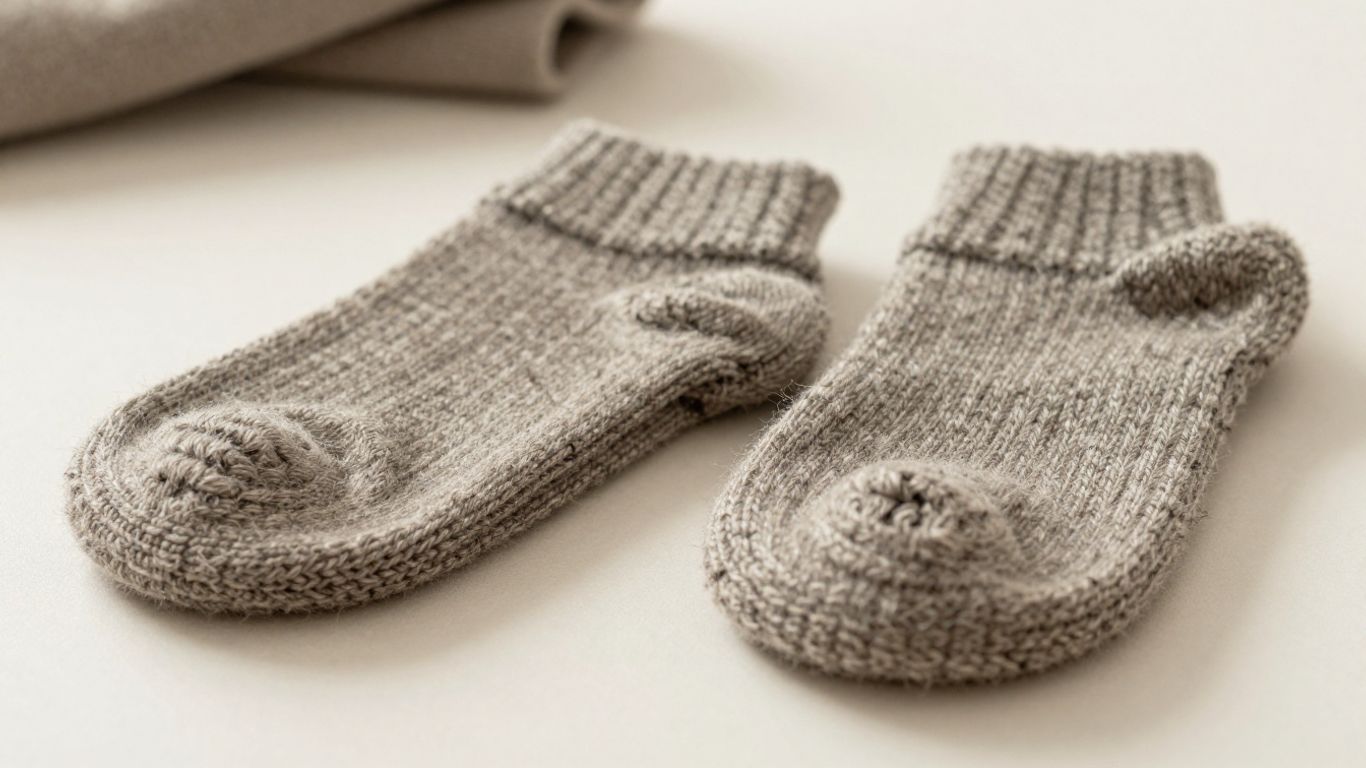
Il piede d'atleta, quella condizione della pelle pruriginosa, bruciante e a volte desquamante, è causata da un fungo. Non è schizzinoso su chi infetta; non devi essere un atleta per prenderlo. Il fungo prospera in ambienti caldi e umidi, motivo per cui luoghi come spogliatoi, docce pubbliche e persino le tue scarpe sudate possono essere terreni fertili.
Pensaci: i tuoi piedi sono spesso intrappolati in scarpe e calzini tutto il giorno. Questo crea una piccola sauna perfetta per i funghi. Se i tuoi piedi sudano molto o se non li asciughi accuratamente dopo la doccia, stai dando al fungo un ottimo posto dove crescere. Può diffondersi facilmente da persona a persona attraverso superfici contaminate o condividendo oggetti come asciugamani o calzini.
Ecco una breve panoramica su come potresti prenderla:
- Camminare a piedi nudi nelle docce pubbliche, negli spogliatoi o sui pavimenti delle palestre.
- Indossare scarpe che non lasciano respirare i piedi, specialmente se si bagnano.
- Condividere asciugamani, calzini o scarpe con qualcuno che ha l'infezione.
- Non asciugare completamente i piedi dopo averli lavati.
È un errore comune pensare che il piede d'atleta sia segno di scarsa igiene. In realtà, anche se lavi i piedi ogni giorno, puoi comunque prenderlo se le condizioni sono favorevoli alla crescita del fungo. La chiave è mantenere i piedi asciutti, non solo puliti.
Alcuni materiali possono addirittura peggiorare il problema. I calzini di cotone, per esempio, tendono a trattenere l'umidità contro la pelle. Per questo è importante scegliere bene i calzini e anche [lavare correttamente i calzini di lana](https://www.hywellstore.com/blogs/socks-knowledge/socks-ultimate-guide) per garantirne l'efficacia e l'igiene.
Come aiuta la lana
I calzini di lana sono una svolta per mantenere i piedi asciutti e comodi, cosa molto importante per prevenire il piede d'atleta. A differenza del cotone, che assorbe il sudore e lo trattiene contro la pelle, le fibre di lana tirano via l'umidità dai piedi. Questo mantiene la pelle asciutta, rendendo l'ambiente molto meno favorevole alla crescita dei funghi che causano il piede d'atleta.
Pensala così:
- Assorbimento dell'umidità: La struttura della lana assorbe attivamente il sudore dalla pelle nelle fibre del calzino. Questo è fondamentale perché la pelle umida è un terreno fertile per i problemi.
- Traspirabilità: La lana permette all'aria di circolare, aiutando l'umidità a evaporare. Questo significa che i tuoi piedi non avranno quella sensazione di umidità, anche quando sei attivo.
- Regolazione della temperatura: La lana funziona come un termostato naturale. Tiene i piedi caldi quando fa freddo e li aiuta a rimanere freschi quando fa caldo, prevenendo gli sbalzi di temperatura estremi che possono rendere i piedi scomodi e più soggetti a problemi.
Oltre all'umidità, la lana ha altri assi nella manica. È naturalmente antimicrobica, il che significa che combatte i batteri che causano cattivi odori. Questo mantiene i tuoi piedi più freschi più a lungo, un bel vantaggio. Inoltre, l'imbottitura naturale delle fibre di lana può aiutare a ridurre l'attrito e i punti di pressione, prevenendo potenzialmente le vesciche. Quando cerchi calzini che possano sopportare molto, considera opzioni progettate per le prestazioni atletiche, come quelli di Hywell socks.
La scienza dietro l’efficacia della lana è piuttosto semplice. Gestendo l’umidità e mantenendo una temperatura stabile, i calzini di lana creano un ambiente meno favorevole alla crescita fungina. Questo semplice cambiamento nella scelta dei calzini può fare una differenza notevole nella salute dei piedi.
E non dimentichiamo la durabilità. I calzini di lana di buona qualità mantengono la forma e il supporto nel tempo, a differenza di alcuni sintetici che possono allungarsi e perdere efficacia dopo poche lavate. Questo significa che ottieni comfort e supporto costanti, giorno dopo giorno. Per attività in cui hai bisogno di un supporto e protezione affidabili per i piedi, come indossare stivali da cowboy, la lana è una scelta solida.
Cosa i calzini non possono fare
Anche se i calzini giusti sono di grande aiuto, non sono una soluzione magica per il piede d’atleta. Considerali come la tua prima linea di difesa, non come un esercito completo. Anche i migliori calzini traspiranti per il piede d’atleta non possono fermare completamente i funghi se le altre condizioni favoriscono la loro crescita. Per esempio, se indossi costantemente scarpe che non respirano o se non asciughi bene i piedi dopo la doccia, crei un ambiente umido che i funghi adorano, indipendentemente dai calzini che usi.
I calzini da soli non curano un’infezione già esistente. Aiutano a creare un ambiente in cui i funghi fanno fatica a sopravvivere, ma non uccidono i funghi stessi. Per questo serviranno comunque trattamenti adeguati. Ricorda anche che, mentre la lana assorbe il vapore acqueo, non è un sostituto di una buona igiene.
Ecco cosa devi tenere a mente:
- Non sostituiscono una corretta igiene del piede: Lavare e asciugare accuratamente i piedi ogni giorno, specialmente tra le dita, è imprescindibile. I funghi prosperano nell’umidità.
- Non possono risolvere scarpe poco ventilate: Se le tue scarpe sono vecchie, strette o fatte di materiali non traspiranti, intrappoleranno l’umidità indipendentemente dai calzini. Alternare le calzature è fondamentale.
- Non fermeranno i funghi se sei costantemente in ambienti umidi: Indossare calzini per piedi sudati è una cosa, ma se passi ore in condizioni di umidità senza cambiarli, anche i migliori calzini per il piede d’atleta alla fine si satureranno.
Scegliere i calzini giusti, come i calzini in lana Merino per la prevenzione del piede d’atleta, è una mossa intelligente. Aiutano a mantenere i piedi asciutti, il che è un grande vantaggio contro i funghi. Ma funzionano al meglio se li combini con altre buone abitudini. Non aspettarti che i calzini facciano tutto il lavoro da soli.
Quindi, mentre cerchi i migliori calzini per il piede d'atleta, ricorda che mantenere i piedi asciutti con i calzini è solo un pezzo del puzzle. Che tu stia considerando calzini di lana per il piede d'atleta o altre opzioni traspiranti, sono strumenti per aiutarti a gestire l'umidità, non una cura miracolosa. Anche calzini da lavoro in lana Merino, progettati per condizioni difficili, hanno bisogno del tuo aiuto per mantenere i piedi sani.
Costruisci una routine per mantenere i piedi asciutti
Il piede d'atleta prospera in ambienti caldi e umidi. Quindi, per tenerlo lontano o per aiutare la guarigione se ce l'hai già, il tuo obiettivo principale è mantenere i piedi il più asciutti possibile. Questo significa più che indossare un paio di calzini; si tratta di costruire un sistema completo.
Prima di tutto, parliamo dei tuoi piedi. Lanciali ogni giorno con sapone e acqua, e prenditi il tempo necessario per asciugarli bene. Asciuga bene tra le dita – è la zona preferita dai funghi. Un piede pulito e asciutto è un ambiente ostile per il piede d'atleta.
Poi, i calzini. Devi cambiarli spesso. Se i tuoi piedi sudano molto durante il giorno, non restare con calzini umidi. Cambiali con un paio fresco e asciutto. Questo è particolarmente importante se sei attivo o indossi scarpe chiuse per lunghi periodi. Avere un paio extra a portata di mano è una buona idea.
Anche le scarpe giocano un ruolo importante. Dagli una pausa. Non indossare la stessa coppia per due giorni consecutivi. Lasciale arieggiare completamente, idealmente per almeno 24 ore. Se sono ancora umide, puoi togliere le solette o riempirle di giornali per accelerare l'asciugatura. Inoltre, cerca di evitare scarpe fatte di materiali non traspiranti come il vinile per lunghi periodi.
Mantenere i piedi asciutti è il modo più efficace per prevenire che il piede d'atleta si insedi o ritorni. È un principio semplice, ma richiede impegno costante.
Considera di usare una polvere antifungina o anche semplice talco sui piedi e all'interno dei calzini. Questo aiuta ad assorbire l'umidità in eccesso che potrebbe accumularsi. Se tendi ad avere i piedi sudati, questo passaggio può fare una vera differenza nel mantenere tutto asciutto durante la giornata. Per chi ha già il piede d'atleta, ricorda che i calzini da soli non lo curano, ma sono una parte fondamentale per supportare il trattamento e prevenire la reinfezione. Usare i calzini giusti, come quelli realizzati con materiali traspiranti, è un elemento chiave di questa routine per mantenere i piedi asciutti.
Scegliere il tuo paio
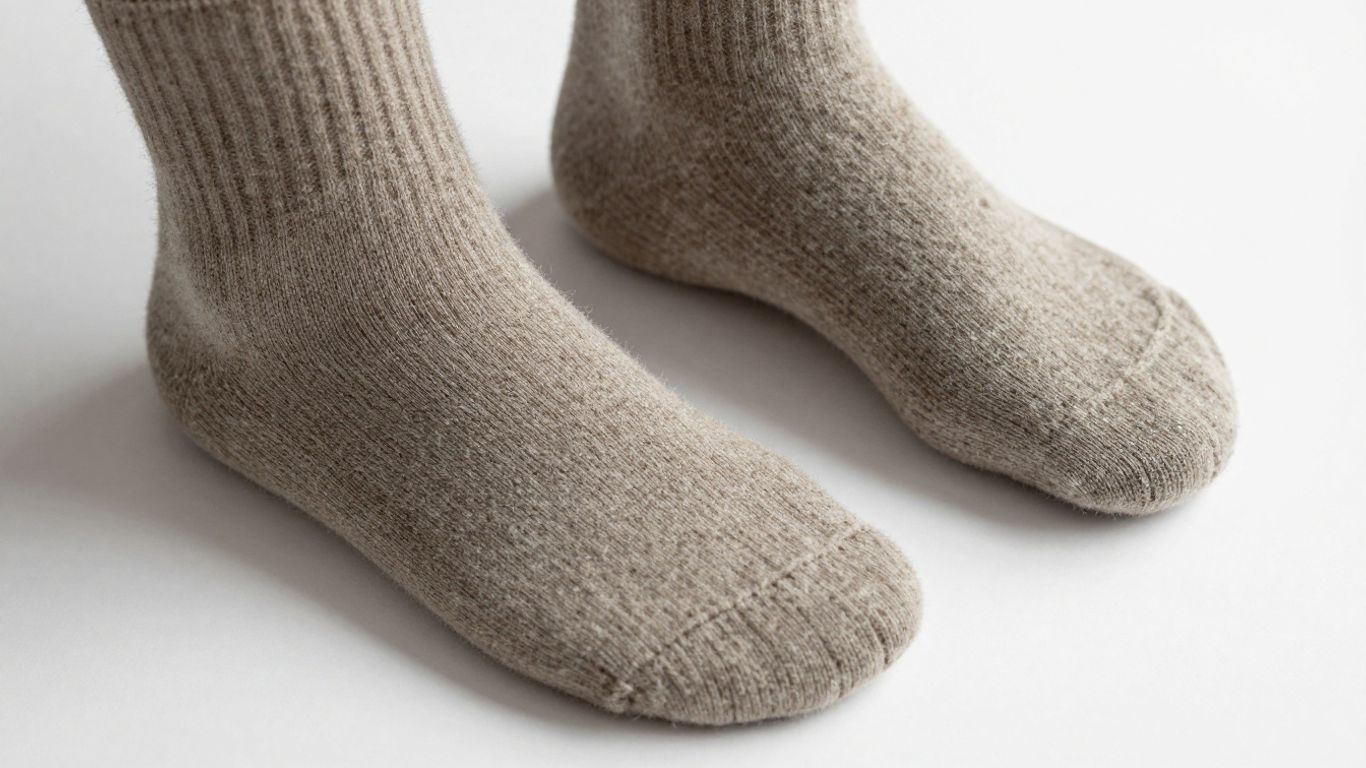
Quando cerchi calzini per aiutare a gestire il piede d’atleta, pensa a ciò di cui i tuoi piedi hanno realmente bisogno. Non si tratta solo di indossare un paio qualsiasi. Vuoi calzini che aiutino attivamente a mantenere i piedi asciutti e comodi.
I migliori calzini per questo scopo sono tipicamente leggeri, traspiranti e realizzati con materiali che gestiscono bene l’umidità. Questo significa guardare oltre il semplice cotone. La lana merino è una delle migliori opzioni perché assorbe naturalmente l’umidità dalla pelle e la trattiene, mantenendo i piedi più asciutti. Inoltre, ha proprietà naturali che aiutano a combattere i batteri che causano odori.
Ecco cosa cercare:
- Materiale: La lana merino è ottima, ma anche le miscele di lana con fibre sintetiche possono funzionare bene. Queste combinazioni spesso offrono un buon assorbimento dell’umidità e tempi di asciugatura rapidi. Evita il cotone 100%, perché trattiene l’umidità.
- Vestibilità e Design: I calzini che permettono alle dita di allargarsi naturalmente, come i calzini con dita separate, possono essere un vero vantaggio. Creano una superficie maggiore per ridurre l’umidità tra le dita, dove i funghi amano nascondersi. Una buona vestibilità significa anche niente accumuli o sfregamenti, che possono causare vesciche.
- Traspirabilità: Cerca calzini con caratteristiche come pannelli in mesh che permettono all’aria di circolare. Questo aiuta il sudore a evaporare più rapidamente.
Pensa a quanto ti muoverai. Se sei attivo o tendi a sudare molto, potresti aver bisogno di calzini progettati specificamente per lo sport, che offrano supporto extra e ammortizzazione dove serve. Per esempio, alcuni calzini da corsa sono costruiti per supportare il tendine d’Achille e prevenire irritazioni [7f80].
Non dimenticare che anche i migliori calzini non possono fare tutto il lavoro. Fanno parte di un quadro più ampio che include mantenere i piedi puliti, asciutti e ben arieggiati il più possibile. I tuoi calzini sono uno strumento, non una cura magica.
Quando fai shopping, controlla la costruzione del calzino. Un numero elevato di punti e caratteristiche come i pannelli di ventilazione possono fare una grande differenza nelle prestazioni del calzino. In definitiva, vuoi un calzino che aiuti i tuoi piedi a rimanere asciutti e comodi per tutto il giorno, qualunque cosa tu stia facendo [3b2f].
Trovare il paio di calzini perfetto può fare una grande differenza nella tua giornata. Che tu abbia bisogno di qualcosa di resistente per il lavoro o comodo per tutti i giorni, abbiamo quello che fa per te. Esplora la nostra collezione e scopri calzini che si sentono fantastici e durano a lungo. Visita il nostro sito oggi per trovare il tuo abbinamento ideale!
Allora, qual è il verdetto sui calzini di lana e il piede d'atleta?
Guarda, quando si tratta di tenere lontano il piede d'atleta, i tuoi calzini sono molto importanti. Anche se i calzini di lana, specialmente quelli di lana merino, sono spesso la scelta migliore perché fanno un ottimo lavoro nell'allontanare l'umidità e permettere ai piedi di respirare, non sono una soluzione magica da soli. Aiutano a creare un ambiente in cui il fungo che causa il piede d'atleta fatica a crescere. Ma ricorda, i calzini sono solo un pezzo del puzzle. Devi comunque mantenere i piedi puliti, asciugarli bene e far arieggiare le scarpe. Se stai affrontando il piede d'atleta in questo momento, i calzini possono aiutare a gestirlo, ma probabilmente avrai bisogno anche di un trattamento. Quindi sì, dei buoni calzini possono fare la differenza, ma considerali parte di un piano più ampio per piedi felici e sani.
Domande Frequenti
I calzini di lana possono davvero aiutare a fermare il piede d'atleta?
I calzini di lana possono sicuramente aiutare! Sono ottimi per mantenere i piedi asciutti perché allontanano il sudore dalla pelle. I funghi, come quelli che causano il piede d'atleta, amano i luoghi umidi e caldi. Mantenendo i piedi più asciutti, i calzini di lana rendono più difficile la crescita di questi funghi e i problemi che ne derivano. Considerali come un buon primo passo per mantenere i piedi sani.
Cosa rende i calzini di lana migliori di quelli di cotone per il piede d'atleta?
I calzini di cotone tendono ad assorbire il sudore e a rimanere bagnati, lasciando i piedi in un ambiente umido dove i funghi possono proliferare. La lana, specialmente la lana merino, è diversa. Può assorbire molta umidità senza sembrare bagnata al tatto e aiuta a far evaporare quell'umidità. Inoltre, la lana ha proprietà naturali che la rendono meno favorevole ai funghi e ai batteri, il che può anche aiutare a ridurre l'odore dei piedi.
Cosa dovrei cercare quando compro calzini per prevenire il piede d'atleta?
Quando scegli i calzini, la cosa più importante è trovare quelli che mantengono i piedi asciutti. Cerca materiali che siano "traspiranti," cioè che allontanano il sudore dalla pelle. La lana merino e il bambù sono ottime scelte naturali. Anche materiali sintetici come il poliestere o il Coolmax sono validi. Vuoi anche calzini che siano traspiranti, non troppo stretti e che calzino bene per evitare sfregamenti. A volte sono disponibili calzini con trattamenti antifungini speciali, ma l'obiettivo principale è mantenerli asciutti.