


Vous vous demandez combien de temps durent vraiment les chaussettes en laine mérinos ? C’est une question légitime, surtout au vu du prix. Ce ne sont pas les chaussettes les moins chères du marché. Mais l’essentiel ne réside pas seulement dans leur durée de vie, mais dans ce que vous obtenez pour votre argent. Nous allons vous expliquer combien de temps durent les chaussettes en laine mérinos, ce qui les rend différentes, et si elles valent vraiment l’investissement.
Points clés à retenir
- Des chaussettes en laine mérinos de qualité, bien entretenues, peuvent durer de 2 à 5 ans avec un usage régulier, grâce à la nature durable des fibres de laine.
- Les propriétés naturelles de la laine mérinos, comme la résistance aux odeurs et l’évacuation de l’humidité, permettent souvent de les porter plusieurs jours entre les lavages, réduisant ainsi la fréquence de lavage et économisant eau, énergie et détergent.
- Bien que le coût initial des chaussettes en laine mérinos soit plus élevé que celui du coton, leur durée de vie prolongée et leurs avantages en termes de performance les rendent souvent plus rentables à long terme, calculé par utilisation.
- Le niveau d’activité et la composition des chaussettes influencent fortement leur durée de vie ; les chaussettes utilisées pour des activités intenses ou contenant un pourcentage élevé de fibres synthétiques peuvent s’user plus rapidement.
- Un entretien approprié, notamment éviter le sèche-linge et les produits chimiques agressifs, est crucial pour maximiser la longévité de vos chaussettes en laine mérinos.
Comprendre la durée de vie des chaussettes en laine mérinos
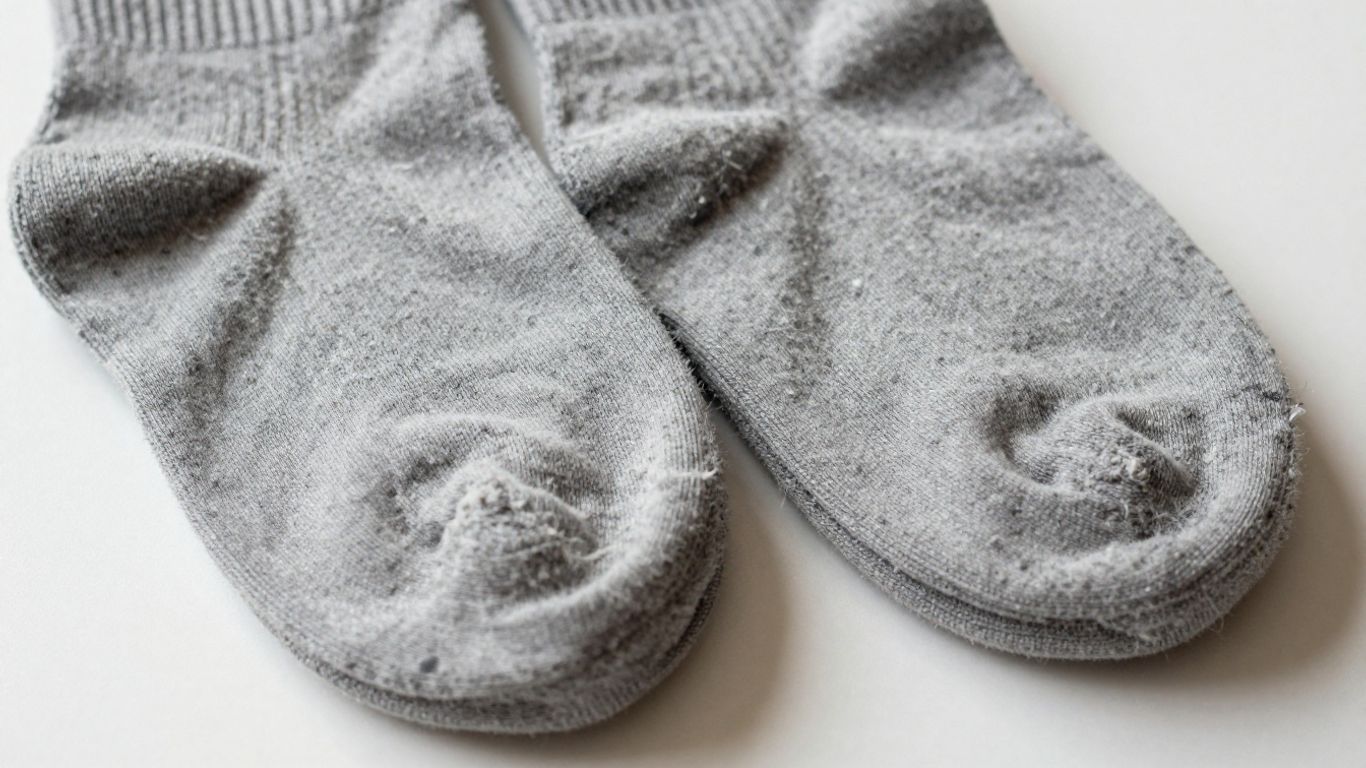
Alors, combien de temps ces chaussettes en laine mérinos tiennent-elles réellement ? C’est une question légitime, surtout quand on compare leur coût initial plus élevé à celui des lots basiques en coton. La réponse courte est : assez longtemps, mais ce n’est pas magique. Plusieurs facteurs influencent le nombre de kilomètres que vous pourrez parcourir avec elles.
La science derrière la durabilité du mérinos
La laine mérinos n'est pas seulement douce et chaude ; elle est étonnamment résistante. Les fibres individuelles sont naturellement frisées et élastiques. Cela signifie qu'elles peuvent se plier de nombreuses fois sans se casser. Pensez-y comme un ressort comparé à une brindille fragile. Alors que les fibres de coton peuvent se rompre après quelques milliers de flexions, le mérinos peut en supporter plus de 20 000. Cette résistance intrinsèque fait que les chaussettes en mérinos conservent leur forme et leur amorti beaucoup plus longtemps que celles fabriquées avec d'autres matériaux. Elles résistent à l'usure dans les zones clés, comme le talon et les orteils, où la plupart des chaussettes s'abîment prématurément. Cette résilience explique en grande partie pourquoi les chaussettes en laine mérinos sont durables.
Comparaison de la longévité du mérinos et du coton
Soyons honnêtes, les chaussettes en coton sont les coupables habituels pour les trous. Elles absorbent l’humidité et restent mouillées, ce qui dégrade les fibres plus rapidement et les rend vulnérables à l’usure. Vous pouvez espérer quelques mois, peut-être six si vous avez de la chance et que vous ne les portez pas beaucoup, avant qu’elles ne commencent à s’amincir ou à se trouer. Le mérinos, en revanche, gère l’humidité différemment. Il l’évacue, gardant les fibres plus sèches et plus solides plus longtemps. Cette différence est énorme. Alors qu’une paire de chaussettes en coton bon marché peut sembler une bonne affaire, elles doivent souvent être remplacées beaucoup plus fréquemment. Une paire de chaussettes en laine mérinos de qualité peut raisonnablement durer de 2 à 5 ans avec un usage régulier.
Années d’utilisation : attentes réalistes
Quand on parle de durée de vie, on parle généralement d’un usage régulier. Cela signifie les porter quelques fois par semaine, les laver périodiquement et faire des activités normales. Si vous êtes un randonneur sérieux qui parcourt des centaines de kilomètres avec une seule paire en un an, ou si vous les portez seulement de temps en temps à la maison, votre expérience sera différente. Mais pour la personne moyenne qui les porte au quotidien, pour les trajets et des activités récréatives légères, espérer qu’elles durent plusieurs années est un objectif raisonnable. Il n’est pas rare que des paires tiennent encore bien après trois voire quatre ans.
L’essentiel est que la structure naturelle et les propriétés de la laine mérinos la rendent intrinsèquement plus résistante aux contraintes qui causent généralement une usure rapide des chaussettes. Cela signifie moins de remplacements et un meilleur rapport qualité-prix sur le long terme.
Voici une idée approximative de ce à quoi vous pouvez vous attendre :
- Usage léger (à la maison, courses occasionnelles) : 4-6 ans et plus
- Usage modéré (port quotidien, trajets, promenades légères) : 2-4 ans
- Usage intensif (randonnée fréquente, activités exigeantes) : 1-2 ans (tout en restant plus performantes que le coton)
Bien sûr, la façon dont vous les traitez compte beaucoup, ce dont nous parlerons ensuite. Mais la longévité du mérinos est avant tout inscrite dans la fibre elle-même. Vous pouvez trouver des instructions d’entretien qui aident à prolonger encore leur durée de vie.
Facteurs influençant la durée de vie des chaussettes en laine mérinos
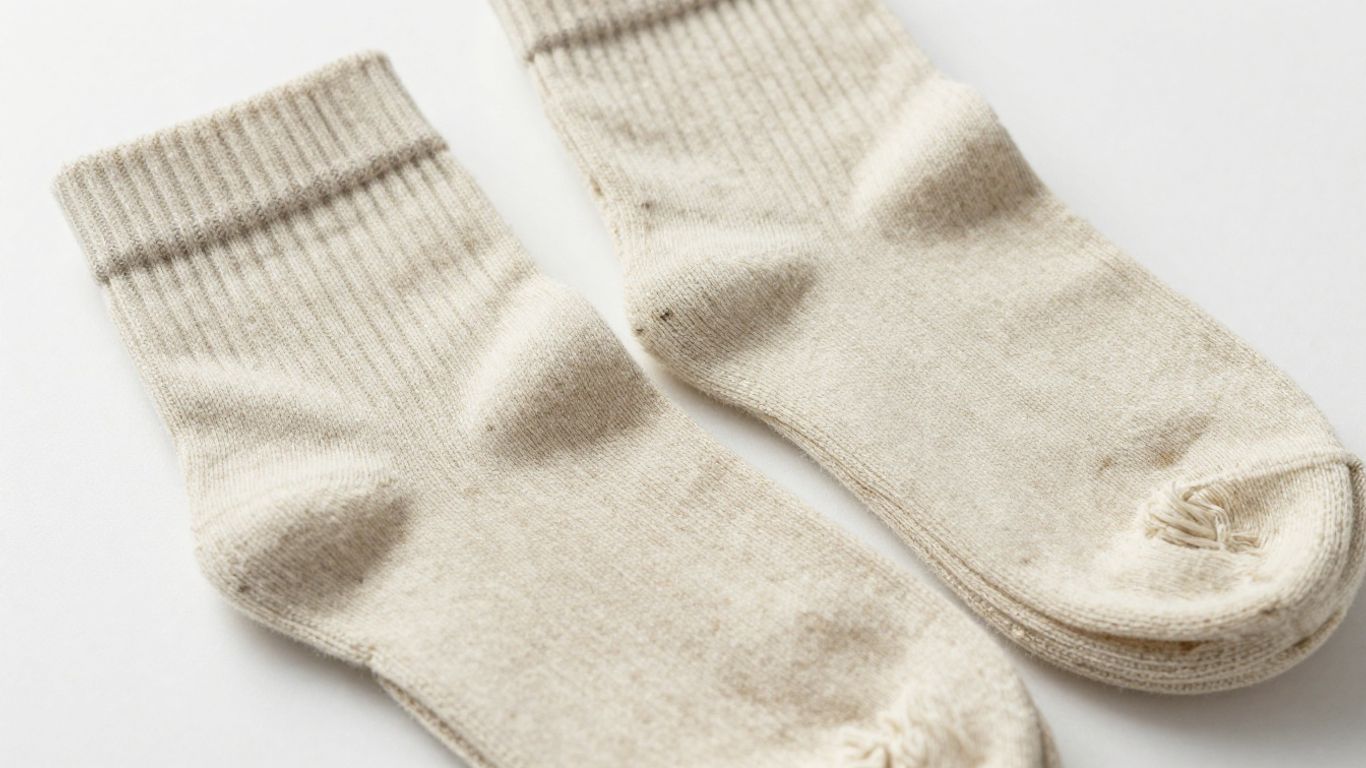
Alors, vous avez vos chaussettes en laine mérinos de luxe, et vous vous demandez combien de temps elles vont vraiment durer. Ce n’est pas seulement une question de laine en elle-même. Plusieurs facteurs peuvent accélérer ou ralentir leur parcours vers le paradis des chaussettes. Pensez-y comme ça : vous ne traiteriez pas une voiture de course de la même façon qu’un monospace, n’est-ce pas ? Vos chaussettes, c’est un peu pareil.
Niveau d’activité et stress sur les chaussettes
C’est un point important. Si vos chaussettes sont constamment utilisées pour des randonnées épiques, des courses sur sentier, ou même de longues journées debout dans un travail où vous bougez sans arrêt, elles vont s’user rapidement. Le frottement constant à l’intérieur de vos chaussures, la flexion et l’étirement à chaque pas, tout cela s’accumule. Les chaussettes utilisées pour se détendre à la maison dureront évidemment beaucoup plus longtemps que celles qui affrontent la montagne.
Voici une idée approximative :
- Usage léger (détente, travail de bureau) : Comptez 3 à 5 ans et plus.
- Usage modéré (port quotidien, marche, randonnée légère) : Comptez 1 à 3 ans.
- Usage intensif (randonnée intense, course, métiers exigeants) : Comptez de 6 mois à 1,5 an.
Plus vous soumettez vos chaussettes à du stress, plus leur durée de vie sera courte. C’est assez simple, en fait.
L’importance des mélanges dans les chaussettes
Toutes les chaussettes en laine mérinos ne sont pas 100 % mérinos. Beaucoup sont mélangées avec d'autres fibres comme le nylon ou le spandex (élasthanne). Pourquoi ? Eh bien, le nylon apporte une dose sérieuse de durabilité. C’est une fibre résistante qui supporte beaucoup d’abrasion, ce qui est idéal pour les talons et les orteils, les zones les plus sollicitées. Le spandex donne de l’élasticité à la chaussette et l’aide à garder sa forme, pour qu’elle ne devienne pas toute molle après quelques utilisations. Alors que le mérinos pur est incroyable pour le confort et la régulation de la température, un mélange signifie souvent une chaussette plus durable, surtout pour les activités à fort impact. Vous échangez un peu de la douceur pure de la laine contre un gain significatif en résistance. Vérifiez l’étiquette – un petit pourcentage de nylon (comme 10-20 %) est généralement un bon signe pour la longévité.
Rotation et récupération entre les utilisations
C'est un point que beaucoup de gens négligent. Si vous portez la même paire de chaussettes tous les jours sans leur laisser de pause, vous vous exposez à des problèmes. La laine, même la mérinos, a besoin de temps pour se régénérer. Quand vous portez des chaussettes, elles absorbent l'humidité et s'étirent. Les laisser reposer entre les utilisations permet aux fibres de sécher complètement et de retrouver leur forme naturelle. Cela peut signifier avoir plusieurs paires de chaussettes mérinos à faire tourner. C’est comme laisser vos muscles récupérer après un entraînement ; cela aide les fibres à rester solides et prévient l'usure prématurée ou la dégradation. Réfléchissez-y : si vous portez une paire deux jours d'affilée, elles subissent constamment du stress. Donnez-leur un jour de repos, et elles peuvent se régénérer. Cette simple habitude peut vraiment prolonger la durée de vie de vos chaussettes, les faisant durer bien plus longtemps que si vous utilisiez toujours la même paire. Cela aide aussi à contrôler les odeurs, car la laine a le temps de bien s’aérer.
Laisser vos chaussettes en laine mérinos se reposer un jour ou deux entre les utilisations est l’une des façons les plus simples et efficaces de garantir qu’elles durent des années. Cela permet aux fibres naturelles de sécher complètement et de retrouver leur structure, évitant l’usure causée par un stress et une humidité constants.
Prolonger la vie de vos chaussettes en laine mérinos
Vous avez investi dans des chaussettes en laine mérinos de qualité, et vous voulez qu'elles durent longtemps. C’est une bonne idée ! Prendre un peu plus soin d’elles peut faire une énorme différence sur leur durée de vie. Ce n’est pas compliqué, honnêtement. Pensez-y comme ça : vous ne mettriez pas un pull de qualité avec vos jeans et ne le passeriez pas à haute température, n’est-ce pas ? C’est la même chose ici.
Lavage malin : eau froide et cycles délicats
Quand il est temps de laver vos chaussettes en mérinos, oubliez l'eau chaude. Sérieusement, l'eau chaude est l'ennemie de la laine. Elle peut faire rétrécir les fibres et les feutrer, transformant vos chaussettes confortables en quelque chose de rigide et beaucoup trop petit. Optez pour de l'eau froide ou tiède. Essayez aussi d'utiliser un cycle délicat sur votre machine à laver, ou même un programme spécifique laine si vous en avez un. Et pour le savon ? Un détergent doux est préférable. Évitez tout ce qui contient de l'eau de Javel, c'est la garantie d'un problème. Les adoucissants sont aussi à proscrire ; ils enrobent les fibres de laine et perturbent leur capacité naturelle à gérer l'humidité. Vous payez pour cette performance, alors ne la gâchez pas.
- Utilisez de l'eau froide ou tiède.
- Choisissez un cycle délicat ou laine.
- Privilégiez un détergent doux.
- Évitez l'eau de Javel et l'adoucissant.
La fin du sèche-linge : le séchage à l'air libre est essentiel
C'est probablement la partie la plus importante, et c'est là que beaucoup de gens se trompent. Ne mettez jamais, au grand jamais, vos chaussettes en laine mérinos dans le sèche-linge. La chaleur et le tambour sont très agressifs pour la laine. Elles vont rétrécir, perdre leur forme, et les fibres peuvent être endommagées de façon irréversible. C'est un aller simple vers la destruction des chaussettes. À la place, après les avoir sorties de la machine, reformez-les délicatement. Ensuite, étalez-les à plat pour les faire sécher. Vous pouvez utiliser un étendoir ou simplement une serviette propre. Évitez la lumière directe du soleil et toute source de chaleur comme les radiateurs. La plupart des paires seront sèches au matin, prêtes pour leur prochaine aventure. En cas d'urgence, vous pouvez les placer près d’un radiateur, mais gardez une bonne distance – la chaleur directe reste néfaste.
Éviter les produits chimiques agressifs et les assouplissants
Nous en avons un peu parlé dans la section lavage, mais cela vaut la peine d'être répété. Les produits chimiques agressifs et les assouplissants ne sont pas les amis de vos chaussettes mérinos. L'eau de Javel dégrade les fibres de laine avec le temps, les rendant fragiles et susceptibles de se déchirer. Les assouplissants, bien qu'ils rendent d'autres vêtements agréables, enrobent en fait la laine mérinos. Ce revêtement interfère avec les propriétés naturelles de la laine, comme sa capacité à évacuer l'humidité et à respirer. Vous payez essentiellement pour des chaussettes haute performance, puis vous ruinez cette performance avec des produits chimiques collants. C'est comme acheter une voiture de sport et la remplir d'essence bon marché de mauvaise qualité. Contentez-vous de détergents doux et laissez la laine faire son travail. Elle est conçue pour être naturellement douce et résistante aux odeurs, elle n'a donc pas besoin de ces additifs supplémentaires. Pour en savoir plus sur l'entretien de vos chaussettes, consultez comment entretenir les chaussettes en laine.
Un entretien approprié fait la différence entre des chaussettes en laine mérinos qui durent une saison et celles qui peuvent durer des années. Il s'agit surtout d'éviter la chaleur et les traitements agressifs. Traitez-les avec douceur, et elles garderont vos pieds heureux longtemps.
Le vrai coût : chaussettes en laine mérinos vs alternatives
D'accord, parlons du sujet qui fâche : le prix. Les chaussettes en laine mérinos ont souvent un prix plus élevé que, par exemple, un paquet de chaussettes en coton. Vous pouvez trouver une paire de chaussettes mérinos correctes entre 20 et 30 $, tandis qu'un lot de plusieurs paires en coton coûte moins cher. Il est facile de comprendre pourquoi certains hésitent.
Mais c'est ici que nous devons changer notre façon de penser, en passant de l'achat initial à la valeur réelle dans le temps. Tout est une question de coût par utilisation.
Calcul du coût par utilisation
Pensez-y ainsi : si une paire de chaussettes en laine mérinos à 25 $ vous dure 200 utilisations, cela revient à environ 0,125 $ par utilisation. Comparez cela à un paquet de chaussettes en coton à 10 $ (soit 2,50 $ la paire si vous les achetez à l'unité) qui ne dure que 20 utilisations avant de se trouer ou de perdre sa forme. Cela fait aussi 0,125 $ par utilisation. Vous voyez ? Cela peut s'équilibrer, voire la laine mérinos peut être plus avantageuse.
Voici un aperçu rapide :
| Type de chaussette | Coût initial (par paire) | Durée de vie estimée (nombre d'utilisations) | Coût par utilisation |
|---|---|---|---|
| Coton | $5 | 30 | $0.17 |
| Laine mérinos | $25 | 200 | $0.13 |
| Mélange synthétique | $15 | 100 | $0.15 |
L'investissement initial pour des chaussettes en laine mérinos peut être plus élevé, mais leur durée de vie prolongée les rend souvent plus économiques sur le long terme.
Investissement initial vs économies à long terme
Lorsque vous achetez des chaussettes en coton, c'est souvent parce qu'elles sont bon marché et facilement disponibles. Elles sont agréables pendant quelques heures, mais ne tiennent pas bien face à une activité intense ou à des lavages répétés. Vous finissez par en acheter plus, plus souvent. La laine mérinos, en revanche, est conçue pour durer. Sa résilience naturelle lui permet de supporter plus de stress, plus de lavages, tout en continuant à bien fonctionner. Cela signifie moins de déplacements en magasin et moins d'argent dépensé au fil des années. De plus, moins de lavages signifient moins d'eau et d'énergie consommées, ce qui est un joli bonus pour votre porte-monnaie et pour la planète.
La véritable valeur des chaussettes en laine mérinos ne réside pas seulement dans leur prix initial, mais dans leur capacité à résister à un usage répété et aux cycles de lavage, offrant une solution plus durable et économique sur le long terme comparée aux alternatives moins résistantes.
La valeur de la performance et du confort
Au-delà de la durabilité et du coût, il y a l'aspect performance. Les chaussettes en laine mérinos excellent dans la gestion de l'humidité et la régulation de la température, gardant vos pieds plus secs et plus confortables, que vous grimpiez une montagne ou que vous vous promeniez en ville. Elles résistent aussi aux odeurs, ce qui signifie que vous pouvez les porter plus longtemps sans qu'elles ne deviennent désagréables – un énorme avantage pour les voyages ou les semaines chargées. Bien que les chaussettes en coton soient douces au début, elles ont tendance à retenir l'humidité, ce qui entraîne inconfort et risques d'ampoules. La performance supérieure de la laine mérinos dans ces domaines se remarque vraiment, surtout lors d'un port prolongé ou dans des conditions difficiles. Il ne s'agit pas seulement d'avoir des chaussettes, mais d'avoir des chaussettes qui contribuent activement à votre confort et à votre bien-être tout au long de la journée.
Au-delà de la durabilité : les autres avantages du mérinos
Nous avons beaucoup parlé de la durée de vie de ces chaussettes, ce qui est assez impressionnant. Mais honnêtement, la raison pour laquelle les gens reviennent sans cesse aux chaussettes en laine mérinos n'est pas seulement leur durabilité. Il y a d'autres aspects vraiment intéressants qui les placent au-dessus des autres.
Résistance aux odeurs pour un port prolongé
C'est celui qui surprend vraiment les gens. Vous connaissez cette odeur que prennent vos chaussettes après une longue journée ? La laine mérinos lutte contre ça. Elle possède des propriétés antibactériennes naturelles, grâce à une substance appelée lanoline. Cette matière empêche activement la croissance des bactéries responsables des mauvaises odeurs. Qu'est-ce que cela signifie pour vous ? Vous pouvez sérieusement porter une paire de chaussettes en mérinos pendant deux, voire trois jours, sans qu'elles ne sentent mauvais. Essayez ça avec du coton et, eh bien, ne dites pas que je ne vous avais pas prévenu. C'est une révolution pour les voyages ou simplement pour réduire la lessive.
- Moins de lavages : Économisez de l’eau et du temps.
- Fraîcheur en déplacement : Parfait pour les voyages où la lessive est difficile.
- Confiance : Plus besoin de s’inquiéter des odeurs de pieds.
La capacité naturelle de la laine mérinos à résister aux odeurs vous permet d’espacer les lavages, ce qui les rend idéales pour les voyages ou les semaines chargées. Cette propriété seule convainc beaucoup de sceptiques à propos de la laine.
Avantages de l’évacuation de l’humidité et de la respirabilité
Vos pieds transpirent. C’est un fait de la vie. Les chaussettes en coton absorbent cette transpiration et la retiennent, laissant vos pieds humides et froids. La laine mérinos, en revanche, agit comme un petit climatiseur naturel et un déshumidificateur combinés. Elle éloigne l’humidité de votre peau et la laisse s’évaporer dans l’air. Cela garde vos pieds au sec, ce qui est non seulement plus agréable, mais aide aussi à prévenir les ampoules. De plus, la structure des fibres crée de petites poches d’air qui aident à réguler la température. Ainsi, qu’il fasse chaud ou froid, vos pieds restent plus confortables. C’est pourquoi elles sont parfaites pour tout, de l’usage quotidien aux activités intenses.
| Condition | Sensation des chaussettes en coton | Sensation des chaussettes en laine mérinos |
|---|---|---|
| Temps chaud | Humide, moite | Sec, frais |
| Temps froid | Froid, humide | Chaud, sec |
| Activité intense | Humide, sujet aux frottements | Sec, confortable |
Propriétés naturelles pour la santé des pieds
Au-delà du confort, les chaussettes en laine mérinos peuvent réellement être meilleures pour vos pieds. Leur action d'évacuation de l'humidité garde votre peau plus sèche, réduisant ainsi les risques d'infections fongiques et d'ampoules. L'élasticité naturelle des fibres offre un coussinage supérieur et un soutien sans s'aplatir avec le temps comme le font les fibres synthétiques. Cela signifie un confort constant et moins de stress pour vos pieds, même après des heures de port. C’est comme offrir un peu de soin naturel à vos pieds à chaque fois que vous les enfilez.
La laine mérinos n'est pas seulement résistante ; elle est aussi super confortable et excellente pour vous garder au sec. Elle combat naturellement les odeurs, ce qui permet à vos chaussettes de rester fraîches plus longtemps. De plus, elle est douce contre la peau, contrairement à certains autres matériaux rugueux. Vous voulez ressentir la différence par vous-même ? Découvrez nos incroyables chaussettes en laine mérinos sur notre site dès aujourd'hui !
Alors, quel est le verdict ?
D’accord, nous avons beaucoup parlé des chaussettes en laine mérinos. Ce ne sont pas juste des couvre-pieds élégants ; elles sont assez résistantes et peuvent beaucoup supporter. Contrairement aux chaussettes en coton qui se trouent après quelques mois, une bonne paire de chaussettes mérinos peut facilement durer plusieurs années, peut-être même cinq si vous en prenez soin. De plus, vous pouvez les porter plusieurs jours sans qu’elles ne sentent mauvais, ce qui est un énorme avantage pour le jour de lessive et votre budget. Honnêtement, même si elles coûtent plus cher au départ, quand on considère leur durée de vie et la fréquence de lavage réduite, elles représentent un achat très judicieux. Donc oui, si vous en avez assez de remplacer constamment vos chaussettes et que vous voulez quelque chose qui fonctionne vraiment, la mérinos vaut vraiment le coup.
Questions fréquemment posées
Combien de temps durent généralement les chaussettes en laine mérinos ?
Si vous en prenez bien soin, en les lavant à l’eau froide et en les faisant sécher à l’air libre, des chaussettes en laine mérinos de bonne qualité peuvent durer environ 2 à 5 ans avec une utilisation régulière. La durée exacte dépend de la fréquence de port, de vos activités (randonnée vs travail de bureau) et du nombre de paires que vous avez pour alterner et leur laisser du repos.
Peut-on porter des chaussettes en laine mérinos plusieurs jours sans les laver ?
Oui, vous pouvez ! La laine mérinos est naturellement efficace contre les odeurs grâce à une substance appelée lanoline, qui agit comme un agent antibactérien naturel. Elle évacue aussi l’humidité, gardant vos pieds au sec. Cela signifie que vous pouvez souvent les porter 2 à 3 jours, voire plus, avant qu’elles ne commencent à sentir ou à devenir désagréables.
Les chaussettes en laine mérinos sont-elles adaptées aux temps chauds ?
Étonnamment, oui ! Les chaussettes légères en laine mérinos sont parfaites pour l’été. Elles respirent bien et évacuent la transpiration, ce qui aide vos pieds à rester plus frais et plus secs que des chaussettes en coton. Veillez simplement à choisir des modèles plus fins, pas les très épaisses destinées à l’hiver.
Les chaussettes en laine font-elles démanger les pieds ?
Pas vraiment, surtout pas la laine mérinos ! Les anciennes laines pouvaient être irritantes car les fibres étaient épaisses. Mais la laine mérinos utilise des fibres très fines, douces et flexibles contre la peau, donc elles ne piquent pas et ne démangent pas. Si vous avez déjà eu une mauvaise expérience avec la laine, la mérinos sera probablement beaucoup plus confortable.
Est-il préférable d’acheter des chaussettes en laine mérinos ou en coton ?
Bien que les chaussettes en coton soient moins chères au départ, les chaussettes en laine mérinos durent généralement beaucoup plus longtemps. Quand vous calculez le coût par utilisation, la laine mérinos s’avère souvent moins chère sur le long terme. De plus, elles gardent vos pieds plus chauds, plus secs et moins odorants, ce qui est un grand avantage pour le confort et la performance.
Combien de paires de chaussettes en laine mérinos devrais-je posséder ?
Pour un usage quotidien, avoir entre 5 et 7 paires est une bonne idée. Cela vous permet de porter une paire différente chaque jour de la semaine et de leur laisser le temps de sécher après le lavage. Si vous les utilisez principalement pour la randonnée ou le sport, 2 à 3 paires peuvent suffire puisque vous pouvez les porter plusieurs fois entre les lavages.