


Escolher as meias de trabalho certas pode fazer uma diferença surpreendente no seu nível de conforto ao longo do dia. Quando está de pé durante horas, o peso e o material das suas meias são importantes. Vamos explicar as diferenças entre meias de trabalho leves e pesadas para que possa escolher o melhor par para o seu trabalho.
Por que o peso das meias importa nas botas de trabalho
Ok, vamos falar de meias. Pode pensar, "É só uma meia, qual é o problema?" Mas quando está de pé o dia todo, seja a construir arranha-céus ou a lutar com um cortador de relva teimoso, o peso das suas meias pode realmente fazer toda a diferença no seu conforto. Não se trata apenas de manter os pés quentes; é sobre amortecimento, gestão da humidade e como as suas botas realmente se ajustam.
Pense assim: as suas botas de trabalho são os seus fiéis corcéis, mas as suas meias? São a sela. Uma sela mal escolhida pode tornar a viagem bastante miserável, certo? O mesmo se aplica aqui. A espessura e o material das suas meias impactam diretamente a quantidade de choque que absorvem, o atrito que criam e a forma como lidam com o suor. Escolher o peso errado da meia é como usar chinelos num canteiro de obras – uma receita para o desastre.
Aqui está um resumo rápido do que acontece quando escolhe o peso errado:
- Demasiado leves: Os seus pés podem sentir a dor de cada pedregulho, e as bolhas podem tornar-se as suas novas companheiras. Além disso, as suas botas podem parecer um pouco largas demais, causando deslizamento e mais atrito.
- Demasiado pesadas: Os seus pés podem aquecer mais rápido do que um portátil a correr muitos programas, levando a pés suados e desconfortáveis. Isto também pode fazer com que as suas botas pareçam mais apertadas do que gostaria, podendo apertar ou restringir a circulação.
É um equilíbrio delicado, e compreender o papel do peso da meia é o primeiro passo para ter pés felizes. Influencia tudo, desde a prevenção de bolhas até a regulação da temperatura, e até como as suas botas se sentem ao longo do dia. Escolher o peso certo da meia é uma questão surpreendentemente importante para o seu bem-estar durante o dia de trabalho. Trata-se de garantir que os seus pés estão apoiados e protegidos, independentemente do que o trabalho lhes reserve. Afinal, não usaria uma t-shirt para tirar a neve, então por que usar as meias erradas com as suas botas de trabalho? É tudo uma questão de adequar o equipamento à tarefa, e isso inclui a humilde meia. Lembre-se, boas meias podem fazer uma enorme diferença em como se sente no final de um longo dia, e são uma parte fundamental do ajuste adequado das botas.
O peso das suas meias de trabalho não se resume apenas à temperatura; é um fator crítico na absorção de choques e na redução do atrito. A densidade de uma meia afeta diretamente o impacto que os seus pés suportam e o quanto a sua pele esfrega contra a bota, podendo causar desconforto ou lesões.
O que conta como meias de trabalho leves, médias e pesadas?
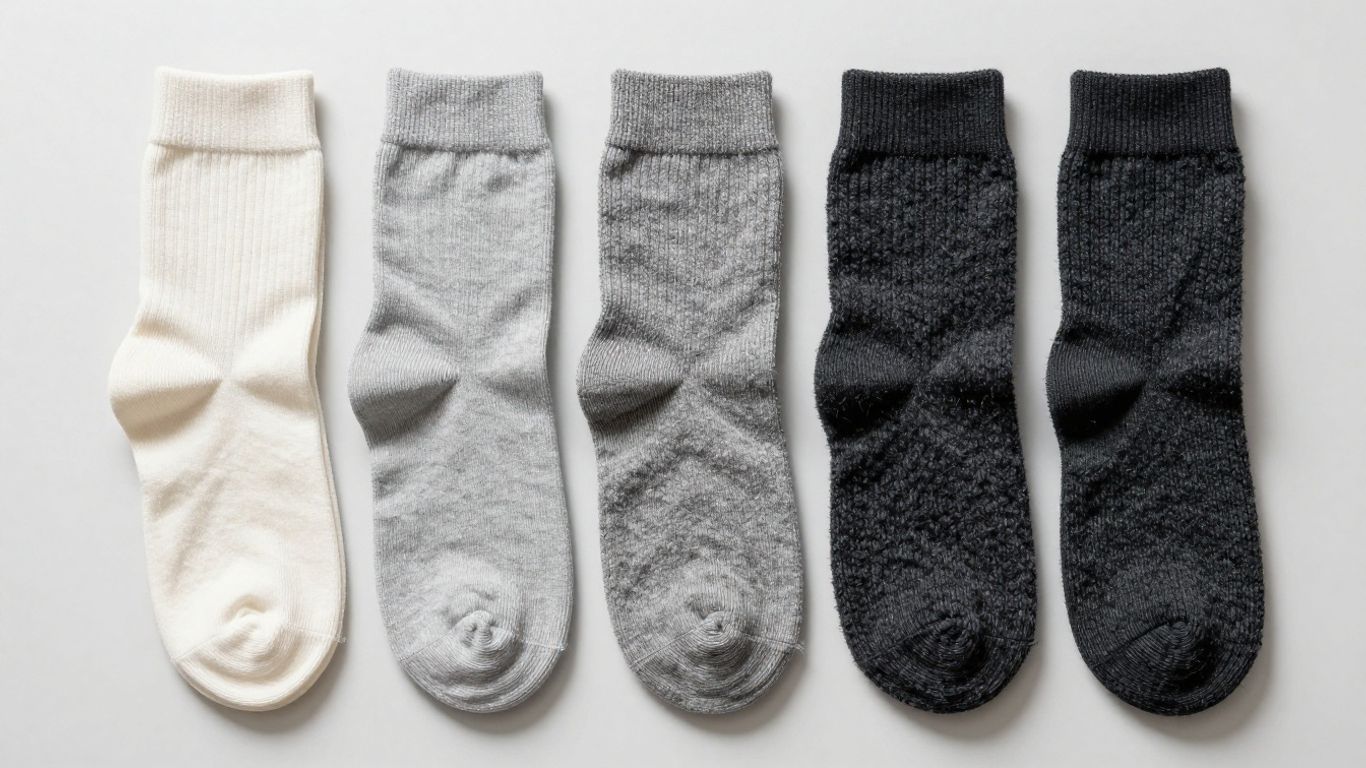
Ok, vamos analisar os pesos das meias. Não é só sobre o quão pesadas parecem na mão, mas mais sobre como são feitas e para que servem. Pense nisso como escolher a ferramenta certa para o trabalho – não usaria uma chave de fendas pequena para martelar um prego, certo? A mesma ideia aplica-se às meias.
Meias de trabalho leves
Estas são as suas escolhas para o tempo mais quente ou quando não está exatamente a lutar com ursos. São finas, muitas vezes com pouco ou nenhum acolchoamento extra. A principal função aqui é a respirabilidade e evitar que os seus pés fiquem encharcados. Secam rápido, o que é uma vantagem se tende a suar muito ou, sabe, pisar numa poça por acidente. Basicamente, são uma camada fina de proteção, desenhadas para atividades de alta intensidade onde quer sentir-se leve nos pés. Pode notar que se desgastam um pouco mais rápido do que as suas primas mais robustas, mas bem, esse é o preço a pagar por sentir que está a andar nas nuvens.
Meias de trabalho de peso médio
Agora estamos a falar dos versáteis. As meias de peso médio são como o canivete suíço do mundo das meias. Oferecem mais amortecimento do que as leves, tornando-as mais confortáveis para dias mais longos ou quando precisa de um pouco mais de proteção entre o pé e a bota de trabalho implacável. Normalmente são um bom equilíbrio entre calor e respirabilidade. Algumas podem ter painéis mais finos na parte superior para deixar os pés respirarem quando a temperatura sobe, enquanto outras são apenas um pouco mais espessas por todo o lado. São ótimas para as "estações intermédias" ou simplesmente quando quer um pouco mais de acolchoamento sem sobreaquecer. São versáteis para muitos trabalhos diferentes e até para algumas aventuras de fim de semana.
Meias de trabalho pesadas
Quando a temperatura baixa ou o trabalho exige um amortecimento sério, opta pelas pesadas. Estas meias são feitas para o extremo. Têm o máximo de acolchoamento, a construção mais espessa e são desenhadas para manter os seus pés quentinhos e protegidos. Pense nelas como pequenas tendas para os pés quando está um frio de rachar lá fora. Muitas vezes não têm aqueles painéis super respiráveis porque a sua principal função é isolamento e absorção de choque. Se trabalha em ambientes frios ou precisa do máximo conforto e durabilidade, estas são as suas campeãs. Podem parecer um pouco volumosas, mas os seus pés vão agradecer por não se transformarem em blocos de gelo.
O peso de uma meia não é apenas sobre a espessura; é um equilíbrio cuidadosamente planeado entre amortecimento, isolamento e respirabilidade, tudo desenhado para corresponder às exigências do seu dia de trabalho e ao ambiente em que se encontra. Escolher o peso certo pode impactar seriamente o seu conforto e produtividade.
Meias de trabalho leves vs pesadas: comparação lado a lado
Muito bem, vamos ao que interessa. Está a olhar para a sua gaveta de meias, um verdadeiro campo de batalha de coberturas para os pés, e está a perguntar-se: leve ou pesada? Não é só sobre como os seus pés se sentem agora, mas como se sentirão depois de oito, dez, talvez até doze horas a lutar com o dia de trabalho. Pense assim: meias leves são os seus ténis de confiança para o dia a dia – respiráveis, ágeis e perfeitas para quando está em movimento, mas não exatamente a escalar o Evereste. São finas, muitas vezes feitas com materiais que afastam a humidade como campeãs, mantendo os seus pés frescos mesmo quando a temperatura sobe. Estas são as suas escolhas para tempo quente ou quando o seu trabalho envolve muito caminhar e menos trabalho pesado e estacionário.
As meias pesadas, por outro lado, são as suas botas de inverno isoladas para os pés. São grossas, macias e feitas para um acolchoamento e calor sérios. Imagine que está a trabalhar ao ar livre no meio do inverno, ou talvez o seu trabalho envolva estar em pé sobre cimento durante horas. É aí que estas brilham. Oferecem o máximo de almofadamento para absorver o choque e manter o frio afastado. No entanto, todo esse acolchoamento pode significar menos respirabilidade, por isso, se tende a aquecer demais, pode acabar com outro tipo de problema nos pés.
Aqui está um resumo rápido:
- Meias Leves:
- Finhas e respiráveis
- Melhores para tempo quente ou dias de alta atividade
- Acolchoamento mínimo, secagem rápida
- Meias Pesadas:
- Grossas e muito acolchoadas
- Ideal para tempo frio ou trabalhos que exigem longos períodos em pé
- Máximo calor e absorção de choque
Escolher entre elas não é só uma questão de preferência pessoal; é sobre adequar a meia às exigências do seu trabalho e ao ambiente onde trabalha. Usar meias pesadas num dia escaldante de verão é como tentar correr uma maratona com um casaco de penas – miserável e contraproducente. Por outro lado, tentar enfrentar uma manhã fria com meias leves e frágeis é pedir problemas.
Por isso, ao escolher o seu par, pense na temperatura, no tempo que vai estar de pé e no tipo de botas com que as vai usar. Faz parte da grande estratégia para pés felizes. Para saber mais sobre materiais de meias e o que os torna especiais, pode consultar este conhecimento abrangente sobre meias.
Escolha Leve Se
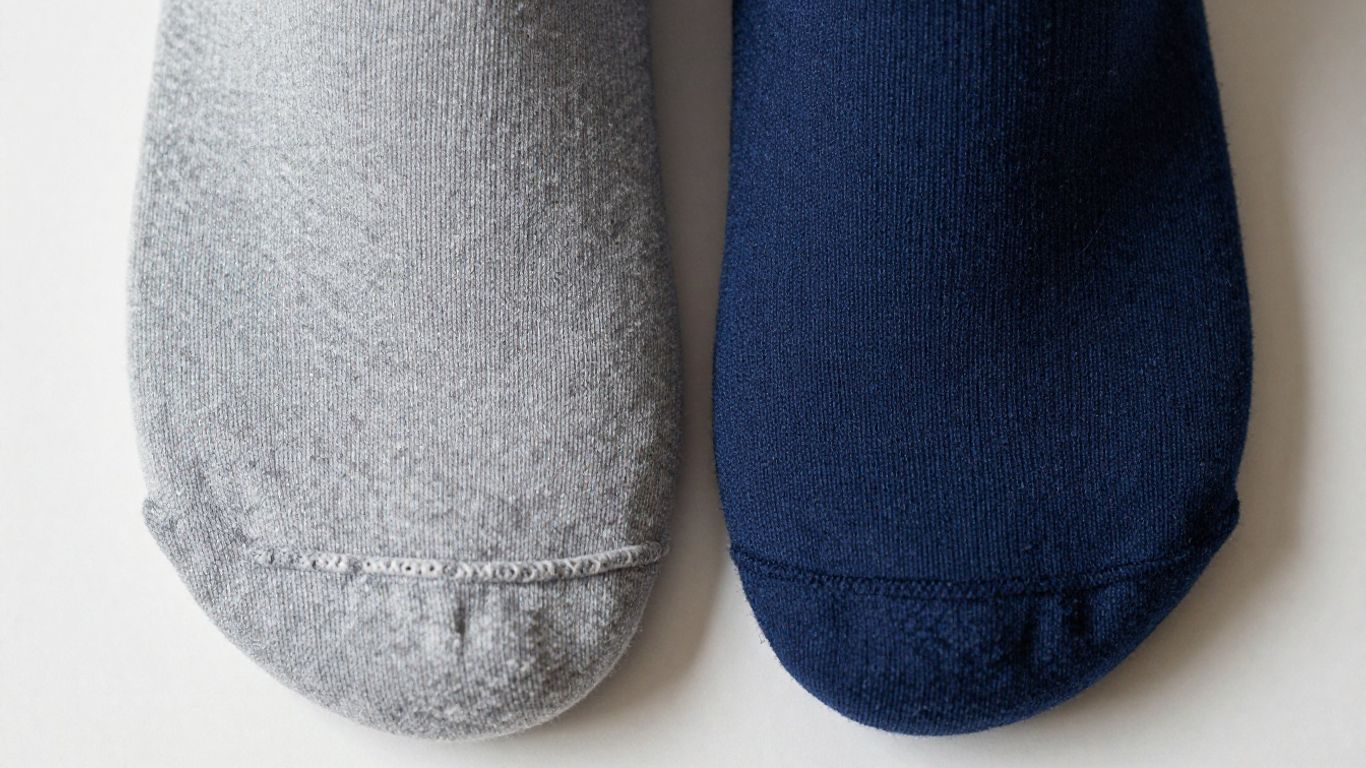
Então, está a pensar em meias leves para as suas botas de trabalho? Bom. Vamos ser honestos: meias de trabalho leves são basicamente a escolha perfeita quando os seus pés aquecem um pouco, a carga de trabalho é alta e o sol está a cozinhar ovos no pavimento. Se transpira muito ou simplesmente odeia a sensação de pântano que sente depois do almoço, já está a meio caminho.
Aqui está quando faz sentido optar por esses pares ultraleves:
- Trabalha ao ar livre ou num ambiente quente (olá, equipas de construção no verão e guerreiros de armazém).
- Quer que as suas botas sirvam como quando as comprou. Meias mais grossas podem transformar um ajuste justo numa tortura.
- Tem bolhas ou fricção com meias mais pesadas — opções mais finas reduzem o acumular e os pontos de atrito.
- Está em movimento constante e precisa de flexibilidade. Menos volume significa mais espaço para mexer os dedos e pés mais felizes.
- Não suporta meias suadas mas ainda quer alguma barreira nas suas botas (bónus: meias leves secam muito mais rápido).
- O seu objetivo: menos volume, mais respirabilidade, sem preocupação com o frio.
Aqui está um resumo rápido do porquê de escolher meias leves em vez de um par grosso:
| Característica | Meias Leves | Meias Pesados |
|---|---|---|
| Espessura | Fino, mínimo | Espesso, extra acolchoado |
| Respirabilidade | Alto | Baixo |
| Tempo de Secagem | Rápido | Lento |
| Melhor Estação | Primavera/Verão | Outono/Inverno |
| Ajuste da bota | Não muda muito | Ajuste apertado |
| Calor | Mínimo | Máximo |
Os meias leves aliviam o calor (literalmente), tornando-os perfeitos quando precisa que os seus pés se mantenham secos e móveis — especialmente se o seu trabalho o faz andar ao sol ou, sejamos honestos, se simplesmente odeia lidar com meias molhadas ao meio-dia.
Se pés suados são o seu inimigo, veja por que os meias leves são ótimos no verão. E não se esqueça que respirabilidade não é só uma palavra da moda — é o seu bilhete para dias longos de trabalho sem meias fedorentas e encharcadas.
Escolha Meias Pesados Se
Está a pensar nos meias pesados? Boa escolha se o seu dia de trabalho é menos sobre beber cafés e mais sobre enfrentar os elementos. Estes são a sua escolha quando o termómetro desce ou quando o seu trabalho exige muito dos seus pés.
Pense nos meias pesados como a sua fortaleza pessoal para os pés. Estão cheios do máximo amortecimento, o que é uma bênção quando está de pé ou a andar em superfícies duras durante horas. Este acolchoamento extra não só é confortável; absorve o choque, potencialmente poupando os seus pés de um abuso sério. Além disso, todo esse material extra significa mais isolamento. Se trabalha ao ar livre em temperaturas congelantes, estes são indispensáveis. São desenhados para reter o calor e evitar que os seus dedos se transformem em pequenos cubos de gelo.
Aqui está quando deve definitivamente optar pelos meias pesados:
- Frio Extremo: Trabalhar num congelador, limpar a neve ou simplesmente existir em temperaturas abaixo de zero? Os meias pesados são a sua melhor aposta para se manter quente.
- Trabalhos de Máximo Impacto: Se o seu trabalho envolve muito levantamento de peso, batidas constantes no cimento ou qualquer coisa que realmente maltrate os seus pés, o amortecimento extra é uma salvação.
- Uso Prolongado em Condições Adversas: Turnos longos no frio, humidade ou terreno difícil? Estas meias oferecem durabilidade e calor que as opções mais leves simplesmente não conseguem igualar.
Não subestime o poder de uma boa meia. Não se trata apenas de conforto; trata-se de proteger os seus pés do desgaste diário e do ambiente. Uma meia de peso pesado é um investimento no seu bem-estar no trabalho.
Embora ofereçam calor e almofadamento superiores, lembre-se que as meias de peso pesado podem por vezes parecer um pouco volumosas. Certifique-se de que as suas botas de trabalho têm espaço suficiente para as acomodar sem ficarem apertadas. Não quer trocar pés frios por problemas de circulação, certo? Para a máxima proteção e calor para os seus pés, veja as meias de trabalho duráveis desenhadas para os trabalhos mais exigentes.
Escolha Peso Médio Se
Portanto, não está exatamente a escalar o Evereste com as suas botas de trabalho, mas também não está apenas a mexer em papéis num escritório com controlo climático. Precisa de uma meia que o apoie, ou melhor, que apoie os seus pés, durante uma boa parte do dia. É aí que a meia de peso médio entra em ação, como aquele amigo fiável que está sempre pronto para tudo.
Pense nas meias de peso médio como o "Cachinhos Dourados" das meias de trabalho: nem muito finas, nem muito grossas, na medida certa para muitas situações. Oferecem um pouco mais de almofadamento do que as suas primas leves, o que significa mais conforto quando está de pé por longos períodos. Este almofadamento extra é uma salvação, especialmente se o seu trabalho envolve muito estar em pé, caminhar ou até alguma construção leve.
É aqui que uma meia de peso médio realmente se destaca:
- Está a trabalhar durante as estações intermédias: A primavera e o outono podem ser imprevisíveis. Um dia está frio, no outro está surpreendentemente quente. As meias de peso médio proporcionam um bom equilíbrio, mantendo os seus pés sem frio ou calor excessivo.
- O seu trabalho envolve atividade moderada: Se está a mexer-se bastante, mas não exatamente a correr uma maratona no local de trabalho, as meias de peso médio são a sua escolha. Oferecem durabilidade e suporte sem parecerem volumosas.
- Quer um pouco mais de almofadamento do que as meias leves oferecem: Por vezes, essas meias leves simplesmente não chegam depois de algumas horas. As meias de peso médio dão-lhe essa camada extra de conforto e proteção.
- Você valoriza os benefícios da Lã Merino em Roupa de Trabalho: Muitas meias de peso médio incorporam lã Merino, que é um material fantástico para meias de trabalho. É naturalmente eficaz na gestão da humidade e do odor, o que significa que os seus pés ficam mais secos e cheiram melhor, mesmo após um longo dia. Além disso, oferece um pouco de calor sem fazer os seus pés suarem em excesso.
As meias de peso médio são os cavalos de batalha versáteis do mundo das meias. Preenchem a lacuna entre as ultra finas e as super acolchoadas, oferecendo uma mistura equilibrada de amortecimento, durabilidade e regulação de temperatura que funciona para uma grande variedade de trabalhos e condições. São a escolha sensata quando precisa de conforto fiável sem comprometer o desempenho.
Também são uma escolha sólida se fizer alguma aventura ao fim de semana depois da semana de trabalho. Pense numa caminhada de um dia ou num passeio longo no parque; estas meias aguentam. Não são especificamente desenhadas para frio extremo como as meias pesadas, mas certamente o manterão mais quente do que uma opção leve. É tudo uma questão de encontrar o equilíbrio perfeito para o seu dia a dia e para o que mais a vida lhe trouxer.
Os Materiais Importam
Ok, antes de simplesmente pegar em qualquer par de meias e enfiar os pés nas botas, vamos falar sobre "Como as Meias Influenciam os Pés." (Sim, é mais do que apenas sobreviver ao seu turno com todos os dez dedos.) O material das meias não é só uma questão de moda — pode mudar totalmente o seu dia para melhor ou, por vezes, para um pior suado e fedorento. Aqui está o que precisa de saber sobre os materiais mais comuns.
Algodão
O algodão é como aquele amigo que quer ajudar mas às vezes desilude. É macio, confortável e muito fácil de encontrar nas lojas. Mas o algodão absorve água como uma esponja, por isso todo esse suor não tem para onde ir. Em dias quentes ou com trabalho pesado, acabará com os pés encharcados. Claro, as misturas que incluem fibras sintéticas oferecem alguma respirabilidade e elasticidade, mas as meias de algodão puro são mesmo para dias em que não espera suar muito. Para mais informações sobre fibras, pode querer consultar estas análises de materiais de meias.
- Ótimo para condições casuais e secas
- Acessível e comum em todo o tipo de lojas
- Retém a humidade, o que pode causar bolhas ou pés frios
Se o seu trabalho é uma maratona de suor nos pés durante todo o dia, o algodão não vai ajudar a ganhar prémios de conforto. Opte por uma mistura ou procure outra coisa.
Lã Merino
Bem-vindo ao clube dos tecidos de meias de luxo. A lã merino é ultra macia, lida com o suor como ninguém e nunca coça como o velho casaco do seu avô. Mantém-no quente no inverno e fresco no verão (a sério), por isso funciona o ano todo. Bónus: a lã merino é naturalmente anti-odor, por isso as suas botas cheiram menos a fábrica de pés. No entanto, é mais cara e precisa de lavagem delicada se não quiser que encolha até ficar do tamanho de uma meia para hamster.
- Afasta a humidade, mantém os pés secos
- Super confortável e não irrita
- Mantém-se quente mesmo quando molhado
- Mais caro e precisa de cuidados delicados
Náilon
O náilon não é só para collants ou fatos de treino dos anos 80. Nas meias, é o responsável pela força e elasticidade. Ajuda as meias a manterem a forma, mesmo depois de muitas lavagens, e aumenta a durabilidade—perfeito para quem é exigente com o equipamento. O náilon tem uma desvantagem: pode reter calor e às vezes parece menos respirável do que as fibras naturais.
- Aumenta a durabilidade das meias
- Mantém a forma e oferece boa elasticidade
- Pode parecer um pouco escorregadio e menos respirável
- Normalmente encontrado em mistura com outros materiais
Spandex
O spandex é o que faz as suas meias voltarem à forma em vez de ficarem moles. Se alguma vez teve uma meia a escorregar para dentro da bota a meio do dia—sim, é isso que acontece sem spandex. Normalmente não aparece sozinho; vê-se como uma pequena percentagem em misturas. Mesmo 1–5% faz toda a diferença no ajuste e conforto.
- Ajuda as meias a abraçar os pés e a manter-se no lugar
- Funciona com outras fibras para flexibilidade
- Evita que a meia caia, o que irrita toda a gente
| Material | Melhor característica | Pior característica | Tipos habituais de meias |
|---|---|---|---|
| Algodão | Suave, natural | Super absorvente (mau) | Uso diário, casual |
| Lã Merino | Afasta a humidade, anti-odor | Pode encolher, mais caro | Trabalho, caminhada, todo o ano |
| Náilon | Resistente, elástico | Menos respirável | Trabalho, desporto, misturas |
| Spandex | Ajuste elástico | Não uma estrela solitária | Todas (só um pouco) |
Da próxima vez que estiver a comprar meias e a perguntar-se o que realmente envolve os seus dedos, lembre-se disto: não é só a cor ou o preço—o material é que decide “Como as Meias Moldam os Pés.” Não se deixe enganar por um rótulo que diz “Performance” sem verificar os ingredientes também. Os seus pés no trabalho vão agradecer!
Teste de Ajuste da Bota
Ok, encontrou as meias de trabalho que prometem curar bolhas, combater odores e basicamente dar superpoderes aos seus pés. Mas antes de correr para o trabalho como um super-herói das meias, pare para o Teste de Ajuste da Bota—porque nada estraga o seu dia mais rápido do que perceber que as suas botas parecem um dispositivo de tortura medieval com as meias erradas.
O peso da meia muda totalmente a sensação das suas botas—pense na Cinderela, mas com menos fadas madrinhas. Mesmo a melhor bota de trabalho pode parecer apertada com meias grossas ou folgada com meias finas. Tem de testar as meias e as botas juntas, não em universos separados.
Aqui está o seu rápido e prático Teste de Ajuste da Bota, para nunca mais sentir aquele “ai, os meus dedos estão dormentes outra vez”:
- Coloque as meias que planeia usar para trabalhar—sim, o par real, não aquelas com um buraco no dedo que usa no dia da roupa para lavar.
- Aperte os atacadores das botas como faria para um turno normal—sem fingir que as está a experimentar de forma displicente.
- Ande (ou caminhe rapidamente se for dramático) durante pelo menos 5 minutos.
- Verifique:
- Apertar nos dedos, na planta ou no topo do pé
- Calcanhar a escorregar ou pontos estranhos de atrito
- Se tiver espaço suficiente para mexer os dedos (mas não tanto que comece a tropeçar)
| Peso da meia | Sensação possível da bota | Ação |
|---|---|---|
| Peso leve | As botas sentem-se mais folgadas | Considere meias ou palmilhas mais grossas |
| Peso médio | As botas sentem-se “na medida certa” | Parabéns! |
| Peso pesado | As botas sentem-se apertadas/confinadas | Suba meio número de bota ou afrouxe os atacadores |
A maioria das pessoas ignora isto e acaba com dedos esmagados ou síndrome do sapato de palhaço. Não seja essa pessoa.
Às vezes, as melhores meias do mundo simplesmente não se dão bem com certas botas. Se notar pontos de aperto ou pressão, o problema não é consigo—é a combinação.
E aqui vai uma dica extra: experimente sempre as botas de trabalho novas com as meias que vai usar no trabalho. O tamanho e a forma do seu pé importam mais do que imagina—acertar nessa combinação pode ser a diferença entre pés que aguentam o dia de trabalho ou pés que apresentam queixa ao RH ao meio-dia.
Erros a Evitar
Ok, vamos falar dos erros com meias que podem transformar o seu dia de trabalho num fiasco para os pés. Todos já passámos por isso, certo? Pega no primeiro par de meias que vê, enfia os pés nas botas e depois passa as próximas oito horas a arrepender-se de todas as escolhas que o levaram a esse momento.
Antes de mais, não presuma que todas as meias são iguais. Só porque cobre o seu pé não significa que seja adequada para o trabalho. Usar meias finas, estilo formal, com botas de trabalho robustas é uma receita para o desastre. Não oferecem suporte e podem causar todo o tipo de fricção, especialmente se as suas botas forem um pouco largas. Pode acabar com bolhas mais rápido do que diz "ai". Meias finas em botas de cowboy largas podem causar deslizamento do calcanhar, levando a fricção e bolhas. Este é um problema comum em muitas marcas de botas. Escolher a espessura certa das meias é crucial para o conforto e para evitar irritações nos pés ao usar botas de cowboy.
Outro erro comum é ignorar o material. Calçar um par de meias 100% algodão quando sabe que vai suar muito é uma má escolha. O algodão absorve a humidade como uma esponja e depois mantém-na, deixando os seus pés a sentir-se como um pântano. Este ambiente húmido é perfeito para bolhas e desconforto geral. Prefira materiais que afastem a humidade, como lã merino ou misturas sintéticas.
Aqui estão mais algumas coisas a evitar:
- Ignorar o ajuste da bota: As suas meias fazem parte da equação para um bom ajuste da bota. Se as meias forem demasiado grossas, podem fazer com que uma bota que encaixa perfeitamente fique apertada e desconfortável. Por outro lado, meias demasiado finas podem fazer com que o pé deslize dentro da bota.
- Lavar e secar mal: Colocar as suas boas meias de lã junto com os jeans e secá-las em alta temperatura é uma forma certa de as encolher até ficarem presas em pés do tamanho de bonecos. Verifique sempre a etiqueta de cuidados!
- Usar o mesmo par dia após dia: A menos que viva numa bolha estéril, as suas meias acumulam suor e bactérias. Dê aos seus pés um novo começo a cada dia com um par limpo.
A sério, pense nas suas meias como os heróis desconhecidos do seu dia de trabalho. São a primeira linha de defesa entre a sua pele delicada e as duras realidades do seu ambiente de trabalho. Trate-as com o respeito que merecem, e elas recompensarão com pés felizes.
Por fim, não tenha medo de experimentar um pouco. O que funciona para o seu amigo pode não funcionar para si. Os seus pés são únicos, e as suas condições de trabalho também. Encontrar a meia perfeita pode exigir algum teste e erro, mas vale totalmente a pena para um dia confortável em pé. Lembre-se, as meias crew oferecem conforto e estilo, mas a escolha do material é fundamental para roupa de trabalho.
Onde a Hywell se encaixa
Então, tem andado a lutar com a escolha das meias, tentando perceber se precisa de algo tão fino como um sussurro ou tão grosso como um abraço de urso para os seus pés. Onde é que a Hywell entra nesta saga das meias? Pense na Hywell como o seu guru fiável do meio-termo, especialmente se está a lidar com as alegrias de ficar em pé prolongadamente no trabalho.
As meias da Hywell, especialmente as opções em lã Merino, são desenhadas para atingir esse equilíbrio perfeito. Não tentam ser as meias ultra-finas que desaparecem no pé, nem os volumosos monstros que fazem as suas botas parecerem sapatos de palhaço. Em vez disso, focam-se em fornecer uma camada de suporte e conforto que faz realmente a diferença quando está de pé o dia todo.
A Hywell pretende resolver o problema comum da fadiga e desconforto nos pés durante longos dias de trabalho, oferecendo meias que equilibram amortecimento, respirabilidade e durabilidade. Eles entendem que nem todo trabalho exige isolamento extremo ou volume mínimo, mas sim um conforto consistente e fiável.
Se é alguém que sente os pés cansados no final do dia, ou talvez já tenha experimentado outras meias que se amontoam ou parecem demasiado finas, a Hywell pode ser o seu novo melhor amigo. São feitas com características como Maxicushion™ para ajudar a aliviar a pressão e suportar o arco do pé, o que é muito importante quando está de pé durante horas. Além disso, a lã Merino é um gestor natural de odores e suor, para que se sinta um pouco mais confortável mesmo depois de um turno longo. São uma escolha sólida para quem precisa de conforto fiável sem exageros. Pode ver a sua gama de meias de lã Merino se estiver curioso.
A Hywell é feita para pessoas que precisam de meias resistentes e confortáveis para o trabalho. As nossas meias são fortes, macias e duram anos. Pronto para sentir a diferença? Visite o nosso site e veja como a Hywell pode ajudar.
Então, que meias vai escolher?
Muito bem, já falámos sobre meias. Leves, pesadas, de peso médio – há todo um universo de meias por aí. Honestamente, escolher o par certo pode parecer escolher um filho favorito, mas lembre-se, os seus pés são os heróis silenciosos do seu dia de trabalho. Dê-lhes o conforto que merecem, seja um par fino e fresco para um dia quente de verão ou um par grosso e acolchoado para enfrentar o frio do inverno. Não seja aquela pessoa com pés suados e cheios de bolhas a queixar-se das botas; os seus pés vão agradecer-lhe depois, provavelmente com menos bolhas e talvez até menos odor. Agora vá em frente e escolha as suas meias sabiamente!
Perguntas Frequentes
Como sei se preciso de meias leves ou pesadas para trabalhar?
Pense no seu ambiente de trabalho e na quantidade de movimento que faz. Se trabalha num lugar quente ou anda muito, meias leves ajudam a manter os pés frescos e secos. Se está ao ar livre no frio ou fica parado durante horas, meias pesadas mantêm os pés quentes e acolchoados.
Qual é a diferença entre meias leves, de peso médio e pesadas?
Meias leves são finas e respiráveis, ótimas para dias quentes ou muita atividade. Meias de peso médio têm mais almofada e são boas para uso diário ou clima ameno. Meias pesadas são grossas, muito quentes e melhores para clima frio ou trabalhos difíceis.
Posso usar meias de algodão para trabalhar?
Meias de algodão são macias, mas absorvem o suor e podem deixar os seus pés húmidos. Isso pode causar bolhas e desconforto, especialmente se trabalhar muito ou em clima quente. Para o trabalho, é melhor escolher meias feitas de lã, nylon ou misturas que afastem a humidade.
Por que é que as minhas meias ficam sempre com dobras nas botas?
As meias formam dobras se forem muito grandes, muito largas ou feitas com elástico fraco. Experimente meias que se ajustem bem e tenham um pouco de spandex ou elástico. Isso ajuda as meias a manterem-se no lugar o dia todo.
As meias pesadas são sempre melhores para o inverno?
Meias pesadas são ótimas para dias muito frios, mas às vezes meias de peso médio feitas de materiais quentes como a lã são suficientes. Se as suas botas já são isoladas, meias de peso médio podem ser mais confortáveis e não tão volumosas.
Como posso evitar que os meus pés suem nas botas de trabalho?
Escolha meias que sejam respiráveis e que afastem o suor, como as feitas de lã merino ou fibras sintéticas. Meias leves ou de peso médio são as melhores para isso. Além disso, certifique-se de que as suas botas encaixam bem e deixam os seus pés respirar.
Qual é o melhor material para meias para conforto durante todo o dia?
A lã merino é uma escolha excelente porque é macia, mantém os pés secos e não cheira mal. Misturas de nylon e spandex também funcionam bem para conforto e elasticidade. Evite algodão 100% para longos dias de trabalho.
Como posso garantir que as minhas meias encaixam bem nas minhas botas?
Experimente as suas meias com as suas botas de trabalho antes de as usar o dia todo. Ande um pouco para ver se ficam apertadas ou se formam dobras. As meias certas devem ajustar-se bem, não escorregar e não fazer com que as botas fiquem demasiado apertadas.