


Cuando te preparas para un día con tus botas de trabajo, los calcetines que elijas pueden hacer una gran diferencia. Probablemente hayas visto opciones hechas de lana Merino y poliéster, y tal vez te hayas preguntado cuál es realmente mejor. No siempre hay una respuesta clara, ya que ambos tienen sus fortalezas. Vamos a desglosar cómo se comparan los calcetines de lana Merino y poliéster, especialmente cuando están dentro de tus confiables botas de trabajo.
Conclusiones clave
- La lana Merino absorbe el vapor de humedad, manteniendo tu piel más seca por más tiempo, mientras que el poliéster sobresale en evacuar rápidamente el sudor líquido. Ambos ayudan a prevenir ampollas al controlar la humedad.
- La lana Merino ofrece aislamiento natural que funciona incluso cuando está húmeda, manteniendo tus pies más calientes en condiciones frescas. El poliéster se seca más rápido pero proporciona menos calor cuando está mojado.
- Las fibras de poliéster son generalmente más resistentes y duraderas frente a la abrasión, lo que suele traducirse en calcetines que duran más, especialmente en áreas de mucho desgaste. Las mezclas con nylon o poliéster aumentan la durabilidad de la lana Merino.
- La lana Merino tiene propiedades antimicrobianas naturales que combaten el olor, permitiendo usarla varias veces entre lavados. El poliéster carece de esta defensa natural y puede empezar a oler más rápido.
- Para la comodidad, la lana Merino es conocida por su suavidad, mientras que el poliéster ofrece una sensación lisa. La construcción sin costuras y un buen ajuste son vitales para prevenir ampollas con cualquiera de los dos materiales.
¿Cómo manejan el sudor?
Bien, hablemos de lo sudoroso. Cuando estás todo el día con botas de trabajo, tus pies inevitablemente se van a poner un poco… húmedos. Cómo tus calcetines manejan ese sudor hace una gran diferencia en la comodidad e incluso puede prevenir problemas desagradables más adelante. Entonces, ¿cómo se comparan la lana Merino y el poliéster cuando la cosa se pone caliente?
Absorción de humedad de la lana Merino
Piensa en la lana Merino como una esponja súper absorbente, pero mucho más inteligente. No solo absorbe líquido; en realidad extrae el vapor de humedad —esa es la forma gaseosa del sudor— lejos de tu piel y lo retiene dentro de las fibras de lana. Esto significa que tus pies pueden sentirse más secos por mucho más tiempo, incluso si sudas mucho. La lana Merino puede retener una cantidad sorprendente de humedad, hasta un 30% de su propio peso, antes de que empieces a sentirte húmedo. Es bastante impresionante cómo mantiene ese microclima alrededor de tu piel más cómodo.
El poder de evacuación del poliéster
El poliéster funciona un poco diferente. No es realmente bueno absorbiendo la humedad por sí mismo. En cambio, es un campeón en la evacuación del sudor. Imagina pequeños canales que recorren las fibras de poliéster; eso es básicamente lo que sucede. El sudor se aleja de tu piel y se mueve hacia la superficie exterior del calcetín, donde puede evaporarse. Esto significa que, aunque el poliéster pueda sentirse un poco más húmedo contra tu piel si sudas mucho, también se seca mucho más rápido que la lana una vez que está expuesto al aire. Todo se trata de mover ese líquido rápidamente.
¿Cuál es mejor para el sudor?
Entonces, ¿cuál gana la batalla contra el sudor? Honestamente, depende de lo que estés haciendo y cuánto sudes.
- Para períodos largos donde quieres sentirte seco por más tiempo: La lana Merino suele tener la ventaja porque absorbe ese vapor inicial antes de que se convierta en sudor líquido. Esto mantiene tu piel más seca durante un período más prolongado.
- Para actividad intensa o condiciones muy húmedas: Las propiedades de absorción rápida y secado veloz del poliéster pueden ser un salvavidas. Si tus calcetines se empapan, el poliéster te hará sentir seco mucho más rápido.
- Cuando necesitas un equilibrio: Muchos calcetines usan mezclas de Merino y poliéster (o nylon) para obtener lo mejor de ambos mundos: la comodidad y el manejo de la humedad de la lana con la durabilidad y el secado rápido de los sintéticos. Puedes encontrar algunos excelentes calcetines de rendimiento que usan estas combinaciones.
La conclusión clave es que ambos materiales manejan la humedad, pero lo hacen de maneras distintas. Entender estas diferencias te ayuda a elegir el calcetín adecuado para el trabajo, manteniendo tus pies más felices en esas botas de trabajo.
Mantén tus pies cómodos (o frescos)
Cuando estás todo el día con botas de trabajo, tus pies pueden pasar por mucho. Pueden calentarse y sudar mucho, o a veces, si no tienes cuidado, pueden sentirse realmente fríos. El material de tus calcetines juega un papel enorme en lo cómodos que se sienten tus pies, sin importar el clima.
El aislamiento natural de la lana Merino
La lana Merino es bastante asombrosa cuando se trata de mantener tus pies a la temperatura justa. Esas pequeñas fibras de lana tienen un rizo natural, que crea pequeños bolsillos de aire. Estos bolsillos de aire actúan como un aislante natural, atrapando el calor de tu cuerpo para mantenerte abrigado cuando hace frío. Lo realmente genial es que, incluso si tus calcetines se mojan un poco por el sudor o un charco, la lana Merino aún conserva gran parte de su calor. Es como tener un termostato incorporado para tus pies.
El calor de secado rápido del poliéster
Los calcetines de poliéster también pueden mantenerte abrigado, especialmente los más gruesos. Funcionan atrapando aire, similar a la lana. Sin embargo, el principal truco del poliéster es lo rápido que se seca. Si tus pies sudan, el poliéster aleja esa humedad de tu piel y permite que se evapore rápidamente. Esto significa que el poliéster es excelente para mantenerte caliente siempre que se mantenga seco. Si estás en una situación donde es probable que tus calcetines se empapen, la capacidad de secado rápido del poliéster puede ser un verdadero salvavidas para evitar esa sensación de frío.
Regulación de la temperatura durante todo el año
Entonces, ¿cuál es mejor para mantener tus pies felices todo el año? Realmente depende de lo que hagas y de las condiciones.
- Para clima frío: La lana Merino suele ser la mejor opción. Su capacidad para aislar incluso cuando está húmeda es una gran ventaja si tus pies tienden a sudar mucho o si puedes encontrar humedad. Proporciona un calor confiable.
- Para clima cálido: Ambos pueden funcionar, pero la lana Merino ligera puede sentirse sorprendentemente fresca. Su transpirabilidad y manejo de la humedad ayudan con el enfriamiento por evaporación. El poliéster también funciona bien aquí debido a su rápido secado y transpirabilidad, especialmente en construcciones más delgadas.
- Lo mejor de ambos mundos: Muchos calcetines combinan lana Merino con poliéster o nailon. Esto te brinda los beneficios naturales de la lana, como suavidad y resistencia a los olores, junto con la durabilidad y el secado rápido de los sintéticos. Es una forma inteligente de obtener buena regulación de temperatura y comodidad.
Elegir el material adecuado para tus calcetines es más que comodidad; se trata de prevenir problemas como ampollas y mantener tus pies saludables dentro de esas botas de trabajo resistentes. Piensa en cuánto sudas y en las temperaturas típicas en las que trabajas al tomar tu decisión.
En última instancia, ya sea que necesites calor acogedor o frescura, el material de tus calcetines marca una gran diferencia. Para un calor confiable, especialmente en condiciones húmedas, los calcetines de lana Merino son una apuesta segura. Si priorizas el secado rápido y sueles estar en ambientes más secos y cálidos, el poliéster podría ser tu mejor opción. Y para un rendimiento equilibrado, considera una mezcla que ofrezca lo mejor de ambos mundos para tus necesidades con botas de trabajo.
¿Cuánto tiempo durarán realmente?
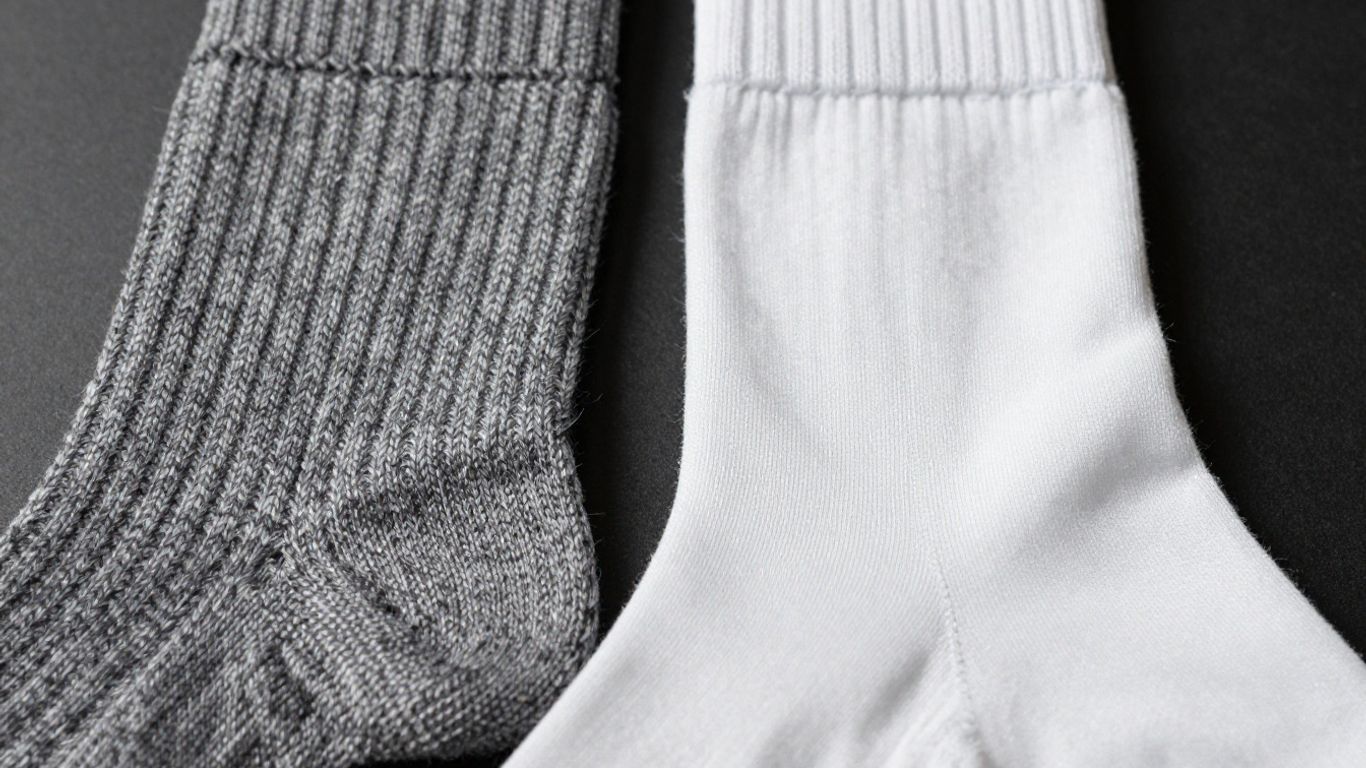
Bien, hablemos de lo esencial: cuánto tiempo van a durar estos calcetines en tu rotación de botas. Nadie quiere comprar calcetines que se deshacen después de unos pocos lavados, ¿verdad? Especialmente cuando los usas todo el día en botas de trabajo.
Resistencia del poliéster
El poliéster es un poco un todoterreno. Sus fibras sintéticas son fuertes y no se desgastan fácilmente por el roce y la fricción. Piénsalo como una cuerda resistente: puede soportar mucho castigo. Esto hace que los calcetines de poliéster sean generalmente bastante duraderos y resistentes al desgaste. Tienden a mantener bien su forma y estructura, incluso después de usos y lavados repetidos. Si buscas algo que aguante un uso intenso, el poliéster es una opción sólida.
Durabilidad de la lana Merino
Ahora, la lana merino puede sorprenderte. Aunque se siente suave y natural, esas fibras de merino son sorprendentemente resistentes. Pueden doblarse y plegarse muchas, muchas veces antes de siquiera pensar en romperse. Este rizado natural en la lana también le da una cualidad elástica, ayudándola a recuperar su forma. Sin embargo, la merino pura a veces puede desgastarse más rápido en áreas de alta fricción en comparación con los sintéticos si no está reforzada. Ahí es donde entran las mezclas.
La magia de las mezclas para la longevidad
Aquí es donde las cosas se ponen realmente interesantes para las botas de trabajo. La mayoría de los calcetines realmente buenos que encontrarás no son 100% de un solo material. A menudo son una mezcla, generalmente lana merino combinada con nylon o poliéster. ¿Por qué? Porque obtienes lo mejor de ambos mundos. La merino mantiene tus pies cómodos y sin olores, mientras que el nylon o poliéster añade esa resistencia extra donde más importa, como en el talón y la punta. Estas áreas reforzadas son clave para evitar agujeros y hacer que tus calcetines duren mucho más. Una buena mezcla puede fácilmente darte más de un año de uso diario, especialmente si los cuidas. Por ejemplo, los calcetines con talones y puntas reforzados están diseñados para soportar el roce constante dentro de las botas.
Cuidar tus calcetines es una gran parte para hacer que duren. Darles la vuelta antes de lavarlos, usar agua fría y secarlos al aire siempre que sea posible puede extender seriamente su vida útil. Evitar el suavizante también es imprescindible, ya que puede afectar las propiedades de absorción.
Cuando busques calcetines, fíjate en detalles como la construcción de doble capa o refuerzos específicos en zonas de mucho desgaste. Estos no son solo términos elegantes; son indicios de que el calcetín está diseñado para sobrevivir al desgaste diario dentro de tus botas de trabajo. Un par bien hecho, aunque cueste un poco más al principio, te ahorrará dinero y problemas a largo plazo en comparación con reemplazar constantemente calcetines baratos.
¿Y ese mal olor?
Seamos realistas por un momento. Cuando trabajas duro todo el día con botas, tus pies van a sudar. Y donde hay sudor, a menudo hay… bueno, un olor. Nadie quiere ser esa persona cuyas botas hacen que la gente se aleje. Entonces, ¿cómo se comparan estos materiales de calcetines para mantener las cosas frescas?
Resistencia al olor de la lana merino
Aquí es donde la lana merino realmente destaca. Tiene propiedades naturales que hacen que sea muy difícil para las bacterias causantes de olores quedarse y multiplicarse. Piénsalo así: la estructura de las fibras de lana y una cera natural llamada lanolina crean un ambiente bastante inhóspito para esos microbios malolientes. Esto significa que a menudo puedes usar calcetines de lana merino durante varios días, especialmente en un viaje donde no es posible lavarlos, sin que empiecen a oler mal. Es un cambio radical para turnos largos o proyectos de trabajo de varios días. Puede que necesites lavarlos con menos frecuencia, lo cual es una ventaja.
La falta de defensas naturales del poliéster
El poliéster, al ser un material sintético, no tiene las mismas defensas naturales contra las bacterias. Sus fibras suaves pueden ser un caldo de cultivo para los gérmenes que causan olor. ¿Sabes cómo algunas prendas de gimnasio adquieren ese olor permanente? Eso puede pasar también con los calcetines de poliéster. Aunque muchos calcetines de poliéster ahora vienen con tratamientos antimicrobianos para combatir esto, estos tratamientos a veces se desgastan con el tiempo. Así que, aunque ayuda, generalmente no es tan efectivo ni duradero como las habilidades naturales de la lana merino. Probablemente tendrás que lavar los calcetines de poliéster con más frecuencia para mantener el olor bajo control.
Cuando se trata de combatir el olor, la lana merino es la clara ganadora. Sus propiedades antimicrobianas naturales hacen que se mantenga más fresca por más tiempo, incluso después de un uso intenso. Aunque el poliéster puede tratarse para reducir el olor, a menudo no iguala la capacidad inherente de la lana merino para mantener el olor a raya, especialmente durante períodos prolongados sin lavar.
Comodidad y sensación
Cuando estás todo el día con botas de trabajo, la sensación de tus calcetines hace una gran diferencia. Nadie quiere pies ásperos y sudorosos a la hora del almuerzo.
La suavidad natural de la lana merino
Los calcetines de lana merino suelen ser elogiados por lo suaves que se sienten contra la piel. A diferencia de la lana que podrías recordar de suéteres ásperos, las fibras de merino son súper finas. Esta finura significa que se doblan fácilmente en lugar de pincharte. Esta suavidad natural es una gran razón por la que muchas personas encuentran los calcetines de lana merino tan cómodos para días largos. No suelen sentirse rígidos o ásperos, incluso después de mucho uso. Además, tienen la habilidad de sentirse bien tanto en clima cálido como frío, lo cual es bastante genial.
La sensación suave del poliéster
Los calcetines de poliéster, por otro lado, tienden a tener una sensación más suave, casi resbaladiza. Al ser sintéticos, no tienen el rizo natural ni la suavidad de la lana merino. Esto puede ser agradable para algunas personas, ya que significa que pueden deslizarse fácilmente dentro de la bota sin acumular arrugas. Sin embargo, esta suavidad no siempre se traduce en el mismo nivel de comodidad acogedora que ofrece la lana. A veces pueden sentirse un poco plásticos, especialmente si son de menor calidad.
Prevenir ampollas con la elección del calcetín
Elegir el material adecuado para los calcetines puede ayudar seriamente a evitar las ampollas. La acumulación de arrugas es una de las principales causas de puntos calientes y ampollas. La lana merino, con su elasticidad natural y capacidad para mantenerse en su lugar, suele ayudar a prevenir esto. Se ajusta al pie sin sentirse demasiado apretada. Los calcetines de poliéster a veces pueden ser más propensos a acumular arrugas si no tienen un buen ajuste o suficiente elasticidad, especialmente cuando se mojan. Un calcetín bien ajustado, independientemente del material, es clave, pero la forma en que las fibras interactúan con tu piel y bota juega un papel importante. Algunos calcetines de lana merino están incluso diseñados con acolchado extra en áreas clave para evitar irritaciones, como estos calcetines para botas que ofrecen comodidad y protección durante todo el día.
Los calcetines adecuados pueden hacer que tus botas de trabajo se sientan como pantuflas, o pueden convertirlas en dispositivos de tortura. Realmente depende de cómo se sienta el material contra tu piel y qué tan bien maneje la humedad y la fricción durante el día. Un buen calcetín debe sentirse como una segunda piel, no como una capa extra de problemas.
Aquí tienes un vistazo rápido de cómo se comparan:
| Característica | Lana merino | Poliéster |
|---|---|---|
| Sensación inicial | Suave, ligeramente elástico | Suave, a veces resbaladizo |
| Aglomeramiento | Menor debido a la elasticidad natural | Puede ser mayor si no están bien ajustados |
| Riesgo de ampollas | Generalmente menor debido a mejor ajuste y control de humedad | Puede ser mayor si se amontonan o acumulan humedad |
| Transpirabilidad | Excelente | Bueno, pero puede atrapar calor si no está bien diseñado |
Cuidando tus calcetines
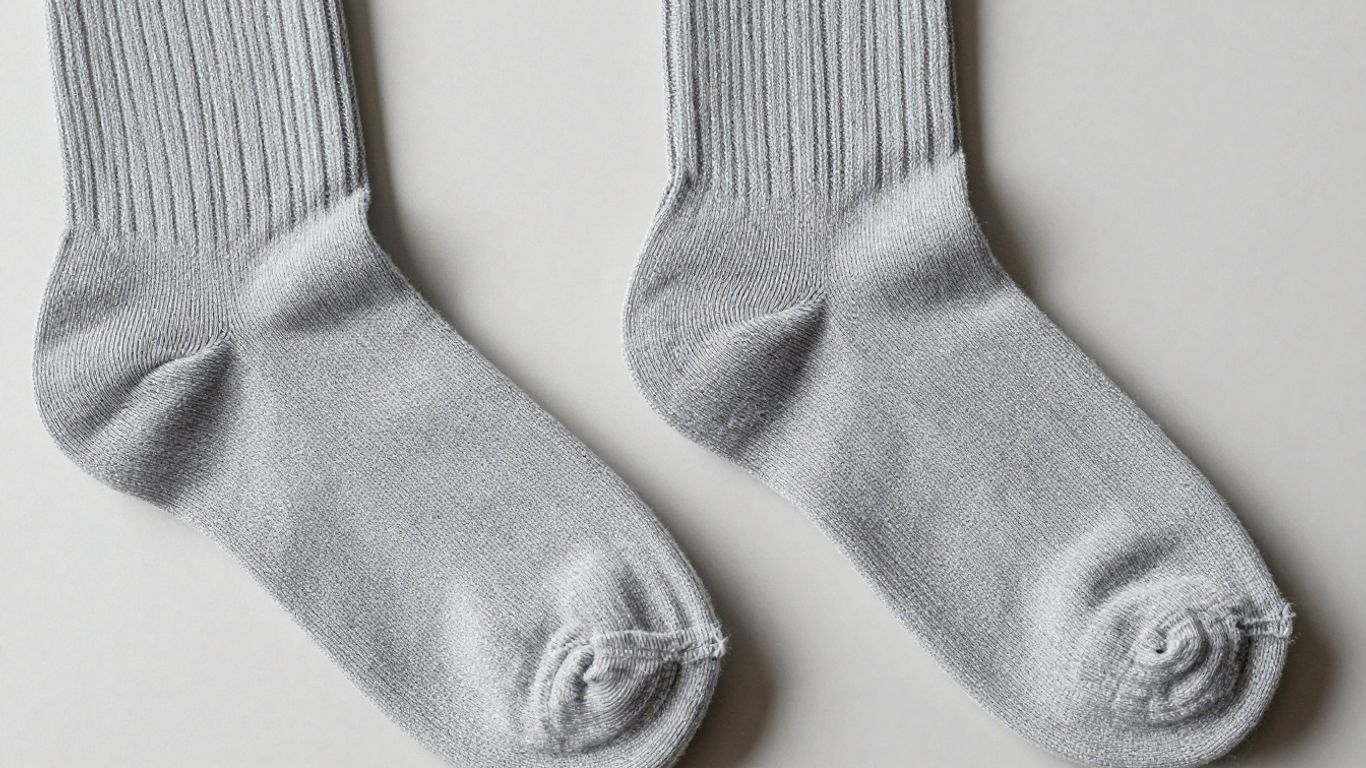
Muy bien, tienes tus botas de trabajo confiables y unos buenos calcetines para acompañarlas. Ahora, ¿cómo mantenerlos en buen estado para que no se conviertan en un desastre triste y caído después de unos pocos usos? No es ciencia espacial, pero un poco de cuidado hace mucho.
Cuidado fácil para el poliéster
Los calcetines de poliéster son prácticamente los campeones de bajo mantenimiento en el mundo de los calcetines. Por lo general, puedes simplemente meterlos en la lavadora con tu carga habitual. Agua tibia o fría está bien, y un detergente estándar funciona perfecto. En cuanto al secado, tienes opciones. Se secan súper rápido si los cuelgas, o puedes ponerlos en la secadora a temperatura baja o media. En serio, son bastante resistentes. Solo echa un vistazo rápido a la etiqueta de cuidado para estar seguro, pero la mayoría de las veces son sin complicaciones.
Manejo delicado para la lana merino
La lana merino, por otro lado, es un poco más… particular. No es que requiera mucho mantenimiento, pero sí agradece un trato más delicado para conservar sus increíbles propiedades. Siempre voltea tus calcetines de merino al revés antes de lavarlos. Esto ayuda a limpiar mejor el interior, donde realmente se acumula todo el sudor y el olor. Además, protege las fibras exteriores. Usa agua fría o tibia; el agua caliente puede hacer que la lana merino encoja o se apelmace, lo cual es un gran no. Usa un detergente suave y definitivamente evita el suavizante. Ese producto recubre las fibras y afecta su capacidad natural para absorber la humedad. Cuando sea hora de secarlos, lo mejor es secarlos al aire. Colócalos planos o cuélgalos. Si realmente necesitas usar secadora, usa la temperatura más baja posible, pero honestamente, déjalos secar al aire. Vale la pena el tiempo extra para mantener esos calcetines invisibles de lana merino en excelente estado.
Tomarse un poco más de tiempo para cuidar tus calcetines, especialmente los de merino, significa que rendirán mejor y durarán mucho más. Piensa en ello como una inversión en pies felices.
Aquí tienes un resumen rápido:
- Poliéster: Lavado y secado a máquina (baja temperatura). Súper fácil.
- Lana merino: Lavado suave (agua fría/tibia), detergente suave, secado al aire. Dale la vuelta antes de lavar.
- Mezclas: ¡Revisa la etiqueta! A menudo, puedes seguir las instrucciones de cuidado para el componente sintético, pero ten cuidado con la lana.
La conclusión sobre tus botas
Bien, ya hablamos de sudor, calor, durabilidad y olor. Ahora, vamos a concluir y descubrir qué es lo que realmente hará felices a tus pies dentro de esas botas de trabajo.
Cuando la lana merino brilla
Si sudas mucho o estás en temperaturas variables, la lana merino probablemente sea tu mejor opción. Es como magia para tus pies, manteniéndolos secos y a una buena temperatura sin importar qué. Además, esa resistencia natural al olor es un salvavidas, especialmente si no puedes lavar tus calcetines todos los días. Para esos turnos largos donde tus pies están básicamente en una sauna, la capacidad de la merino para absorber la humedad y combatir el mal olor es imbatible. También es súper suave, lo que es un buen extra cuando estás de pie por horas. Si buscas calcetines que se sientan bien desde el momento en que te los pones y sigan así, echa un vistazo a algunos calcetines invisibles de lana merino diseñados para el trabajo.
Cuando el poliéster toma la delantera
Los calcetines de poliéster, especialmente los de buena calidad, son campeones en cuanto a resistencia pura y secado rápido. Si tu principal preocupación es tener un calcetín que no se desgaste después de unas semanas y no te importa un poco la sensación sintética, el poliéster es una opción sólida. Además, suelen ser más económicos, lo cual puede ser importante si necesitas comprar varios pares. Manejan la humedad bien, pero no se sentirán tan cómodos ni serán tan resistentes al olor como la lana merino. En cuanto a resistencia y tiempo de secado rápido si se mojan, el poliéster es difícil de superar.
Encontrando tu mezcla perfecta de calcetines
Honestamente, lo mejor de ambos mundos suele venir de una mezcla. Muchos de los calcetines de alto rendimiento que encontrarás son en realidad una combinación de lana merino y poliéster (o nylon para mayor resistencia). De esta manera, obtienes los beneficios naturales de la lana: control de temperatura, resistencia al olor, suavidad, combinados con la durabilidad y las propiedades de secado rápido de los sintéticos. Es una forma inteligente de conseguir un calcetín que maneja bien el sudor, se siente cómodo y dura mucho tiempo. Piénsalo así:
- Gestión de la humedad: La lana absorbe la humedad, el poliéster ayuda a moverla.
- Durabilidad: El poliéster añade resistencia a las fibras de lana.
- Comodidad: La lana ofrece una sensación suave, como una segunda piel.
- Control de olores: El superpoder natural de la lana.
El calcetín adecuado no solo depende del material; también importa cómo funciona con tus botas específicas y tu día a día. Un calcetín demasiado corto, demasiado grueso o hecho del material incorrecto puede arruinar tu día más rápido de lo que dices "ampolla".
En última instancia, para las botas de trabajo, quieres algo que proteja tus pies, los mantenga lo más secos y cómodos posible, y que no se deshaga después de un mes. Ya sea lana Merino pura, un poliéster resistente o una mezcla bien equilibrada, tomar la decisión correcta hace una gran diferencia. Incluso podrías descubrir que un buen par de calcetines de lana Merino hasta la pantorrilla con amortiguación específica es justo lo que necesitas.
Cuando se trata de tus botas de trabajo, asegurarte de que duren es clave. Nuestras botas están hechas para ser resistentes, y las respaldamos con una garantía de 10 años. No dejes que el calzado desgastado te detenga. Explora nuestra selección y encuentra el par perfecto que te mantendrá cómodo y protegido, sin importar el trabajo. ¡Visita nuestro sitio web hoy para descubrir toda la gama y mejora tu experiencia con las botas!
Entonces, ¿qué calcetín gana la batalla en las botas?
Bien, ya conoces las diferencias entre los calcetines de lana Merino y poliéster para tus botas de trabajo. Honestamente, no es tan simple como decir "este es el mejor, punto". Si pasas mucho tiempo en el frío y necesitas un calor serio que no desaparezca aunque se humedezcan un poco, la lana Merino probablemente sea tu mejor opción. Es como un abrazo cálido para tus pies y no se pone maloliente fácilmente, lo cual es una gran ventaja. Pero si tienes días de mucho sudor, o simplemente quieres algo que se seque rapidísimo y no sea caro, el poliéster es una opción sólida. Es resistente y maneja la humedad alejándola. Para muchas personas, una mezcla de ambos es lo ideal: obtienes lo mejor de los dos mundos. Piensa en lo que haces más en esas botas y elige el calcetín que se adapte a tu ritmo.
Preguntas Frecuentes
¿Qué material de calcetín es mejor para mantener mis pies secos en botas de trabajo?
Para mantener los pies secos, es una cuestión de elegir entre la lana Merino y el poliéster, ya que manejan el sudor de manera diferente. La lana Merino actúa como una esponja inteligente; aleja el vapor de humedad de tu piel y lo absorbe en la fibra misma. Puede retener mucha agua sin sentirse húmeda. El poliéster, por otro lado, es como un canal. No absorbe mucha agua, pero es excelente para alejar el sudor líquido de tu piel hacia el exterior del calcetín para que se evapore rápidamente. Si sudas mucho y necesitas que se sequen rápido, el poliéster podría ser mejor. Si quieres sentirte más seco por más tiempo, especialmente en situaciones menos intensas, la lana Merino es una opción fuerte. Las mezclas suelen ofrecer una buena combinación de ambos.
¿Los calcetines de lana Merino o poliéster mantendrán mis pies más calientes en clima frío?
La lana Merino generalmente mantiene tus pies más calientes, especialmente si se mojan un poco. Las fibras naturales de la lana Merino atrapan aire, creando una capa acogedora de aislamiento que sigue funcionando incluso cuando está húmeda. El poliéster ofrece algo de calor, pero no es tan efectivo cuando está húmedo. Ambos materiales pueden atrapar aire, que es la principal fuente de calor en los calcetines, pero la lana Merino tiene una ventaja natural para mantenerse caliente incluso en condiciones difíciles.
¿Cuánto tiempo puedo esperar que duren mis calcetines de lana Merino y poliéster en mis botas de trabajo?
Los calcetines de poliéster tienden a ser más resistentes y duraderos porque las fibras son fuertes y resisten bien la fricción, especialmente en zonas de mucho desgaste como el talón y la punta. La lana Merino, aunque es duradera para una fibra natural, puede desgastarse un poco más rápido por sí sola. Sin embargo, la mayoría de los calcetines de alta calidad para senderismo o trabajo están hechos de mezclas. Al combinar lana Merino con nylon o poliéster, los fabricantes crean calcetines mucho más duraderos, reforzando a menudo las áreas que más se desgastan. Así que una mezcla suele darte lo mejor de ambos mundos: la comodidad de la Merino y la resistencia del poliéster.
¿Los calcetines de lana Merino realmente previenen el olor mejor que los de poliéster?
Sí, la lana Merino es una campeona cuando se trata de combatir el olor. Tiene propiedades naturales que impiden el crecimiento de bacterias causantes de mal olor. Esto significa que a menudo puedes usar calcetines de lana Merino durante varios días, incluso en viajes largos o jornadas laborales duras, sin que empiecen a oler mal. El poliéster no tiene estas capacidades naturales para combatir el olor, por lo que puede empezar a oler mucho antes, especialmente después de un uso intenso.
¿Qué tipo de material para calcetines es más cómodo para mi piel?
La lana Merino es conocida por su increíble suavidad. A diferencia de los tipos antiguos de lana que podían ser ásperos, las fibras de Merino son muy finas y se doblan fácilmente al tocar tu piel, por lo que se sienten suaves y cómodas. El poliéster también tiene una sensación más suave, pero no tiene la misma suavidad natural que la Merino. Para comodidad general, especialmente si tienes piel sensible, la lana Merino suele ser la mejor opción. Sin embargo, ambos materiales ayudan a prevenir ampollas al manejar la humedad y reducir la fricción, lo cual es una gran parte de la comodidad.
¿Cómo debo lavar y cuidar mis calcetines de lana Merino y poliéster?
Cuidar tus calcetines es bastante sencillo, pero hay una diferencia. Los calcetines de poliéster son muy fáciles de cuidar; generalmente puedes simplemente meterlos en la lavadora y secarlos en secadora a baja temperatura. Se secan rápido y no requieren mucho cuidado. La lana Merino, en cambio, necesita un trato más delicado. Lo mejor es lavarlos con agua fría en un ciclo delicado y siempre secarlos al aire. Esto ayuda a evitar que se encojan o se dañen, manteniéndolos suaves y efectivos por más tiempo.


