


Sie wissen schon, diese verlässlichen Arbeitssocken, die Sie jeden Morgen anziehen? Sie leisten jeden Tag Schwerstarbeit für Ihre Füße. Aber wie alles halten sie nicht ewig. Zu wissen, wann man sie austauschen sollte, geht über das Vermeiden von Löchern hinaus – es geht darum, Ihre Füße glücklich und gesund zu halten. Wie oft sollten Sie also Arbeitssocken ersetzen? Lassen Sie uns die Anzeichen durchgehen, die Ihnen sagen, wann es Zeit für ein frisches Paar ist.
Wichtige Erkenntnisse
- Die meisten Alltagssocken sollten alle 6 bis 12 Monate ersetzt werden, aber das hängt wirklich davon ab, wie oft Sie sie tragen und aus welchem Material sie sind.
- Achten Sie auf sichtbare Löcher, dünne Stellen, an denen Sie Ihre Haut sehen können, oder Stoff, der seine Elastizität verloren hat und die Socken rutschen lässt.
- Wenn sich Ihre Socken steif, flach anfühlen oder Ihre Füße nicht mehr so gut polstern wie früher, schützen sie Sie wahrscheinlich nicht mehr ausreichend.
- Anhaltende schlechte Gerüche, selbst nach dem Waschen, deuten darauf hin, dass der Stoff wahrscheinlich abgenutzt ist und Bakterien festhält.
- Wenn Sie Ihre Socken richtig waschen und die Paare abwechseln, können sie länger halten, aber behalten Sie abgenutzte Paare nicht nur, um ein paar Euro zu sparen.
Wie oft sollten Sie Arbeitssocken ersetzen?

Sie denken wahrscheinlich nicht viel über Ihre Socken nach, bis ein Loch auftaucht oder sie sich seltsam locker anfühlen. Aber ehrlich gesagt sind Ihre Socken oft schon lange über ihre beste Zeit hinaus, bevor Sie diese offensichtlichen Probleme bemerken. Wann ist es also wirklich Zeit, die Arbeitssocken wegzuwerfen und ein frisches Paar zu holen? Das hängt von einigen Dingen ab, wie dem Material und wie stark Sie sie beanspruchen.
Verstehen der Lebensdauer von Socken
Betrachten Sie Ihre Socken als stille Helden für Ihre Füße. Sie sind nicht nur zum Aussehen da, sondern sorgen tatsächlich dafür, dass Ihre Füße bequem und geschützt bleiben – besonders wenn Sie den ganzen Tag auf den Beinen sind. Alte, abgenutzte Socken können mehr als nur ein kleines Ärgernis verursachen. Sie können schmerzhafte Blasen, Hautreizungen und sogar Pilzinfektionen begünstigen. Darauf zu achten, wann Ihre Socken ausgedient haben, ist entscheidend, um Ihre Füße glücklich und gesund zu halten.
Faktoren, die die Haltbarkeit von Socken beeinflussen
Mehrere Faktoren beeinflussen, wie lange Ihre Arbeitssocken halten. Das Material spielt natürlich eine große Rolle. Manche Stoffe halten dem täglichen Verschleiß besser stand als andere. Auch Ihr Aktivitätsniveau ist wichtig. Wenn Ihr Job viel Gehen, Stehen oder Arbeiten unter schwierigen Bedingungen erfordert, nutzen sich Ihre Socken schneller ab. Selbst wie Sie sie waschen und trocknen, kann die Lebensdauer beeinflussen. Grundsätzlich gilt: Je härter Sie Ihre Socken beanspruchen, desto eher müssen Sie sie ersetzen.
Der durchschnittliche Austauschzeitraum
Für die meisten Menschen gilt als Faustregel, Alltagsocken alle sechs bis zwölf Monate zu ersetzen. Wenn Sie jedoch besonders aktiv sind oder Ihre Arbeit anspruchsvoll ist, müssen Sie sie möglicherweise öfter austauschen. Einige Quellen empfehlen für Hochleistungs- oder Sportsocken einen Zeitraum von nur drei bis sechs Monaten [574f]. Es geht nicht nur um Löcher, sondern darum, die Fähigkeit der Socke zu erhalten, ihre Aufgabe richtig zu erfüllen. Wenn Sie nach langlebigen Socken suchen, sollten Sie Materialien wie Merinowolle oder Performance-Mischungen [6507] in Betracht ziehen.
Alte Socken verlieren ihre Fähigkeit, zu polstern und Feuchtigkeit effektiv zu regulieren. Das kann zu erhöhter Ermüdung, Blasen und sogar Infektionen führen. Da Ihre Füße täglich etwa einen halben Liter Schweiß über 250.000 Schweißdrüsen produzieren, ist eine gute Feuchtigkeitsregulierung entscheidend, um Ihre Füße gesund und komfortabel zu halten.
Wichtige Anzeichen, dass Ihre Arbeitssocken ersetzt werden müssen
Ihre Arbeitssocken sind mehr als nur Stoff; sie sind ein wichtiger Teil Ihres Fußschutzes. Wenn sie zu versagen beginnen, werden Sie das merken. Diese Anzeichen zu ignorieren, kann zu Unbehagen, Blasen und sogar Fußgesundheitsproblemen führen. Worauf sollten Sie also achten?
Sichtbare Abnutzung und Verschleiß
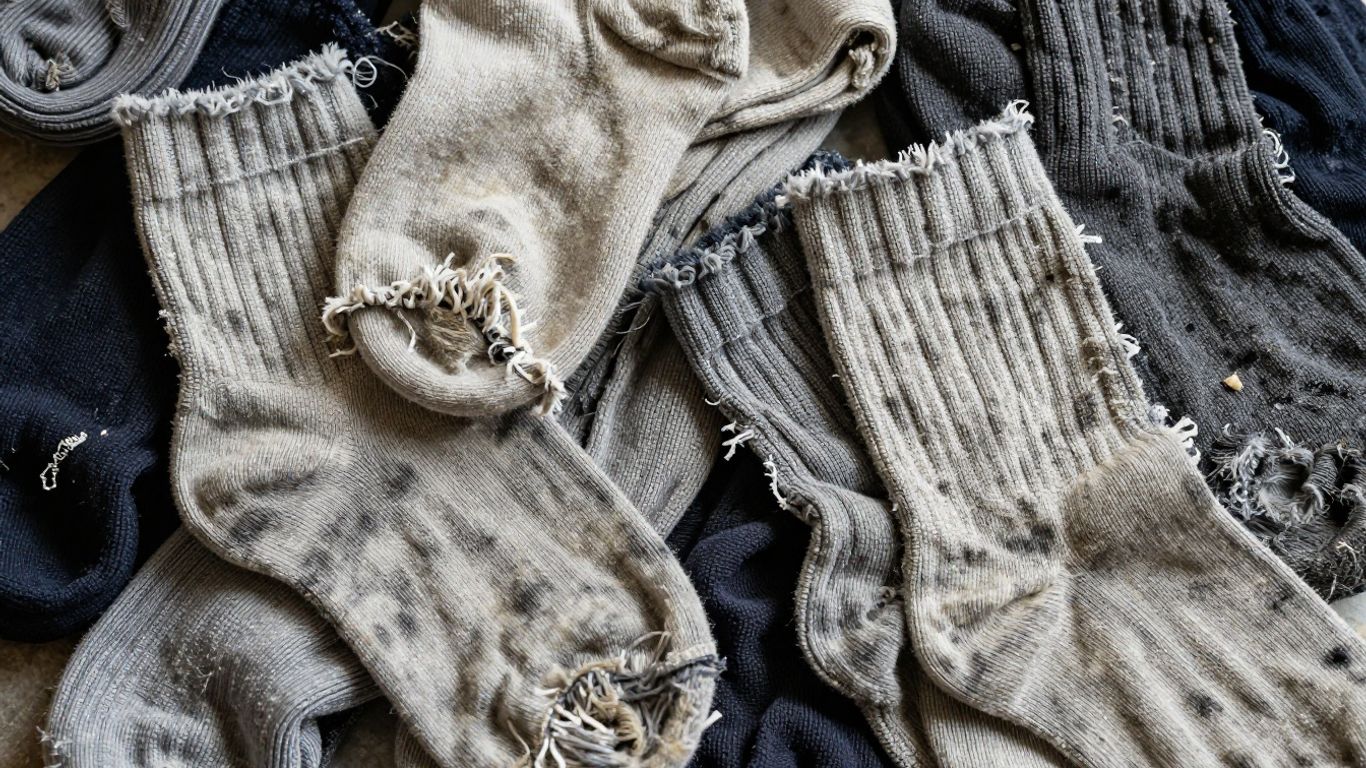
Dies ist normalerweise das offensichtlichste Zeichen. Achten Sie auf Löcher, besonders an stark beanspruchten Stellen wie Ferse, Ballen oder Zehen. Schon bevor ein richtiges Loch entsteht, können Sie „Fenstereffekte“ sehen – Stellen, an denen der Stoff so dünn geworden ist, dass Sie praktisch Ihre Haut hindurchsehen können. Dieser dünne Stoff bietet keinen Schutz und erhöht das Risiko schmerzhafter Reibungspunkte erheblich. Lose Fäden oder übermäßiges Pilling können sich auch an Ihren Zehennägeln oder im Inneren Ihrer Stiefel verhaken, was darauf hinweist, dass die Socken am Ende ihrer Lebensdauer sind.
Verlust von Elastizität und Form
Erinnern Sie sich, wie Ihre Socken früher Ihre Waden und Knöchel fest umschlossen? Wenn sie jetzt in Ihren Schuhen herunterrutschen, ist das ein klares Zeichen dafür, dass der Gummi nachgelassen hat. Das ist nicht nur ärgerlich; zusammengeknüllte Socken erzeugen Reibungspunkte in Ihren Stiefeln, was eine Hauptursache für Blasen ist. Sie können das testen, indem Sie Ihre Zehen bewegen; wenn der Stoff nicht in seine ursprüngliche Form zurückspringt, hat er seinen stützenden Halt verloren. Eine gute Passform ist entscheidend, um Reizungen zu vermeiden, und ausgeleierte Socken können das nicht mehr bieten. Wenn die diagonale Nahtlinie, an der der Bund auf den Sockenschaft trifft, beim flachen Aufsetzen des Fußes nicht in Richtung Ferse zeigt, könnte die Socke ihre Form verloren haben.
Anhaltende Gerüche nach dem Waschen
Riechen Ihre Socken auch nach gründlichem Waschen noch unangenehm? Das ist ein starkes Anzeichen dafür, dass der Stoff selbst beeinträchtigt ist. Schweiß muss verdunsten, und wenn die Socken ihre Aufgabe nicht erfüllen, gedeihen Bakterien. Bei manchen Menschen können bestimmte Bakterien an den Füßen einen besonders starken Geruch verursachen, und alte Socken verschlimmern das. Wenn Waschen mit Essig oder speziellen Waschmitteln den Geruch nicht beseitigt, ist es Zeit für ein frisches Paar. Anhaltende Gerüche bedeuten anhaltende Bakterien, was nicht gut für die Fußhygiene ist. Sie sollten Funktionsmischungen für bessere Geruchskontrolle in Betracht ziehen.
Wenn sich Ihre Socken nach dem Waschen steif oder krustig anfühlen, wie Pappe statt weicher Stoff, haben sie wahrscheinlich ihre Polsterungsfähigkeit verloren. Das passiert, wenn Fasern abbauen, was bedeutet, dass die Stoßdämpfung bei jedem Schritt abnimmt und die Füße schneller ermüden.
Anzeichen für beeinträchtigte Sockelfunktion
Ihre Arbeitssocken sind mehr als nur Stoff; sie sind eine wichtige Schutz- und Komfortschicht für Ihre Füße. Wenn sie anfangen zu versagen, werden Sie es merken. Es geht nicht nur darum, dass sie abgenutzt aussehen, sondern darum, wie sie sich im Alltag bewähren (oder eben nicht). Diese Anzeichen zu ignorieren kann zu einer Reihe von Fußproblemen führen, von lästigen Blasen bis hin zu ernsteren Beschwerden.
Ausdünnender Stoff und „Fensterpaneele“
Eines der ersten Anzeichen ist, dass der Stoff an bestimmten Stellen, besonders an Ferse und Ballen, sehr dünn wird. Das nennt man oft „Fensterpaneele“, weil das Material so durchsichtig wird, dass man fast die Haut sehen kann. Dieses Ausdünnen bedeutet, dass die Socke ihre Schutzfunktion verliert. Wenn das passiert, reibt der Schuh direkt auf der Haut, was schnell zu schmerzhaften Reibungsstellen und Blasen führt. Es ist ein klares Zeichen dafür, dass die strukturelle Integrität der Socke beeinträchtigt ist und sie keinen ausreichenden Schutz mehr bietet.
Flache oder fehlende Polsterung
Erinnern Sie sich an das weiche, stützende Gefühl, als Sie Ihre Arbeitssocken zum ersten Mal angezogen haben? Wenn dieses Gefühl weg ist und die Socken flach wirken und wenig Polsterung bieten, ist das ein großes Problem. Die Polsterung ist dafür da, Stöße zu absorbieren und den Druck auf Ihre Füße zu verringern, besonders an stark belasteten Stellen wie Ferse und Ballen. Wenn diese Polsterung abgenutzt ist, spüren Sie bei jedem Schritt mehr Aufprall, was zu schneller müden und schmerzenden Füßen führt. Sie können dies überprüfen, indem Sie die Dicke der Socke fühlen, besonders an diesen wichtigen Stellen, und sie mit einem neuen Paar vergleichen. Fühlt sie sich deutlich dünner an, ist es Zeit für einen Ersatz. Der Verlust der Polsterung kann auch dazu führen, dass die Socken durchhängen, was zu Falten im Schuh und mehr Reibung führt. Sie müssen sie vielleicht ständig richten, was ein Zeichen dafür ist, dass sie nicht mehr richtig sitzen.
Schlechte Feuchtigkeitsableitung
Gute Arbeitssocken sollten Schweiß von deiner Haut wegtransportieren und deine Füße trocken halten. Wenn deine Füße sich feucht oder klamm anfühlen, selbst wenn du nicht stark schwitzt, versagen deine Socken wahrscheinlich bei der Feuchtigkeitsableitung. Das ist mehr als nur unangenehm; feuchte Füße sind ein Nährboden für Bakterien und Pilze, was das Risiko für Probleme wie Fußpilz erhöht. Wenn Socken ihre Fähigkeit verlieren, Feuchtigkeit zu managen, bedeutet das oft, dass die Fasern selbst sich zersetzen oder verstopft sind. Das kann auch mit einem Elastizitätsverlust zusammenhängen, da eine enge Passform nötig ist, um Feuchtigkeit effektiv von der Haut wegzuziehen. Wenn deine Füße ständig feucht sind, ist das ein starkes Zeichen dafür, dass deine Socken ihre beste Zeit hinter sich haben und du solltest dir neue Performance-Socken ansehen.
Wenn deine Socken ihre Grundfunktionen – Schutzbarriere, Stoßdämpfung oder Feuchtigkeitsmanagement – nicht mehr erfüllen können, helfen sie deinen Füßen nicht mehr, sondern können ihnen sogar schaden. Es ist eine einfache Einschätzung: Fühlen sie sich noch gut und unterstützend an, oder tragen sie zu Unbehagen und Fußproblemen bei? Wenn Letzteres zutrifft, haben sie ihren Zweck erfüllt.
Hier sind einige schnelle Checks, um zu sehen, ob deine Socken beeinträchtigt sind:
- Das Material fühlen: Drücke auf Ferse und Fußballen. Ist die Polsterung noch spürbar oder fühlt es sich dünn und flach an?
- Transparenz überprüfen: Halte die Socke ans Licht. Kannst du besonders an den Stellen, wo dein Fuß sich beugt, leicht hindurchsehen?
- Passform bewerten: Bleiben die Socken den ganzen Tag oben oder rutschen sie ständig an deinem Knöchel oder Waden herunter?
- Trockenheit prüfen: Fühlen sich deine Füße nach einer Tragezeit ungewöhnlich feucht oder verschwitzt an?
Der Einfluss des Materials auf die Lebensdauer von Socken
Haltbarkeit von Baumwollsocken
Baumwolle ist eine beliebte Wahl für Socken, weil sie atmungsaktiv ist und sich weich auf der Haut anfühlt. Wahrscheinlich hast du eine Menge Baumwollsocken zu Hause. Wenn es jedoch um Arbeitssocken geht, die viel aushalten müssen, hat Baumwolle einige ernsthafte Nachteile. Sie saugt Feuchtigkeit wie ein Schwamm auf und gibt sie nicht leicht wieder ab. Das bedeutet, dass deine Füße feucht bleiben können, was ein idealer Nährboden für allerlei Fußgeruch ist. Außerdem sind Baumwollfasern nicht besonders robust. Sie neigen dazu, mit der Zeit auszuleiern, verlieren ihre Form und Elastizität. Du wirst merken, dass sie schlabberig werden und an deinem Bein herunterrutschen, was sehr nervig ist. Sie nutzen sich auch ziemlich schnell ab, besonders an stark beanspruchten Stellen wie der Ferse und dem Fußballen. Für den regelmäßigen Arbeitseinsatz haben Baumwollsocken oft die kürzeste Lebensdauer und müssen typischerweise alle 3 bis 6 Monate ersetzt werden.
Merinowolle und Performance-Mischungen
Kommen wir nun zu Materialien, die für Langlebigkeit gebaut sind. Merinowolle ist ein echter Game-Changer für Arbeitssocken. Sie ist von Natur aus gut darin, Feuchtigkeit zu managen, indem sie diese von der Haut wegzieht und Ihre Füße trockener hält. Außerdem ist sie überraschend warm bei Kälte und atmungsaktiv bei Wärme. Einer der besten Vorteile? Merinowolle ist von Natur aus geruchsresistent, sodass Ihre Socken nicht schon nach einmaligem Tragen unangenehm riechen. Socken aus hochwertiger Merinowolle, wie diese Merino Wool No Show Socks, können bei richtiger Pflege oft ein Jahr oder länger halten. Performance-Mischungen, die oft Wolle mit synthetischen Fasern wie Nylon oder Polyester kombinieren, versuchen, das Beste aus beiden Welten zu vereinen – Langlebigkeit, Feuchtigkeitsableitung und Komfort. Diese Art von Socken ist eine solide Investition, wenn Sie den ganzen Tag auf den Beinen sind. Sie sind darauf ausgelegt, den Anforderungen langer Arbeitsschichten standzuhalten und bieten hervorragendes Feuchtigkeitsmanagement und Polsterung.
Überlegungen zu synthetischen Fasern
Synthetische Fasern wie Polyester, Nylon und Acryl werden häufig in Arbeitssocken verwendet, da sie in der Regel langlebig sind und für bestimmte Leistungsmerkmale entwickelt werden können. Sie neigen dazu, nicht zu schrumpfen und ihre Form gut zu behalten, was bedeutet, dass sie nicht so schnell durchhängen wie Baumwolle. Viele synthetische Socken sind außerdem so konzipiert, dass sie Feuchtigkeit effektiv ableiten und Ihre Füße trockener halten als Baumwolle. Allerdings können einige synthetische Materialien manchmal mehr Gerüche festhalten als natürliche Fasern wie Wolle, besonders wenn sie nicht richtig gewaschen werden. Die Lebensdauer synthetischer Socken kann stark variieren, abhängig von der Qualität der Mischung und der Verarbeitung der Socke. Günstigere synthetische Socken halten vielleicht nur 6 bis 12 Monate, während hochwertigere mit verstärkten Bereichen länger halten können. Es ist ratsam, bei der Wahl synthetischer Arbeitssocken die genaue Materialzusammensetzung und Herstellerangaben zur Haltbarkeit zu prüfen.
Das Material, aus dem Ihre Socken gefertigt sind, macht einen großen Unterschied darin, wie lange sie halten und wie gut sie Ihre Füße schützen. Während günstigere Optionen zunächst verlockend erscheinen mögen, bedeutet die Investition in bessere Materialien oft weniger Ersatzkäufe und glücklichere Füße.
Schutz für Ihre Füße mit frischen Socken
Denken Sie daran: Ihre Füße leisten den ganzen Tag, jeden Tag Schwerstarbeit. Sie stecken in Schuhen, schwitzen und schlagen auf den Boden (oder die Fabrikhalle). Die Socken, die Sie wählen, sind Ihre erste Verteidigungslinie, um sie glücklich und gesund zu halten. Alte, abgenutzte Socken zu tragen ist wie ein Marathonlauf in Flip-Flops – das wird einfach kein gutes Ende nehmen.
Blasen und Reizungen vorbeugen
Wenn Ihre Socken ihre Form verlieren oder dünne Stellen bekommen, können sie sich in den Schuhen zusammenziehen. Das erzeugt Reibung, und Reibung ist der Hauptverursacher von unangenehmen Blasen und wunden Stellen. Frische Socken mit passender Passform und Polsterung wirken als glatte Barriere zwischen Haut und Schuh. Das bedeutet weniger Reibung und deutlich weniger schmerzhafte Momente im Laufe des Tages. Besonders bei Arbeitsschuhen sollten Sie Socken wählen, die dem Druck standhalten und Ihre Haut schützen. Socken mit Blasenschutz sind hier eine gute Wahl.
Fußhygiene erhalten
Ihre Füße schwitzen, das ist eine Tatsache. Gute Socken sind so konzipiert, dass sie die Feuchtigkeit von der Haut wegtransportieren und die Füße trockener halten. Alte Socken, besonders solche aus Materialien, die nicht gut atmen oder ihre Feuchtigkeitsableitung verloren haben, speichern den Schweiß einfach. Dieses feuchte Milieu ist ein Nährboden für Bakterien und Pilze, was zu unangenehmen Problemen wie Fußpilz oder hartnäckigen Gerüchen führen kann. Das regelmäßige Ersetzen Ihrer Socken verhindert, dass diese bakterielle Party beginnt.
Für ganztägigen Komfort sorgen
Frische Socken fühlen sich nicht nur besser an, sie verhindern auch Probleme. Sie haben die richtige Dehnbarkeit, um oben zu bleiben, ohne einzuschneiden, und die Polsterung fühlt sich unterstützend an, nicht flach und nutzlos. Wenn Ihre Socken ihre Aufgabe richtig erfüllen, können Sie sich auf Ihre Arbeit konzentrieren, statt an Ihre Füße zu denken. Es ist erstaunlich, wie viel ein gutes Paar Socken zum allgemeinen Komfort beiträgt, besonders nach stundenlangem Stehen. Die Investition in hochwertige Socken, wie solche aus Merinowollmischungen, zahlt sich in puncto täglichem Komfort und Wohlbefinden der Füße wirklich aus.
Die Lebensdauer Ihrer Arbeitssocken verlängern
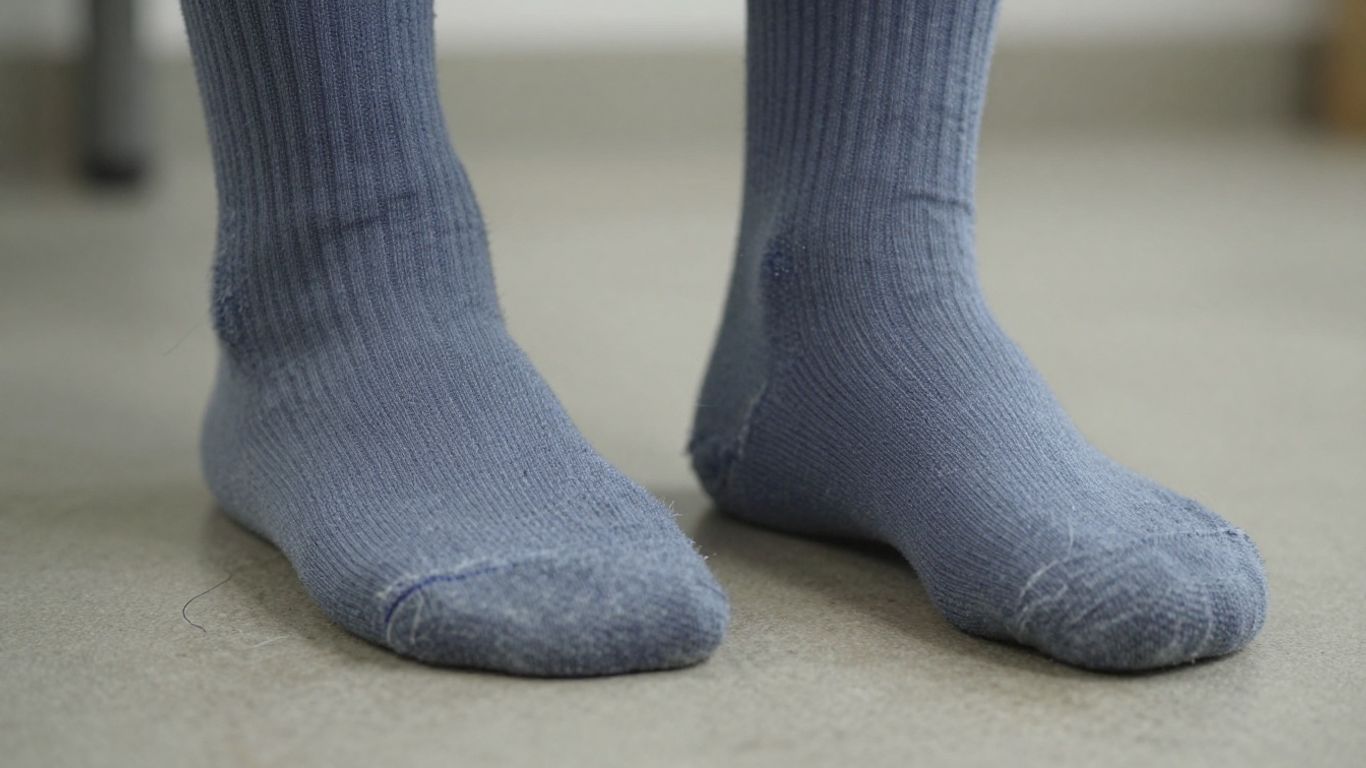
Sie wissen also genau, wann Ihre Arbeitssocken ihre beste Zeit hinter sich haben. Aber wie hält man die vorhandenen Socken so lange wie möglich in gutem Zustand? Es ist keine Raketenwissenschaft, aber ein paar einfache Gewohnheiten können wirklich einen Unterschied machen. Betrachten Sie es als eine kleine Extra-Liebe für Ihre Füße, indem Sie sich um ihre wichtigsten Schutzschichten kümmern.
Richtige Waschmethoden
Wie Sie Ihre Socken waschen, ist wichtiger, als Sie vielleicht denken. Sie einfach mit Ihrer normalen Wäsche im heißen Waschgang zu waschen, ist der schnellste Weg, ihre Elastizität und Stoffqualität zu ruinieren. Versuchen Sie stattdessen Folgendes:
- Drehen Sie Ihre Socken vor dem Waschen auf links. Das schützt die äußeren Fasern vor übermäßiger Reibung und Pilling.
- Verwenden Sie kaltes oder lauwarmes Wasser. Hohe Temperaturen sind der Feind von elastischen Fasern wie Elasthan, die Ihre Socken eng anliegend halten.
- Wählen Sie einen Schonwaschgang, falls Ihre Maschine einen hat.
- Beim Trocknen ist Lufttrocknung die beste Wahl. Legen Sie die Socken flach zum Trocknen aus, anstatt sie aufzuhängen, da dies sie dehnen kann. Wenn Sie einen Trockner verwenden müssen, wählen Sie die niedrigste mögliche Temperatur. Dieser Prozess hilft, ihre Form zu bewahren und verhindert das Einlaufen.
Die Vorteile der Sockenrotation
Das Tragen desselben Sockenpaares Tag für Tag führt garantiert dazu, dass sie schneller abgenutzt werden. Wenn Sie Ihre Sockensammlung rotieren, bekommt jedes Paar die Chance, sich zu erholen. Diese einfache Maßnahme reduziert die Belastung der Fasern und verhindert, dass sie an wichtigen Stellen dauerhaft gedehnt oder dünn werden. Außerdem haben die Socken so Zeit, zwischen den Tragezeiten vollständig zu trocknen, was sowohl für die Socken als auch für die Fußhygiene gut ist. Versuchen Sie, genug Paare zu haben, damit Sie nicht ständig dieselben tragen. Diese Praxis kann die Lebensdauer Ihrer gesamten Sockenschublade erheblich verlängern und jedes Paar hält länger, als wenn Sie sie nacheinander tragen würden. Eine kleine Änderung, die sich für Ihren Fußkomfort richtig auszahlt.
Investition in hochwertige Paare
Auch wenn es kontraintuitiv erscheinen mag, kann es sich langfristig auszahlen, anfangs etwas mehr für ein hochwertigeres Paar Arbeitssocken auszugeben. Socken aus strapazierfähigen Materialien wie Merinowolle oder robusten synthetischen Mischungen, oft mit verstärkten Fersen und Zehen, sind darauf ausgelegt, mehr Abnutzung zu überstehen. Diese Socken kosten zwar zunächst mehr, halten aber in der Regel viel länger als günstigere Alternativen. Denken Sie daran: Wenn ein 5-Dollar-Paar nach drei Monaten abgenutzt ist und ein 15-Dollar-Paar ein Jahr hält, sparen Sie tatsächlich Geld und Ärger, wenn Sie sich für die bessere Qualität entscheiden. Außerdem bieten sie oft besseren Halt und Feuchtigkeitsmanagement – ein Gewinn für Ihre Füße. Die Wahl von Socken, die für anspruchsvollere Bedingungen entwickelt wurden, kann einen echten Unterschied machen.
Alte Socken können Bakterien beherbergen und ihre stützenden Eigenschaften verlieren, was zu Unbehagen und möglichen Fußproblemen führt. Ein paar Minuten mehr Pflege für deine Socken sind eine kleine Investition in deine Fußgesundheit und deinen täglichen Komfort.
Willst du, dass deine Arbeitssocken länger halten? Es ist einfacher als du denkst! Einfache Schritte können sie stark und bequem halten, was dir Geld und Ärger spart. Bereit, deinen Socken ein längeres Leben zu schenken? Besuche unsere Website für Tipps und Tricks, die wirklich funktionieren.
Also, wann wirfst du diese alten Socken weg?
Schau, wir alle haben dieses eine Paar Socken, das wir einfach immer wieder tragen. Vielleicht sind sie bequem, vielleicht vergisst du sie einfach. Aber wenn du Löcher, dünne Stellen oder rutschende Bündchen bemerkst, ist es wahrscheinlich Zeit, sie wegzugeben. Alte Socken können tatsächlich Probleme verursachen, wie Blasen oder einfach ein unangenehmes Gefühl an den Füßen. Gönn deinen Füßen also eine Pause und schau in deine Sockenschublade. Ein frisches Paar fühlt sich doch gleich viel besser an, oder?
Häufig gestellte Fragen
Wie oft sollte ich wirklich neue Socken kaufen?
Für Alltagssocken solltest du sie alle sechs Monate bis ein Jahr austauschen. Wenn du aber sehr aktiv bist oder unter harten Bedingungen arbeitest, brauchst du vielleicht schon alle 3 bis 6 Monate neue. Es kommt mehr auf die Abnutzungserscheinungen als auf den Kalender an!
Was ist das größte Anzeichen dafür, dass meine Socken abgenutzt sind?
Schau natürlich nach Löchern! Aber prüfe auch Stellen, die sehr dünn und fast durchsichtig sind, besonders an Fersen oder Ballen. Dieses „Fensterpaneel“-Phänomen bedeutet, dass sie dich nicht mehr schützen können.
Meine Socken rutschen ständig runter. Sind sie wirklich hinüber?
Ja! Wenn deine Socken ihre Elastizität verlieren und anfangen zu rutschen, ist der Gummi kaputt. Das ist nicht nur nervig, sondern kann dazu führen, dass sich die Socken in den Schuhen zusammenziehen und schmerzhafte Blasen verursachen.
Können alte Socken wirklich Fußprobleme verursachen?
Absolut. Abgenutzte Socken verlieren ihre Polsterung, was weniger Stoßdämpfung beim Gehen bedeutet. Das kann dazu führen, dass deine Füße schneller müde und wund werden. Außerdem schützen dünne oder beschädigte Socken die Haut nicht gut, was Blasen und Reizungen wahrscheinlicher macht.
Warum riechen meine sauberen Socken trotzdem schlecht?
Wenn eine Socke nach dem Waschen immer noch unangenehm riecht, ist das ein Zeichen dafür, dass das Gewebe abgenutzt ist und sich Bakterien tief eingenistet haben. Diese Gerüche sind schwer komplett herauszuwaschen, und das bedeutet, dass die Socke nicht mehr so hygienisch ist, wie sie sein sollte.
Spielt das Material meiner Socken eine Rolle dafür, wie lange sie halten?
Definitiv. Baumwollsocken nutzen sich schneller ab als Socken aus Materialien wie Merinowolle oder Funktionsmischungen. Während Baumwolle bequem ist, wird sie schneller dünn und verliert ihre Form. Wolle und spezielle Mischungen sind oft langlebiger und besser im Umgang mit Feuchtigkeit.