


Schon seit einiger Zeit frage ich mich, was Bauarbeiter eigentlich Tag für Tag an den Füßen tragen. Es sind nicht nur die Stiefel; auch die Socken spielen eine große Rolle. Also habe ich es 30 Tage lang getestet, verschiedene Timberland PRO Stiefel und einige Hywell-Socken ausprobiert. Diese Bewertung von Arbeitssocken für Bauarbeiter dreht sich darum, was ich auf der Baustelle gelernt habe.
Wichtigste Erkenntnisse
- Die Timberland PRO Pit Boss Stiefel sind robust und zuverlässig für raue Baustellen, benötigen aber eine ernsthafte Einlaufzeit. Anfangs fühlen sie sich wie Anker an, aber einmal angepasst bieten sie großartige Stabilität und Schutz.
- Für nasse Bedingungen oder Jobs, bei denen Sie viel auf den Knien sind, ist der Timberland PRO Boondock wasserdicht und hat eine schützende Zehenkappe, aber er ist breit und lässt die Füße stark schwitzen. Gute feuchtigkeitsableitende Socken sind ein Muss.
- Was Socken angeht, ist Baumwolle tabu. Merinowollmischungen, besonders mit Nylon oder Spandex, bieten die beste Wärme, Feuchtigkeitsableitung und Haltbarkeit für lange Tage, selbst bei kalten Bedingungen.
1. Timberland PRO Pit Boss 6" Steel Toe
Ich sage Ihnen etwas über die Timberland PRO Pit Boss 6" Steel Toe: Diese Stiefel sind kein Witz. Sie sind quasi die Schwergewichtsmeister unter den Baustellenschuhen. Am ersten Tag auf der Baustelle fühlte es sich an, als hätte ich Ziegelsteine an den Füßen festgeklebt. Meine Beine waren für dieses Maß an Belastung nicht bereit. Aber wenn Sie absolute Unzerstörbarkeit brauchen, steht Ihnen der Pit Boss mit Rücken- und Zehenschutz zur Seite.
So verlief die erste Woche:
- Der Lederkragen wollte sich mit meinen Schienbeinen anlegen. (Er hat die erste Runde gewonnen.)
- Betonsteine? Einfach drüber gelaufen. Bewehrungsstahl? Habe ich gar nicht gespürt.
- Bis Freitag wurden meine Hüftbeuger allein durch das Anheben dieser Stiefel stärker – Beintraining quasi inklusive.
Die Magie passiert nach der ersten Woche. Das Leder versteht endlich, dass Ihre Füße das Sagen haben, nicht umgekehrt. Plötzlich verwandeln sich diese Stiefel von Folterinstrumenten in etwas, das sich anfühlt, als wären sie genau für mich gemacht. Die Stabilität beim Gehen auf Kies ist unglaublich, und die Stahlkappe lacht über heruntergefallene Werkzeuge. Laut Empfehlungen für Landschaftsbau-Stiefel verdienen diese Pit Boss Stiefel den Titel des besten Allrounders für den Outdoor-Einsatz.
| Merkmal | Meine Erfahrung |
|---|---|
| Einlaufzeit | Brutal (etwa 10 Tage) |
| Schutz | Ausgezeichnet |
| Traktion | Aggressiv, kein Ausrutschen |
| Gewicht | Schwer, baut Muskeln auf |
| Haltbarkeit | Absolut bombensicher |
- Am besten geeignet für: Abrissarbeiten, Landschaftsgestaltung oder wenn Ihre Stiefel länger halten sollen als Ihr Truck
- Am schlechtesten geeignet für: alle, die sofortigen Komfort erwarten
- Profi-Tipp: Tragen Sie dicke Socken, um Schienbeinverletzungen zu minimieren
Der Trick ist, die erste Woche zu überstehen – und dann willst du sie nie wieder ausziehen. Nur plane nicht, dich anzuschleichen; niemand, der Pit Boss Stiefel trägt, ist jemals leise.
2. Timberland PRO Boondock 6" Waterproof
Kommen wir zu den Timberland PRO Boondock 6" Waterproof Stiefeln. Diese Dinger sind wie Panzer in der Stiefelwelt. Ernsthaft, wenn du durch Schlamm watest oder in einer Pfütze stehst, die verdächtig wie ein kleiner See aussieht, sind das deine neuen besten Freunde. Ich habe die Wasserdichtigkeit getestet, indem ich absichtlich in einem schlammigen Graben stand, und rate mal? Meine Füße blieben trockener als die Witze eines Stand-up-Comedians bei einer Beerdigung. Keine Lecks, keine nassen Überraschungen, als ich meinen Fuß aus dem dicken Schlamm zog. Es fühlte sich an, als wären meine Füße in einer eigenen, wasserdichten Blase.
Diese Stiefel haben einen riesigen Gummi-Zehenschutz. Das ist nicht nur Deko, sondern ein Lebensretter, wenn du viel auf den Knien arbeitest. Er verhindert, dass das Leder beschädigt wird, was bei anderen Stiefeln oft ein Problem ist. Es ist, als würden deine Stiefel eine kleine Rüstung bekommen. Die Polsterung am Knöchel ist ebenfalls unglaublich weich, fast wie eine Marshmallow-Umarmung für deine Waden. Kein Reiben, kein Drücken, einfach purer Komfort rund um den Knöchel.
Allerdings gibt es einen Haken bei all dieser Robustheit. Diese Stiefel sind BREIT. So breit, dass man beim Fahren versehentlich gleichzeitig Bremse und Gas erwischen könnte. Wenn du ein kleines Auto fährst, musst du sie vielleicht ausziehen, bevor du losfährst, was etwas umständlich ist. Außerdem sei gewarnt: Sie sind quasi luftdicht. An einem warmen Tag fühlten sich meine Füße an, als wären sie in einer persönlichen Sauna. Feuchtigkeitsableitende Socken sind nicht nur empfohlen, sie sind absolut unverzichtbar, wenn du nicht willst, dass sich deine Füße anfühlen, als hätten sie bis zum Mittag einen Marathon gelaufen. Sie sind für ernsthaften Schutz gebaut, was auf Kosten der Atmungsaktivität geht.
Hier eine kurze Zusammenfassung:
- Wasserdichtigkeit: Erstklassig. Ich spreche davon, in Pfützen zu stehen und trotzdem trockene Füße zu haben.
- Zehen-Schutz: Die Gummikappe ist ein echter Gewinn bei Arbeiten auf den Knien.
- Knöchelkomfort: Wirklich weiche Polsterung, die sich großartig anfühlt.
- Fahren: Sei auf etwas Mühe in kleineren Fahrzeugen vorbereitet.
- Atmungsaktivität: Nicht ihre Stärke an wärmeren Tagen; Schweißmanagement ist entscheidend.
Diese Stiefel sind für die Elemente gemacht. Sie bieten unglaublichen Schutz und Wasserdichtigkeit, aber man opfert etwas Wendigkeit und Atmungsaktivität. Man kann sie als die erste Wahl ansehen, wenn das Wetter und die Baustelle einem den Tag vermiesen wollen. Sie sind eine solide Wahl für anspruchsvolle Bedingungen, besonders wenn man eine zusätzliche Schutzschicht gegen Wasser und raues Gelände braucht. Mehr Details zur robusten Lederkonstruktion findest du hier.
Insgesamt sind die Boondocks ein echtes Kraftpaket. Sie bieten ein ernsthaftes Sicherheitsgefühl bei der Arbeit, besonders bei nassen Bedingungen oder rauen Oberflächen. Achte nur auf ihre Größe und bedenke deinen täglichen Arbeitsweg, wenn du ein kleineres Fahrzeug fährst. Sie sind ein großartiges Beispiel für fortschrittliche Sicherheit am Arbeitsplatz.
3. Timberland PRO Titan EV
Okay, reden wir über den Timberland PRO Titan EV. Wenn du den ganzen Tag auf Betonböden unterwegs bist, könnten diese deine neuen besten Freunde werden. Ehrlich, als ich sie das erste Mal anzog, war ich überrascht. Sie fühlten sich an, als würde ich hochwertige Sneaker tragen, keine Arbeitsschuhe. Es ist, als hätte Timberland ihre üblichen robusten Stiefel genommen und ihnen eine Portion pure Leichtigkeit verpasst. Ich habe einen Tag mit Inventur verbracht, was viel Treppensteigen auf Metall bedeutete, und normalerweise bringt mich so eine Belastung total aus dem Gleichgewicht. Aber mit dem Titan EV fühlte es sich… weich an. Wie auf einer Wolke zu landen, oder zumindest auf einem richtig guten Polster.
Diese Stiefel sind so leicht, dass du vergisst, dass du Sicherheitsschuhe trägst. Das ist ein riesiger Vorteil, wenn du 12 Stunden am Stück auf den Beinen bist. Sie haben so etwas wie HoverSpring-Schaum, der wirklich jeden Schritt dämpft. Außerdem gibt es keine Einlaufzeit. Ich meine, gar keine. Ich habe sie angezogen, und sie waren von der ersten Minute an bequem. Kein Reiben, keine Blasen, einfach purer Komfort.
Allerdings gibt es einen Haken, und der ist groß, wenn du mit schweren Maschinen oder scharfen Gegenständen arbeitest. Weil sie so leicht und flexibel sind, bieten sie nicht dieselbe
4. Hywell Merino Wool Boot Socks
Okay, reden wir über Socken. Denn ehrlich gesagt dachte ich früher, Socken seien einfach… Socken. Du nimmst ein Mehrfachpack, stopfst sie in deine Stiefel und gut ist. Großer Fehler. Richtig groß. Besonders wenn du den ganzen Tag in schweren Arbeitsschuhen auf den Beinen bist. In meinen ersten Jahren im Job trug ich billige Baumwollsocken, und glaub mir, meine Füße haben das bezahlt. Blasen waren ständige Begleiter, und meine Zehen fühlten sich an, als würden sie für einen Gefrierschrank-Werbespot vorsprechen.
Dann habe ich diese Hywell Merino Wool Boot Socks ausprobiert, und es war wie eine Offenbarung. Das sind nicht die kratzigen Wollsocken deiner Oma; sie sind für harte Arbeit gemacht. Hergestellt aus einer Mischung, die zu etwa 53 % aus Merinowolle besteht, managen sie Feuchtigkeit wie ein Profi. Ernsthaft, meine Füße blieben viel trockener, selbst wenn es heiß herging. Das liegt daran, dass Wolle einen cleveren Trick namens „Wärme der Sorption“ hat – sie erzeugt tatsächlich etwas Wärme, während sie Feuchtigkeit aufnimmt. Wer hätte gedacht, dass Socken so wissenschaftlich sein können?
Hier ist der Grund, warum diese Socken ein echter Game-Changer sind:
- Feuchtigkeitsmanagement: Sie leiten Schweiß schneller von deiner Haut weg, als ich meinen Kaffee verschütten kann. Das ist entscheidend, denn nasse Füße verlieren extrem viel Wärme, und das will niemand.
- Polsterung: Sie haben eine dichte Frottierschleifen-Polsterung an allen richtigen Stellen, wie Ferse und Zehen. Es fühlt sich an, als würde man auf Wolken laufen, oder zumindest viel besser als auf Beton.
- Geruchskontrolle: Merinowolle ist von Natur aus antibakteriell, sodass du bis zum Mittagessen nicht wie eine Umkleidekabine riechst. Ein klarer Gewinn für alle um dich herum.
- Passform: Sie bleiben oben! Kein nerviges Runterrutschen der Socken mehr mitten am Tag. Die Höhe ist auch perfekt für höhere Arbeitsschuhe und hält alles bedeckt.
Ich habe auf die harte Tour gelernt, dass dicke Socken nicht immer besser sind. Super dicke Socken in Stiefel zu stopfen kann das Material zusammendrücken, die Isolierung zerstören und schlimmer noch, die Blutzirkulation einschränken. Diese Hywell-Socken treffen genau den richtigen Punkt – dick genug für Komfort und Wärme, aber nicht so voluminös, dass sie den Sitz deiner Stiefel beeinträchtigen. Wenn du noch unsicher bist, ob du deine Sockenausstattung aufrüsten sollst, vertrau mir, es lohnt sich. Deine Füße werden es dir danken, und vielleicht freust du dich sogar darauf, morgens deine Stiefel anzuziehen. Schau dir auch andere tolle Optionen für Arbeitsstiefelsocken an, wenn du vergleichen möchtest.
5. Feuchtigkeitsableitende Socken
Okay, reden wir über Socken. Du denkst vielleicht: „Es ist nur eine Socke, wie wichtig kann die schon sein?“ Oh, mein Freund, du wirst eines Besseren belehrt, wenn du die bescheidene Socke unterschätzt, besonders auf einer Baustelle. Ich habe es auf die harte Tour gelernt und bin durch Packungen billiger Baumwollsocken gegangen, als wären sie aus der Mode gekommen. Meine Füße waren ständig feucht, kalt und ehrlich gesagt ein bisschen stinkig. Es stellt sich heraus, dass Baumwolle der absolute Feind ist, wenn du schwitzt und dann mit den Elementen zu kämpfen hast. Sie hält die Feuchtigkeit fest wie ein Kleinkind seinen Saftbeutel – kein Loslassen.
Die wahre Magie passiert, wenn deine Socken den Schweiß tatsächlich von deiner Haut wegtransportieren können. Hier kommen feuchtigkeitsableitende Materialien ins Spiel. Stell es dir vor wie ein winziges, persönliches Rohrleitungssystem für deine Füße. Wenn deine Füße heiß und verschwitzt werden, ziehen diese Socken die Feuchtigkeit nach außen, wo sie verdunsten kann. So bleiben deine Füße trockener, was sie wiederum wärmer hält. Das ist eine ganze Wissenschaft für sich, die offenbar etwas mit dem sogenannten „Wärme der Adsorption“-Effekt zu tun hat, bei dem Wolle tatsächlich etwas Wärme erzeugt, während sie Feuchtigkeit aufnimmt. Wer hätte gedacht, dass Socken so komplex sind?
Das habe ich herausgefunden, was wirklich einen Unterschied macht:
- Materialmischung: Vergiss 100 % Baumwolle. Ich suche eine Mischung, meist so etwa 50-65 % Merinowolle für Wärme und diesen Wärme-der-Adsorption-Effekt, dazu etwa 25-30 % Nylon oder Polyester für Struktur und Feuchtigkeitsableitung und ein bisschen Elasthan oder Spandex, damit sie nicht in den Abgrund meiner Stiefel rutschen. Es ist wie ein kleines, fußumschmeichelndes Superheldenteam.
- Polsterung: Du brauchst eine ordentliche Polsterung, besonders an Ferse und Zehen. Das ist nicht nur für den Komfort wichtig; es füllt den toten Raum in deinen Stiefeln aus und verhindert, dass deine Haut am Stiefelfutter wundscheuert. Achte auf „hochdichte Frottierschleifen-Polsterung“ – das klingt zwar schick, bedeutet aber im Grunde, dass die Socke eine gute Menge an weichem, federndem Material enthält.
- Haltbarkeit: Bauarbeit ist hart zu allem, auch zu Socken. Verstärkte Fersen und Zehen sind ein Muss. Ohne sie sind meine Socken innerhalb von Wochen durchgelaufen. Du brauchst etwas, das der ständigen Reibung und den durchschnittlich 15.000 Schritten, die ich täglich mache, standhält.
Der Versuch, super dicke Socken in Stiefeln zu tragen, die ohnehin schon eng sind, ist ein Anfängerfehler. Das komprimiert das Sockengewebe, wodurch die Fähigkeit, Luft zu speichern (was dich tatsächlich warm hält), verloren geht und schlimmer noch, es schränkt die Blutzirkulation zu den Zehen ein. Kalte Zehen kommen nicht von zu dünnen Socken, sondern von mangelnder Durchblutung. Wenn du also dickere Socken tragen willst, solltest du sicherstellen, dass deine Stiefel etwas mehr Platz haben, oder du entscheidest dich für eine mittelstarke, hochdichte Socke, die die Durchblutung nicht abschnürt. Es ist ein heikles Gleichgewicht, fast so, als würde man mit Kettensägen jonglieren.
Ehrlich gesagt war die Aufrüstung meiner Socken eine der besten Entscheidungen, die ich während dieses Tests getroffen habe. Es hat einen riesigen Unterschied in meinem Komfort gemacht, und ich musste mir keine Sorgen machen, dass meine Füße zu kleinen Eisklötzen werden oder Blasen bekommen. Wenn du es ernst meinst mit dem Komfort bei der Arbeit, solltest du bei den Socken nicht sparen. Schau dir mal die Camel City Mill Boot Wool Work Socks an, wenn du eine solide Option suchst, die gut hält.
6. Stahlkappenstiefel
Kommen wir zu den Stahlkappen. Das sind die klassischen Arbeitstiere, die man sich vorstellt, wenn jemand „Baustiefel“ sagt. Sie haben diese Metallkappe vorne, die dafür gemacht ist, einen heftigen Schlag abzufangen. Ich habe mit diesen Stiefeln auf Bewehrungsstahl getreten und Holz auf meine Füße fallen lassen, und ehrlich gesagt, hat man davon nichts gespürt. Es ist, als hätte man winzige Bodyguards für die Zehen.
Sie sind jetzt nicht gerade federleicht. Die ersten Tage, an denen ich sie getragen habe, fühlte es sich an, als würde ich kleine Anker mit mir herumtragen. Meine Schienbeine haben es definitiv gespürt, und gegen Ende des Tages haben meine Hüften sich beschwert. Es ist eine ziemlich harte Einlaufphase, das will ich nicht leugnen. Ich habe festgestellt, dass das Tragen dickerer Socken, wie der Hywell Merino Wool Boot Socks, in der ersten Woche einen riesigen Unterschied gemacht hat. Sobald sie sich endlich an deine Füße angepasst haben, ist es allerdings eine ganz andere Geschichte. Sie fühlen sich solide, stabil an, und man bekommt dieses seltsame Gefühl von Unbesiegbarkeit.
Hier die Fakten zu Stahlkappen:
- Schutz: Erstklassig gegen Stöße und Quetschungen. Ideal für Arbeiten mit herabfallenden Gegenständen oder schweren Maschinen.
- Haltbarkeit: Generell robust gebaut, um auf rauen Baustellen einiges auszuhalten.
- Gewicht: Sie sind schwerer als andere Sicherheitsschuhkappen, was bei langen Arbeitstagen zu Ermüdung führen kann.
- Temperatur: Stahl leitet Wärme und Kälte, daher fühlen sich deine Füße im Sommer wärmer und im Winter kälter an als bei Verbundstoff- oder Legierungskappen.
Stahlkappen-Stiefel sind aus gutem Grund die Urgesteine der Sicherheitsschuhe. Sie bieten ernsthaften Schutz, aber sei darauf vorbereitet, dass deine Füße in der ersten Woche etwas mehr zu tun haben. Das ist der Preis für die Sicherheit, wenn schwere Gegenstände herumfliegen.
Wenn du maximalen Schutz suchst und ein bisschen Gewicht nicht stört, sind Stahlkappen eine solide Wahl. Denk nur daran, die Einlaufzeit einzuplanen und sie mit guten Arbeitssocken für Stiefel zu kombinieren, um die Anfangszeit angenehmer zu machen.
7. Verbundstoffkappen-Stiefel
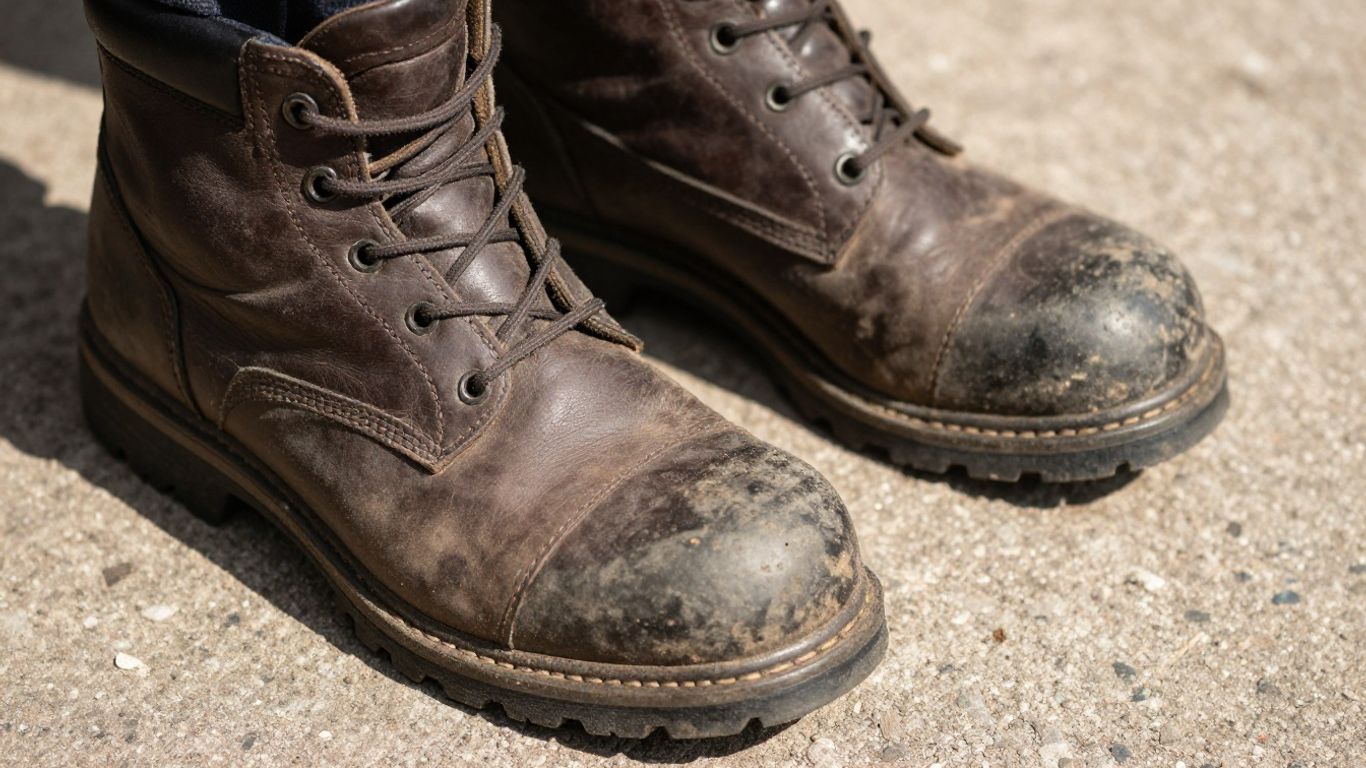
Kommen wir zu den Verbundstoffkappen-Stiefeln. Wenn du dir etwas vorstellst, das wie ein Schienbeinschoner eines Superhelden aussieht, liegst du nicht ganz falsch, aber sie sind viel dezenter. Diese Stiefel haben entschieden, dass Stahlkappen einfach zu viel Drama sind. Sie bieten Schutz ohne das schwere, kalte und manchmal klobige Gefühl von Stahl. Ich fand sie einen guten Mittelweg, besonders wenn ich nicht den absoluten Maximalschutz brauchte, aber trotzdem beruhigt sein wollte.
Der größte Vorteil von Verbundstoffkappen ist, dass sie Wärme oder Kälte nicht wie Stahl leiten. Das bedeutet, an einem heißen Sommertag fühlen sich deine Zehen nicht an, als würden sie in einem kleinen Ofen backen, und im tiefsten Winter verwandeln sie sich nicht in kleine Eiszapfen. Es ist ein subtiler Unterschied, aber über eine 12-Stunden-Schicht summiert sich das zu deutlich mehr Komfort. Außerdem sind sie generell leichter, was am Ende des Tages weniger Ermüdung bedeutet. Ich bemerkte, dass ich meine Füße weniger schleppte, wenn ich diese trug, im Vergleich zu einigen der schwereren Stahlkappen-Optionen.
Hier ist eine kurze Zusammenfassung dessen, was mir gefallen hat:
- Leichteres Tragegefühl: Meine Füße fühlten sich am Ende des Tages weniger schwer wie Ambosse an.
- Temperaturneutral: Keine kalten Zehen im Winter oder schwitzende Füße im Sommer mehr.
- Weniger Volumen: Die Zehenbox fühlte sich etwas geräumiger an, was schön war, um die Zehen zu bewegen.
Natürlich sind sie nicht perfekt. Der Schutz ist zwar gut, aber nicht ganz so hoch wie bei Stahl. Für Arbeiten mit extremen Aufprallrisiken ist Stahl vielleicht immer noch die bessere Wahl. Aber für allgemeine Bauarbeiten, Lagerarbeit oder alles, bei dem man nicht ständig mit schweren Quetschungen zu tun hat, sind Verbundstoffzehen eine solide Option. Sie sind eine großartige Wahl für alle, die Schutz suchen, ohne die Nachteile von traditionellem Stahl. Wenn Sie neugierig auf die besten Optionen sind, kann ein Blick auf eine Liste der besten Arbeitsstiefel hilfreich sein.
Ich stellte fest, dass Verbundstoff-Zehenschutzstiefel oft eine etwas flexiblere Sohlkonstruktion haben, was das Gehen auf unebenem Gelände natürlicher wirken lässt. Es ist, als würden sie mit Ihnen mitbewegen, statt gegen Sie zu arbeiten.
Als ich verschiedene Modelle betrachtete, fiel mir auf, dass einige Verbundstoff-Zehenschutzstiefel, wie der Brunt Marin Work Boot, diesen Schutz mit einem ziemlich klassischen Look verbinden. Es ist schön, Ausrüstung zu haben, die gut funktioniert und nicht völlig fehl am Platz aussieht, wenn man schnell einen kurzen Weg erledigen muss.
8. Legierungszehenstiefel
Okay, sprechen wir über Legierungszehenstiefel. Wenn Sie etwas Leichteres als Stahl suchen, aber trotzdem Zehenschutz wollen, könnten diese genau das Richtige für Sie sein. Sie sind im Allgemeinen weniger klobig als ihre Stahlpendants, was bedeutet, dass Sie nicht das Gefühl haben, den ganzen Tag zwei Ziegelsteine an den Füßen zu tragen. Ich habe festgestellt, dass das geringere Gewicht besonders beim vielen Gehen oder Klettern auf Leitern einen spürbaren Unterschied macht.
Als ich sie zum ersten Mal anzog, war das erste Gefühl, wie viel leichter sie im Vergleich zu den Stahlzehenstiefeln waren, die ich getestet hatte. Es ist kein himmelweiter Unterschied, aber über eine volle 10-Stunden-Schicht summiert sich die Gewichtsersparnis. Meine Füße fühlten sich am Ende des Tages weniger müde an, und ich hatte nicht dieses Ziehgefühl, das ich manchmal bei schwereren Stiefeln habe. Das schlankere Profil bedeutete auch, dass meine Hosen nicht an der Zehenkappe hängen blieben, was bei manchen anderen Stiefeln ein kleines, aber überraschend nerviges Problem ist.
Hier ist eine kurze Zusammenfassung dessen, was mir aufgefallen ist:
- Gewicht: Definitiv leichter als Stahl. Man kann es als deutliche Reduzierung, aber nicht als vollständige Eliminierung des Gewichts sehen.
- Komfort: Das geringere Gewicht trägt zu einem besseren Gesamtkomfort bei, besonders bei langen Steh- oder Gehzeiten.
- Schutz: Obwohl leichter, bieten sie dennoch einen guten Schutz gegen Stöße. Es ist ein Kompromiss, aber für viele Arbeiten lohnt er sich.
- Kosten: Im Allgemeinen können Legierungszehenstiefel etwas teurer sein als Stahlzehenmodelle, aber Sie zahlen für das fortschrittliche Material und das geringere Gewicht.
Ich habe allerdings bemerkt, dass die Zehenschutzkappe aus Legierung sich bei kalten Bedingungen etwas wärmer anfühlt als Verbundstoffkappen, aber nicht so sehr wie Stahl. Es ist ein Mittelweg. Wenn du bei extremen Kältebedingungen arbeitest, solltest du überlegen, wie sich das auf deine Wahl auswirkt. Für die meisten typischen Temperaturen auf Baustellen haben sie sich jedoch hervorragend bewährt. Sie sind eine solide Option, wenn du diesen Schutz willst, ohne das volle Gewicht von Stahl zu tragen. Sie sind eine gute Mittelweg-Option, besonders wenn du Logger-Stiefel für anspruchsvolle Outdoor-Arbeiten suchst.
Die Zehenschutzkappe aus Legierung ist ein guter Kompromiss für Arbeiter, die einen Schutz für die Zehen brauchen, aber das Gewicht minimieren wollen. Sie bietet ein schlankeres Profil und weniger Volumen, was sie zu einer bequemeren Option für diejenigen macht, die den ganzen Tag auf den Beinen sind und sich schnell bewegen müssen. Obwohl sie anfangs etwas teurer sein können, lohnt sich der langfristige Komfort und die reduzierte Ermüdung für viele Handwerker.
Ich habe festgestellt, dass die Kombination mit hochwertigen Merinowoll-Stiefelsocken wirklich einen Unterschied macht, um die Temperatur zu regulieren und mögliche Reibungen zu vermeiden, besonders während der Einlaufphase. Es geht darum, das perfekte System für deine Füße zu schaffen.
9. Goodyear-Rahmenstiefel
Okay, reden wir über die Goodyear-Rahmennähung. Wenn du dich jemals gefragt hast, warum sich manche Stiefel anfühlen, als könnten sie eine Zombie-Apokalypse überstehen, und andere wie schicke Hausschuhe, dann liegt das wahrscheinlich daran. Die Goodyear-Rahmennähung ist im Grunde ein Leder- oder Gummistreifen, der um den unteren Teil des Stiefels genäht wird und den oberen Teil mit der Sohle verbindet. Es ist wie ein wirklich fester Handschlag zwischen den beiden Teilen.
Ich habe einen großen Teil meiner 30 Tage in Stiefeln verbracht, die nach dieser Methode gefertigt sind, und lass mich dir sagen, diese Dinger sind gebaut, um zu halten, aber sie verlangen Respekt (und Geduld). Das sind nicht die Stiefel, die man einfach anzieht und vergisst. Die erste Woche fühlte sich an, als würde ich Betonklötze tragen. Meine Knöchel schrien, und sich hinzuhocken fühlte sich an wie ein Wrestling-Match mit meinem eigenen Schuhwerk. Ehrlich, ich habe ernsthaft darüber nachgedacht, einfach barfuß zu gehen.
Aber dann passierte etwas Magisches. Etwa am zehnten Tag begannen sie sich... gut anzufühlen. Wirklich gut. Das Leder wurde weicher, und die Sohle schien sich meinen Füßen anzupassen. Plötzlich fühlte sich das Gehen auf Kies an wie ein Spaziergang auf Wolken, und ich hatte dieses seltsame Gefühl der Unbesiegbarkeit, als ich versehentlich gegen ein herumliegendes Stück Bewehrungsstahl trat. Genau diese robuste Haltbarkeit macht sie zu einem Favoriten für harte Arbeiten. Außerdem kann man die Sohle oft neu vernähen lassen, wenn sie abgenutzt ist, was ein großer Gewinn für deinen Geldbeutel und die Umwelt ist. Es ist eine Investition am Anfang, aber zu wissen, dass man sie reparieren kann, macht den Unterschied.
Hier die wichtigsten Gründe, warum diese Bauweise wichtig ist:
- Haltbarkeit: Die Naht macht den Stiefel super robust. Es ist schwer für die Sohle, sich einfach abzulösen, selbst wenn Sie sie wirklich beanspruchen.
- Reparierbarkeit: Das ist der große Vorteil. Wenn die Sohle abgenutzt ist, können Sie sie zum Schuster bringen und ersetzen lassen. Das ist wie ein neues Leben für Ihre Stiefel.
- Stabilität: Sie bieten großartigen Halt, besonders auf unebenem Boden. Man fühlt sich fest verankert, was wichtig ist, wenn man auf einem Gerüst balanciert oder sich auf einer chaotischen Baustelle bewegt.
Der Kompromiss für all diese Robustheit ist die Einlaufzeit. Sie müssen in den ersten Wochen unbedingt dicke Socken tragen. Glauben Sie mir, Ihre Haut wird es Ihnen später danken. Es ist ein kleiner Preis für Stiefel, die so ziemlich alles aushalten, was Sie ihnen zumuten.
Wenn Sie nach Stiefeln suchen, die einiges aushalten und weiter funktionieren, und Ihnen ein wenig anfängliches Unbehagen nichts ausmacht, ist ein Goodyear-rahmengenähter Stiefel definitiv einen Blick wert. Sie sind eine solide Wahl für alle, die Schuhe brauchen, die so robust sind wie sie selbst. Sie finden Stiefel mit dieser Bauweise, wie den Timberland PRO Pit Boss, die für ihre Widerstandsfähigkeit auf rauem Gelände bekannt sind.
10. Stiefel mit Zementsohlenbauweise
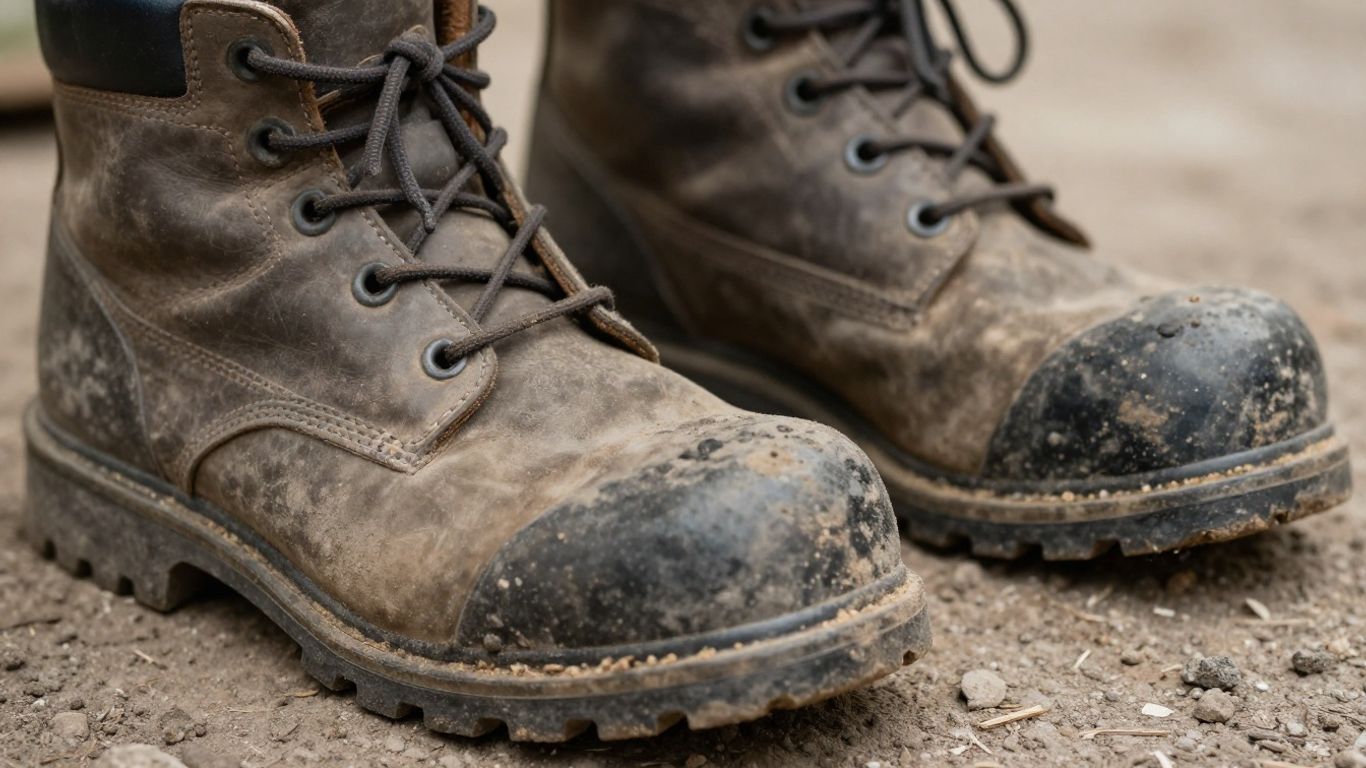
Kommen wir zu Stiefeln mit Zementsohlenbauweise. Wenn Sie sich jemals gefragt haben, warum sich manche Stiefel anfühlen, als würden Sie direkt aus der Schachtel Sneakers tragen, liegt das wahrscheinlich daran. Im Gegensatz zur altmodischen Goodyear-Rahmennähmethode, bei der Stiefel zusammengenäht werden, geht es bei der Zementsohlenbauweise nur um Kleber. Die Sohle wird buchstäblich an den oberen Teil des Stiefels geklebt.
Diese Methode sorgt für einen Stiefel, der superleicht und flexibel ist. Wirklich, man kann diese Dinger wie eine Brezel biegen. Sie sind ideal für Arbeiten, bei denen man sich hauptsächlich auf flachen, stabilen Oberflächen bewegt, wie einem Lagerhallenboden oder wenn man viel zwischen verschiedenen Einsatzorten fährt. Der größte Vorteil ist, dass es praktisch keine Einlaufzeit gibt. Man kann sie anziehen und sie fühlen sich sofort bequem an, was eine große Erleichterung ist nach einigen der steiferen Optionen da draußen.
Dieser Klebe-und-los-Ansatz ist jedoch nicht für jeden oder jeden Job geeignet. Da sie so flexibel und leicht sind, bieten sie nicht die gleiche robuste Unterstützung wie ein genähter Stiefel, besonders auf unebenem oder felsigem Gelände. Stellen Sie sich das so vor:
- Vorteile:
- Leicht wie eine Feder (im Vergleich zu anderen Arbeitsstiefeln).
- Flexibel und bequem von der ersten Minute an.
- Ideal für flache, stabile Arbeitsflächen.
- Nachteile:
- Weniger langlebig auf rauem Gelände.
- Bietet möglicherweise nicht die gleiche Knöchelunterstützung.
- Der Kleber kann mit der Zeit verschleißen, besonders unter extremen Belastungen.
Während Zement-Bauarbeitsschuhe sofortigen Komfort und ein leichteres Tragegefühl bieten, ist das ein Kompromiss. Du gewinnst Flexibilität, könntest aber langfristig etwas Haltbarkeit und Unterstützung opfern, besonders wenn deine Arbeit viel Klettern oder das Navigieren auf unebenem Gelände erfordert. Es ist ein bisschen wie die Wahl zwischen einem Sportwagen und einem Monstertruck – beide haben ihren Platz, aber du würdest mit dem Sportwagen nicht im Gelände fahren. Für diejenigen, die den „Out-of-the-Box“-Komfort priorisieren und hauptsächlich auf Beton arbeiten, sind diese eine solide Wahl. Wenn du Stiefel brauchst, die alles auf der Baustelle mitmachen, solltest du andere Bauweisen wie die Goodyear-Rahmung in Betracht ziehen. Für mehr Infos zur Stiefeltechnik schau dir den Hywell-Stiefelführer an.
Ich habe festgestellt, dass diese Stiefel an langen Tagen, an denen man hauptsächlich auf Betonplatten steht oder läuft, ein Lebensretter sind. Meine Füße taten nicht annähernd so weh wie in manchen schwereren, steiferen Stiefeln. Aber sobald ich über losen Kies klettern oder eine Leiter hochsteigen musste, habe ich den Unterschied definitiv gespürt. Es geht darum, den Stiefel an die Aufgabe anzupassen, oder? Und manchmal bedeutet das, die leichtere, flexiblere Option zu wählen. Achte nur darauf, gute Socken zu tragen, wie diese Merino-Woll-Wunder.
Wenn du auf der Arbeit bist, brauchst du Schuhe, die harten Bedingungen standhalten. Unsere Zement-Bauarbeitsschuhe sind robust gebaut und bieten großartigen Halt und Langlebigkeit für jede Aufgabe. Sie sind so konzipiert, dass deine Füße den ganzen Tag über bequem bleiben, egal wie hart du arbeitest. Bereit, deine Stiefel auf das nächste Level zu bringen? Besuche unsere Website, um das perfekte Paar für deine Bedürfnisse zu finden!
Was habe ich also gelernt?
Nach einem soliden Monat, in dem ich in diesen Stiefeln herumgestapft bin, bin ich zu einigen Erkenntnissen gekommen. Erstens: Meine Füße haben überlebt, was für mich schon ein Gewinn ist. Ich habe gelernt, dass nicht alle Arbeitsschuhe gleich sind und dass manche ausgefallenen Features bedeuten, dass man seinen Truck nicht zum Mittagessen fahren kann. Wer hätte das gedacht? Außerdem habe ich jetzt eine ganz neue Wertschätzung für Socken. Ernsthaft, gute Socken sind die stillen Helden der Schuhwelt. Wenn du hart arbeitest, solltest du weder bei den Stiefeln noch bei den Socken sparen. Deine Füße werden es dir danken, wahrscheinlich mit weniger Blasen und weniger Beschwerden. Jetzt entschuldigt mich, ich muss normale Schuhe finden, damit ich meine Zehen wieder richtig spüren kann.