


Start With Location
When your feet are hurting after a long day in your work boots, the first thing you should figure out is exactly where the pain is. It might seem obvious, but pinpointing the spot can tell you a lot about what's going on. Is it a sharp jab right on the bottom heel pain, or more of a dull ache in the back of your heel? Maybe it's a nagging soreness on the side? Knowing the specific location helps narrow down the potential causes, whether it's the way you're walking, the boots themselves, or the ground you're standing on all day.
Bottom Heel Pain
This is probably the most common complaint. If you're feeling pain right on the underside of your heel, it could be a few things. Sometimes, it's just the pressure from standing and walking on hard surfaces all day. Other times, it might be related to the cushioning in your boots. If your boots are older, the worn boot insoles might not be providing the shock absorption they used to. This means your heel is taking the brunt of every step.
Back Heel Pain
Pain at the very back of your heel, where your Achilles tendon connects, can be a real pain. This area can get irritated from the boot rubbing or from the heel counter of the boot being too stiff. It might also be a sign that the boot isn't holding your heel properly, causing it to slip slightly with each step, which can lead to friction and soreness.
Side Heel Pain
Soreness on the outside or inside of your heel can sometimes be linked to how your foot rolls when you walk, or how the boot is shaped. If the boot is too narrow, it can put pressure on the sides of your foot. Or, if the boot doesn't offer enough support, your foot might be collapsing inward or outward more than it should, leading to strain on the sides of your heel.
Check Boot Fit
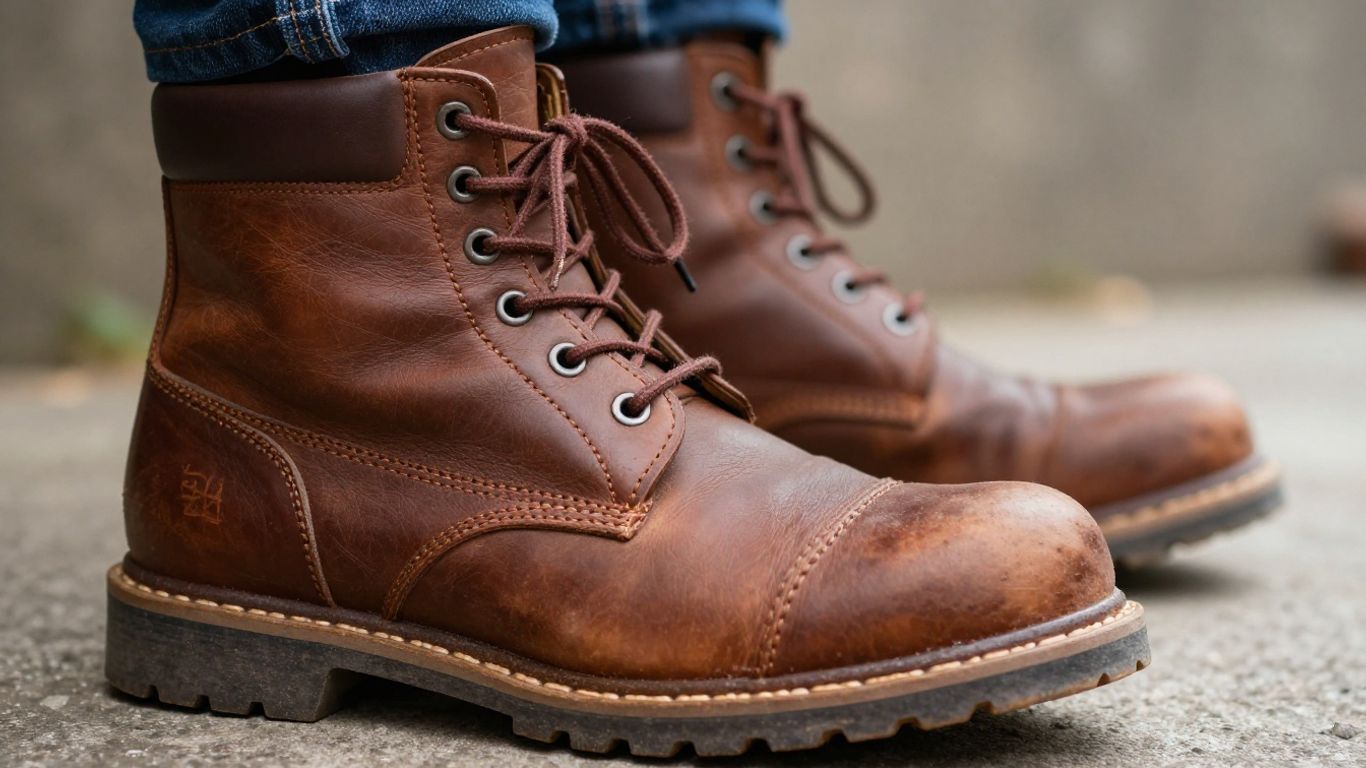
Your work boots might be the culprit behind your aching heels, and it all starts with how they fit. A boot that's too big or too small can spell disaster for your feet. When boots are too large, your feet slide around. This constant movement leads to friction, and that's how you get blisters and hot spots, especially around the heel. You might notice your heel rubbing in work boots or experience a work boot heel slip, which is a sure sign the fit is off. On the flip side, boots that are too tight can pinch and put pressure on your feet, leading to all sorts of discomfort.
Here’s how to check if your boots are actually working for you:
- Wear the right socks: Always try on boots with the type of socks you'll wear on the job. Thicker, moisture-wicking socks are usually best. Cotton socks tend to hold moisture, which can make things worse.
- Check the length: Slide your foot forward in the boot until your toes just touch the front. You should be able to fit about one index finger between your heel and the back of the boot. Do this for both feet.
- Assess the width: Your foot shouldn't feel squeezed, but it also shouldn't be swimming in the boot. There should be a snug, supportive feel all around.
- Lace them up: Properly laced boots should hold your foot securely without cutting off circulation. They should prevent excessive movement, especially in the heel.
- Flex point: The boot should bend naturally where your foot bends – at the ball of your foot. If it bends in the arch, it's not providing proper support.
Remember, your feet swell throughout the day, especially after being on them for a while. It’s best to try on work boots at the end of your workday or after a period of activity. This way, you get a more accurate sense of how they’ll feel when you’re actually working. If your boots don't fit right, it doesn't matter how good they are; hard floors pound heels, and a bad fit makes it that much worse.
Hard Floors Hurt
You know that feeling after a long day on the job? Your feet are just screaming. A big part of that pain, especially that deep ache in your heel, can come down to what you're standing on all day. Think about it: concrete, tile, steel grating – these surfaces don't give an inch. They offer zero shock absorption. Every single step you take, your feet and your work boots heel pain are taking the full brunt of the impact. This constant pounding is a major contributor to common heel pain causes and is why your boots hurt my heels.
Over time, this relentless pressure wears down the natural cushioning in your feet and puts a ton of strain on your plantar fascia, the ligament running from your heel to your toes. It's no wonder you're experiencing heel pain after work. It's like trying to run a marathon on a brick road, day in and day out.
The unforgiving nature of hard surfaces means your boots need to do all the heavy lifting when it comes to cushioning. If they're not up to the task, your feet will pay the price.
Here's the breakdown of why hard floors are such a problem:
- Zero Shock Absorption: Unlike softer ground, concrete and similar materials don't absorb any of the impact from your steps. All that force travels straight up into your feet and legs.
- Increased Strain: This lack of give forces your muscles, tendons, and ligaments to work overtime to absorb shock, leading to fatigue and pain.
- Aggravates Existing Issues: If you already have conditions like plantar fasciitis or just generally sensitive feet, hard floors will make them significantly worse.
Your work boots are your first line of defense against these unforgiving surfaces. If they lack adequate cushioning or support, you're setting yourself up for discomfort.
Socks Change Friction
You might think socks are just socks, but when you're on your feet all day in work boots, they matter a lot. The wrong kind can make your feet sweat, get blisters, and just feel generally miserable. The material and thickness of your socks directly affect how your feet interact with the inside of your boots.
Think about it: your socks are the first line of defense between your skin and the boot. They absorb sweat, provide a little padding, and can either help or hurt your foot's comfort.
Here's a quick rundown on what to look for:
- Avoid Cotton: Cotton socks soak up moisture like a sponge and hold it against your skin. This makes your feet feel clammy, increases the chance of blisters, and kills any cushioning effect the sock might have had. They're cheap, but that's about it.
- Go for Synthetics or Blends: Materials like polyester are designed to wick moisture away from your foot. They keep your feet drier, which is key for comfort and preventing skin issues.
- Consider Merino Wool Work Socks: These are often a top choice for a reason. Merino wool is great at managing moisture, keeping your feet dry in both hot and cold weather. It's also naturally odor-resistant, which is a big plus after a long day.
- Look for Cushioned Work Socks: Whether they're synthetic or wool, socks with extra cushioning in the sole can make a noticeable difference. This extra padding absorbs shock and reduces pressure points, especially on hard surfaces.
The goal is to keep your feet as dry and comfortable as possible. This means choosing socks that pull sweat away from your skin and offer a bit of buffer against the boot's interior. It's a simple change that can have a big impact on your daily comfort.
Insoles May Matter
Those stock insoles that come with your work boots? They're usually pretty basic. They might offer a little padding, but they often lack the real support your feet need, especially if you're dealing with heel pain. Think of them as a starting point, not the final solution.
When you're looking for insoles to help with heel pain, you need something that actually supports your arch and cradles your heel. A good insole should feel firm and hold its shape; you shouldn't be able to easily bend or twist it. This kind of structure helps distribute your weight better and takes pressure off that sore heel.
Here's what to look for:
- Arch Support: The insole should match the curve of your arch. If it feels too high or too low, it's not the right fit. You want to feel support all along your arch, not just in one spot.
- Deep Heel Cup: This is key for heel pain. A deep cup helps keep the natural fat pad under your heel bone in place, acting like a better shock absorber.
- Durability: You're investing in these, so they should last. Look for materials that can handle daily wear and tear without breaking down quickly.
Some insoles are made from materials like carbon fiber, which are super strong and rigid but still lightweight. Others use a two-part system where you can replace the top layer while keeping the supportive base. Don't forget about socks, either. The right socks, like wool blends or those designed for performance, can also make a difference by managing moisture and adding a bit more cushioning. They are often considered among the best socks for heel pain.
The inside of a work boot is a bit of a wild west. While safety features on the outside are regulated, what goes on inside is up to the manufacturer. This means you might be stuck with boots that are tough on your feet, even if they look the part.
If your current insoles feel like they're just squishing flat or don't offer any real support, it's definitely time to consider an upgrade. It could be the simplest fix for your aching heels.
When To Get Help
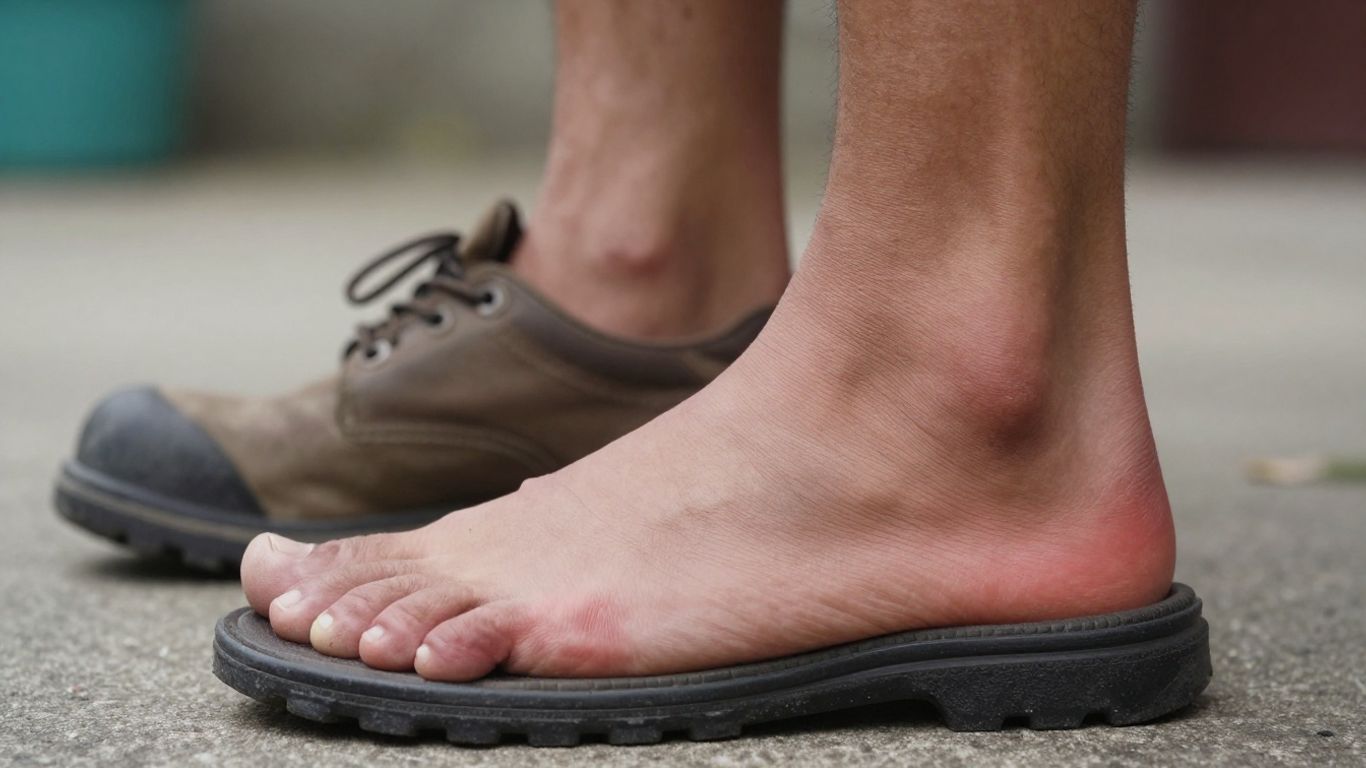
Look, we all want to tough it out, but sometimes your feet are sending out an SOS, and you need to listen. If you've tried adjusting your boots, changing your socks, and even adding some fancy insoles, but the pain just won't quit, it's time to think about getting some professional eyes on the problem.
Don't ignore persistent pain; it's your body telling you something's not right.
Here are a few signs that it's time to book an appointment with a podiatrist or a doctor who specializes in foot issues:
- The pain is severe and doesn't get better after a week or two of home care.
- You're experiencing swelling, numbness, or a weird tingling sensation in your feet.
- Walking itself has become a chore because of the discomfort.
- You notice the pain is sharpest first thing in the morning or after periods of rest.
- You're dealing with recurring blisters or calluses in the same spots.
- You've noticed significant heel slip in boots, and it's causing rubbing or instability.
Sometimes, what feels like a simple ache could be the start of something more serious, like plantar fasciitis or Achilles tendonitis. Getting it checked out early can save you a lot of trouble down the road and prevent the pain from becoming a chronic issue that really messes with your work and your life.
Build Your Boot Setup
Alright, so you've figured out where the pain is coming from and checked the fit. Now, let's talk about making those boots work for you, not against you. It's not just about slapping on a pair of boots and calling it a day. You've got to build a system, a setup that supports your feet and keeps you moving comfortably.
Think of it like this: your boots are the foundation, but what you put inside and on your feet makes all the difference. We're talking about socks and insoles. These aren't just accessories; they're key players in preventing that end-of-day foot agony.
Here’s how to put it all together:
- Socks are your first line of defense. Forget those cheap cotton socks. They soak up sweat like a sponge, leaving your feet wet, blistered, and miserable. You need socks made from materials like polyester, wool blends, or synthetics. These wick moisture away, keeping your feet drier and happier. Look for socks with good cushioning, especially in the heel and ball of your foot.
- Insoles are your secret weapon. Most work boots, even the good ones, don't have the kind of arch support or cushioning your feet really need, especially if you're on hard surfaces all day. Adding a quality insole can transform a painful boot into something you can actually stand to wear. Some insoles offer extra arch support, some provide more shock absorption, and others are designed for specific foot types like flat feet or high arches. Find one that matches your needs.
- Consider the boot's construction. If you're buying new boots, pay attention to how they're made. Boots with welted or stitchdown construction are often built to be resoled, meaning you can replace worn-out soles and keep the boot going for years. This can be a big deal for long-term comfort and value.
Your boot setup is more than just the boot itself; it's the combination of the boot, the right socks, and supportive insoles.
Don't underestimate the power of a good sock and insole. They can make a world of difference in how your feet feel after a long shift, turning boots that used to kill your feet into reliable, comfortable work companions. It's a small investment for a huge return in comfort and foot health.
Getting your boots ready for the trail is super important. Make sure you have the right gear to keep your feet comfy and safe. Want to know the best way to set up your boots? Check out our website for all the tips and tricks!
Conclusion
Your work boots are vital for safety, but they don't have to ruin your feet. By paying attention to where the pain is, making sure your boots fit right, and considering what's inside them – like socks and insoles – you can make a big difference. Don't ignore persistent pain; a podiatrist can help find long-term solutions. Building a better boot setup means happier feet and a more comfortable workday.
Frequently Asked Questions
Why do my work boots hurt my heels?
Often, work boots don't have enough built-in support for your arches. When you stand or walk all day, especially on hard surfaces, this lack of support puts a lot of pressure on your feet and heels. It's like your feet are taking all the hits without any backup.
Can insoles really help with heel pain from work boots?
Yes, they can make a big difference! Good insoles, sometimes called orthotics, add that missing arch support. They help spread out the force of each step, so less pressure lands directly on your heel. This can make your feet feel much better by the end of the day.
How important is the fit of my work boots?
Fit is super important. If boots are too tight, they can pinch your toes and cause pain. If they're too loose, your feet slide around, leading to blisters and strain. You want enough room to wiggle your toes but also a snug fit around your heel and ankle.
Do the socks I wear matter for foot pain?
They really do. Thick, cushioned socks can add extra padding and absorb some shock. Also, wearing socks made of material that wicks away moisture helps keep your feet dry, which reduces rubbing and discomfort. Sweaty feet can lead to more problems.
What should I do if my heel pain doesn't get better?
If the pain sticks around for more than a week or two, or if it's really sharp, especially in the morning, it's time to see a doctor. A podiatrist, a foot specialist, can figure out exactly what's wrong and suggest the best way to fix it, maybe with special insoles or other treatments.
Are there specific types of work boots better for foot pain?
Look for boots with a cushioned middle part (midsole) and a wide area for your toes. Boots that have removable insoles are good because you can swap out the basic ones for better ones. Good ankle support also helps. Avoid boots that are super heavy or have no give in them.