


You know, finding the right socks can feel like a real puzzle sometimes. You grab a pair, thinking they'll be perfect, only to find they're too tight, too loose, or just plain uncomfortable after a few hours. It’s especially true when you're looking for women's work socks. Getting the women's work sock size guide right the first time means less hassle and more comfort for your feet. Let's figure out how to make sure your socks fit just right, every time.
Key Takeaways
- Your shoe size is a good starting point for finding your sock size, but it's not the only factor.
- Measuring your foot length from heel to toe gives you the most accurate way to determine your sock size.
- Different brands use various sizing methods, like shoe size ranges, letter sizes (S, M, L), or specific measurements in inches.
- Wearing the wrong size socks can lead to discomfort, blisters, and make your socks wear out faster.
- Always check the specific size chart provided by the sock manufacturer, especially when buying online, to ensure a good fit.
Understanding Womens Work Sock Size Guide Basics
Why Sock Size Matters for Comfort and Durability
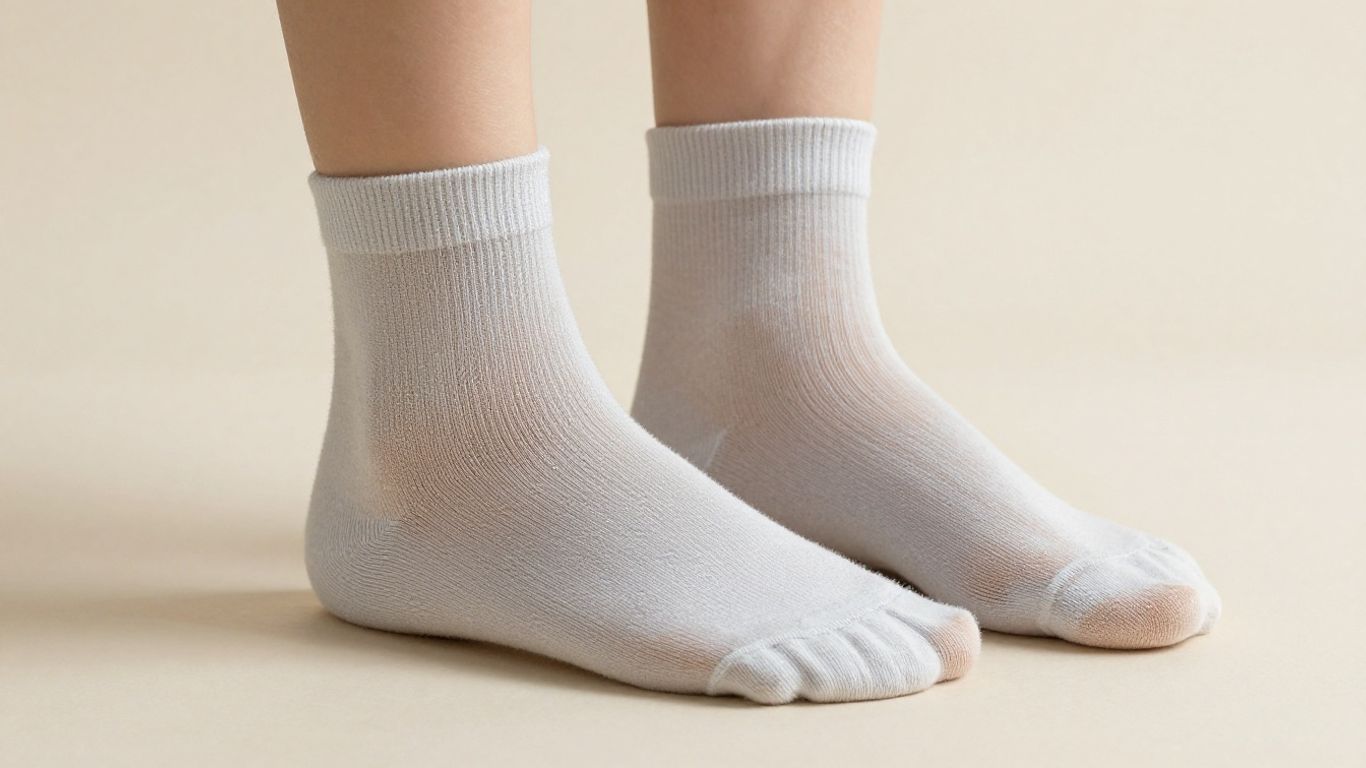
Getting your sock size right isn't just about avoiding a snug fit or a baggy heel. It's actually pretty important for how your feet feel all day, especially when you're on the move for work. When socks fit correctly, they stay put. This means no annoying bunching up inside your boots, which can lead to painful blisters and general discomfort. Plus, socks that fit well tend to last longer. They don't get stretched out of shape as quickly, and the fabric isn't subjected to unnecessary stress. Think of it like wearing the right size shoes – it just makes everything better.
The Difference Between Shoe Size and Sock Size
It might seem like your sock size should be the same as your shoe size, but it's not quite that simple. Shoe sizes are generally based on the length and width of your foot, but sock sizing often uses a range. This range accounts for variations in foot shape and even slight differences in foot size throughout the day. While your shoe size is a good starting point, it's not the whole story when it comes to picking the perfect pair of socks. You'll often see sock sizes listed as small, medium, or large, which correspond to a range of shoe sizes, not a single number. It's a bit like how a size Medium shirt can fit a few different body types.
Key Factors Influencing Sock Fit
Several things play a role in how a sock actually fits your foot. Obviously, the length of your foot is the biggest factor. But don't forget about width; if you have wider feet, you might need to size up, and if you have narrower feet, sizing down could be a good idea. The material also makes a difference. Cotton socks are breathable but don't stretch much, while wool and synthetic blends with things like spandex offer more give. This flexibility can sometimes mean a sock can accommodate a slightly wider range of foot sizes, but it's always best to start with the right measurement. You can find a helpful guide to measuring your foot if you're unsure.
Remember, socks are designed to work with your feet, not against them. A proper fit means your socks support your feet, wick away moisture, and provide a comfortable layer between your skin and your work boots, all without causing irritation or restricting blood flow.
Here's a quick look at what influences fit:
- Foot Length: The primary measurement for sock sizing.
- Foot Width: Affects whether you need to adjust your size up or down.
- Material Composition: Determines the sock's stretch and recovery.
- Height of the Sock: While not directly related to foot size, it impacts overall comfort and coverage.
Methods for Determining Your Sock Size
Figuring out your sock size doesn't have to be a guessing game. There are a few straightforward ways to get it right, ensuring your socks feel great from the moment you put them on. The key is to move beyond just looking at your shoe size and consider a couple of other factors.
Sizing Socks by Shoe Size
This is probably the most common method, and for good reason. Most sock manufacturers base their sizing on standard shoe sizes. You'll often see sock sizes listed as small, medium, large, or extra-large, with a corresponding range of shoe sizes. For example, a women's medium sock might fit a US shoe size of 7-9. It's a quick way to find a pair, but it's not always the most precise, especially if your feet are a bit wider or narrower than average.
Here's a general idea of how women's shoe sizes often translate to sock sizes:
| Sock Size | Fits Women's US Shoe Size |
|---|---|
| Small | 5 - 7 |
| Medium | 7.5 - 9.5 |
| Large | 10 - 12 |
Remember, this is a guideline, and different brands might have slightly different ranges. Always check the specific brand's chart if you can.
Using Letter Sizing for Socks
Similar to sizing by shoe size, many brands use a letter system (S, M, L, XL) for their socks. This is essentially a shorthand for shoe size ranges. While convenient, it can sometimes be a bit vague. A "medium" sock might fit a range of foot lengths and widths, and if you fall on the edge of that range, you might find the fit isn't quite right. It's always best to look for a chart that translates these letters into actual shoe sizes or, even better, foot measurements.
Measuring Foot Length for Precise Sizing
For the most accurate fit, especially if you're buying socks online or have specific fit needs, measuring your foot is the way to go. It takes a little more effort, but it's worth it for the comfort.
Here's a simple method:
- Get Ready: Grab a piece of paper, a pen or pencil, and a ruler or tape measure. It's best to do this in the evening when your feet are typically a bit larger.
- Trace Your Foot: Stand on the paper with your heel against a wall. Make sure your weight is evenly distributed. Carefully trace around your foot, keeping the pen or pencil straight up and down.
- Measure: Measure the distance from the very end of your heel to the tip of your longest toe in inches (or centimeters).
Once you have this measurement, you can compare it directly to the sock manufacturer's size chart, which often lists foot length in inches or centimeters. This method is particularly helpful for finding socks that offer a snug, supportive fit without being too tight or too loose. It's a great way to ensure your socks stay put during activity.
When you measure your foot, remember that socks are designed to stretch. The measurement you get is for your foot's length, and the sock's sizing chart will indicate the range of foot lengths that particular sock size is designed to accommodate comfortably.
Navigating Sock Size Charts
Okay, so you've got your shoe size, but now you're staring at a sock package or a website, and it's all a bit confusing. Sock size charts can seem like a secret code sometimes, especially when you're trying to figure out what works for your feet. Don't worry, we'll break it down.
Decoding Womens Sock Size Charts
Most sock brands use charts to help you match your shoe size to the right sock size. These charts usually list a range of shoe sizes and the corresponding sock size. It's not always a direct one-to-one match with your shoe size, which is why looking at the chart is important. For example, a women's US shoe size 7 might fall into a sock size range that also includes size 7.5 or 8. The key is to find the range that your shoe size fits comfortably within.
Here's a general idea of how these charts often work:
- Small/Medium (S/M): Typically covers a range like US Women's shoe sizes 5-9.
- Large/Extra Large (L/XL): Often covers US Women's shoe sizes 9-11 or 10-12.
Always check the specific brand's chart, as they can vary. Some brands might use letter sizing (S, M, L, XL) while others use numerical sock sizes (like 9-11 or 10-13).
International Sock Size Conversions
Shopping online means you might encounter different sizing systems. The US, UK, and EU all have their own ways of measuring shoe and sock sizes. A US women's size 8 isn't the same as a UK women's size 8. You'll often see charts that include columns for US, UK, and EU sizes to help you convert. For instance, a US women's size 7-9 might be a UK size 5-7 and an EU size 38-40. It's super helpful to have these conversions handy, especially if you're buying from international retailers. You can often find these conversion tables on brand websites or general sock size guides.
Understanding Foot Length Measurements
While shoe size is a good starting point, some brands offer more precise sizing based on actual foot length. This is especially true for brands that focus on performance or a very specific fit. To get this measurement, you'll want to trace your foot on a piece of paper while standing and then measure from the tip of your longest toe to the back of your heel. This measurement, usually in inches or centimeters, can then be matched directly to a specific sock size on a chart. This method can be more accurate, particularly if your feet are a bit wider or narrower than average. Some companies even provide leg length measurements for their socks, which is great for finding the perfect shaft height.
When you're looking at sock size charts, remember that width can also play a role. If you have wider feet, you might need to size up to avoid tightness. Conversely, if your feet are narrow, sizing down could prevent excessive bagginess. Always consider your foot's unique shape beyond just its length.
Common Sock Sizing Pitfalls to Avoid
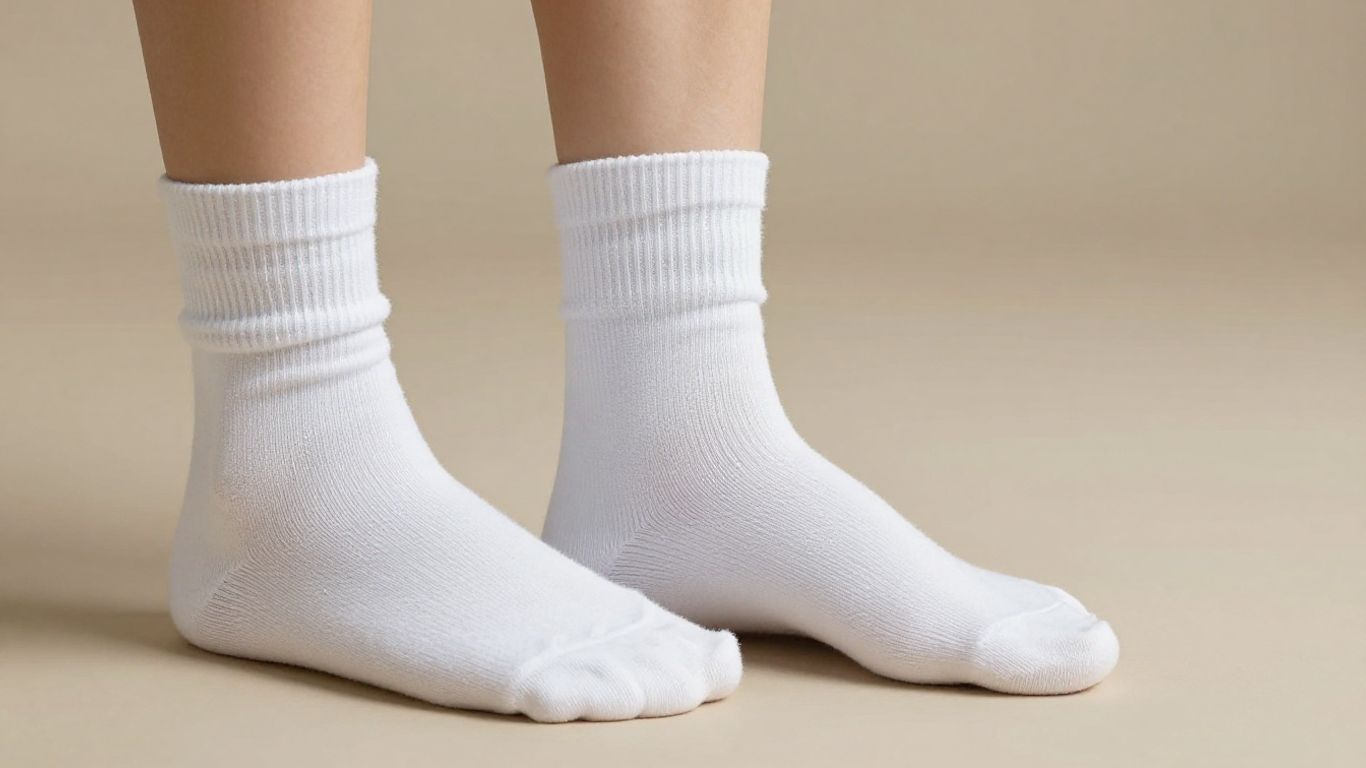
It’s easy to think that sock sizing isn't a big deal, but trust me, getting it wrong can lead to a whole heap of problems. You might be surprised at how much a simple sock can impact your day.
Signs Your Socks Are the Wrong Size
So, how do you know if you’ve messed up the sock size? Keep an eye out for these common clues:
- Visible sock marks on your skin: If you take off your socks and see deep lines or red marks around your ankles or feet, they're likely too tight. This isn't just uncomfortable; it can mess with your circulation.
- Constant sock slipping: If your socks are always sliding down into your shoes, no matter how much you try to pull them up, they're probably too big. This creates annoying bunching inside your shoes.
- Bunching or wrinkling inside your shoe: Similar to slipping, if you feel your socks bunching up under your feet or around your toes, they're not fitting right. This can create new friction points.
Consequences of Ill-Fitting Socks
Wearing the wrong size socks isn't just a minor annoyance; it can actually cause some real issues. The wrong sock size can shorten the lifespan of your socks, leading to premature wear and tear.
- Discomfort and Blisters: Socks that are too small cram your toes and create friction, which is a fast track to painful blisters. On the flip side, socks that are too big bunch up, causing chafing and hot spots.
- Reduced Durability: When socks are too small, you stretch them out more than they're designed for, damaging the elastic. If they're too big, they can snag on your shoes or toenails, leading to runs and holes.
- Foot Health Issues: Beyond blisters, constant friction and pressure from ill-fitting socks can lead to other foot problems over time. For athletes, a sloppy fit can even affect your stability and performance.
Getting your sock size right is more than just about comfort; it's about protecting your feet and making sure your socks actually do their job. Think of it like getting the right fit for your shoes – it makes all the difference.
The Impact of Sock Material on Fit
Don't forget that the material your socks are made from plays a big role in how they fit. A thick, cushioned wool sock will feel and fit differently than a thin, silky dress sock, even if they're technically the same size.
- Thick, Cushioned Socks: These often have more volume and padding. You might need to size up slightly compared to your usual shoe size to accommodate the extra material, especially if you have wider feet. Check out sock size versus shoe size charts to see how different types might fit.
- Thin Dress or Athletic Socks: These tend to be more form-fitting. You can usually stick closer to your standard shoe size, but always check the brand's specific recommendations.
- Compression Socks: These are a whole different ballgame. They require precise measurements, often including calf circumference, to work correctly. Don't just guess with these!
Achieving the Perfect Sock Fit
Getting socks that fit just right shouldn’t feel like guesswork. Your everyday comfort and even the lifespan of your socks depend on finding that sweet spot—not too loose, not too tight. This section breaks down how to size socks accurately, convert your shoe size, and shop smart online.
How to Measure Your Foot Accurately
Knowing your exact foot measurements can really take the hassle out of sock shopping. Here’s how you can do it:
- Grab a sheet of paper and place it on the floor.
- Stand on the paper with your full weight on that foot.
- Trace around your foot with a pen held upright; don’t tilt it.
- Mark the longest point (usually your big toe) and the furthest spot at your heel.
- Measure the distance between these two marks in inches or centimeters.
- Write down the measurement for both feet, in case one is larger than the other.
Even a half-inch difference can change which size actually feels most comfortable all day.
Matching Your Shoe Size to Sock Size
Most brands tie sock sizing back to shoe size, but translation isn’t always one-to-one. Letter sizes (S, M, L, XL) cover a range, and sometimes the right fit means choosing Small over Medium, or vice versa. Here’s a simple table to give you an idea:
| US Women's Shoe Size | Recommended Sock Size |
|---|---|
| 4 – 6.5 | Kids 7-11Y or Small |
| 7 – 9 | Small |
| 9.5 – 11 | Medium |
| 11.5+ | Large |
Some brands or specialty socks may size differently; for a more detailed match, this sock size resource breaks it down by shoe size.
Tips for Online Sock Purchases
Buying online? Take a few extra steps to avoid the hassle of returns.
- Check the brand’s sizing chart—don’t rely on what worked for one brand to fit from another.
- Read reviews for comments on fit. Are people saying the socks run big or small?
- Consider the sock material: cotton and synthetics stretch more, while thicker wool might feel snugger.
- When between sizes, size down for a snugger fit—unless you have wide feet, then sizing up might be safer.
The right sock size feels like a gentle hug, not a squeeze or a slip. If you’re choosing for someone with shoe size 4-6.5, sometimes a kids’ size works better than an adult's extra small, as mentioned in some practical sock fit guides.
Ultimately, taking a little time to measure and match means you get socks that last longer and feel good all day. There’s less risk of bunching, chafing, or sagging—just comfortable feet whether you’re standing at work or heading out for a walk.
Finding socks that fit just right can be tricky. You want them snug but not too tight, and they shouldn't slide down your leg. Our socks are designed to give you that perfect, comfortable feel all day long. Ready to experience the difference? Visit our website to find your ideal pair!
So, What's the Takeaway?
Alright, so we've talked a lot about sock sizes, and honestly, it's not as complicated as it might seem at first. You know your shoe size, right? That's pretty much your best friend when it comes to picking out socks that won't feel weird. Whether they're too tight, too loose, or just bunch up in your shoe, the wrong size is a bummer. Getting it right means comfier feet, socks that last longer, and less hassle with returns. So next time you're shopping, take a quick peek at the size chart – your feet will thank you for it.
Frequently Asked Questions
Why is knowing my sock size so important?
Wearing the right sock size makes a big difference in how comfortable you feel all day. Plus, socks that fit well last longer, saving you money because you won't have to replace them as often. It's all about comfort and making your socks last!
Is my sock size the same as my shoe size?
Not exactly! While your shoe size is a great starting point, sock sizes are often a range that covers a few shoe sizes. Think of your shoe size as a guide to help you pick the right sock size range, but it's not a direct match.
How can I figure out my sock size if I don't know it?
The easiest way is to look at your shoe size and check a sock size chart. Many brands will list which shoe sizes correspond to their sock sizes (like Small, Medium, or Large). You can also measure your foot from heel to toe for a more precise measurement.
What happens if my socks are too small or too big?
If socks are too small, they can feel tight and uncomfortable, stretching out the fabric and wearing out faster. If they're too big, they can bunch up inside your shoes, leading to rubbing, blisters, and general discomfort. Neither is good for your feet or your socks!
How do I measure my foot to find the right sock size?
It's simple! Stand on a piece of paper with your heel against a wall. Mark the tip of your longest toe. Then, measure the distance from the back of your heel mark to the toe mark in inches or centimeters. Use this measurement with a sock size chart.
Do sock materials affect the fit?
Yes, they do! Socks made with materials like spandex or elastane tend to be stretchier and can fit a wider range of sizes comfortably. Natural fibers like cotton might be less stretchy, so getting the size right is even more important with those.