


When it comes to Doc Martens, the best socks are usually thicker, crew-length, and made of durable materials like wool or a sturdy cotton blend. Think comfort and protection, especially during the break-in period. You want socks that can handle a bit of friction and keep your feet cozy.
Here’s a quick rundown:
- Thickness: Medium to thick is ideal. Thin socks won't offer enough cushioning.
- Length: Crew or boot socks are your best bet. They stay up and prevent rubbing.
- Material: Wool, merino wool, or robust cotton blends are great choices.
Don't underestimate the power of good socks. They can make or break your experience with Docs, especially when they're new and stiff. The right pair means fewer blisters and more happy miles.
Match The Boot
1460 Boots
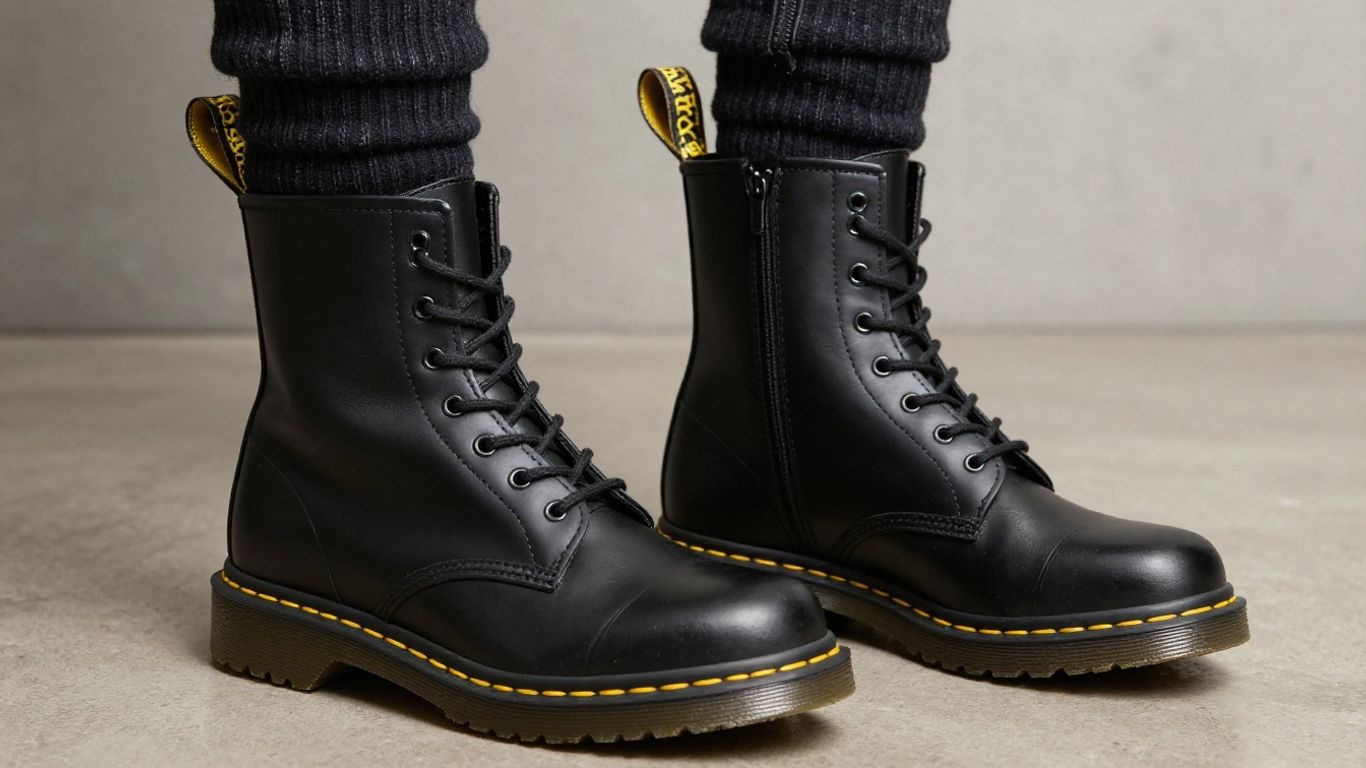
When you're thinking about what socks to wear with your 1460 Docs, the first thing that comes to mind is comfort, especially during the break-in period. Nobody wants blisters, right? The right socks can make a huge difference in how quickly and painlessly you get there. For these iconic boots, you'll want something that offers a bit of cushioning without being so thick that your feet overheat or feel cramped. Merino wool boot socks are a solid choice here. They're naturally breathable, help manage moisture, and provide that extra layer of padding that your heels and toes will thank you for. Look for crew-length socks that hit just above the boot shaft to prevent rubbing.
Chelsea Boots
Chelsea boots are a bit different because they often have a lower profile and a snugger fit around the ankle. This means you need socks that won't bunch up or create extra bulk. Thin to medium-weight socks are usually best. If you're going for a more casual look, a simple pair of black or grey crew socks works well. For a slightly dressier vibe, consider some finer knit socks. The key is to ensure the sock stays put and doesn't peek out awkwardly if you're tucking your pants in.
1461 Shoes
Since the 1461s are shoes rather than boots, your sock choice might lean more towards what you'd wear with regular footwear. However, the classic Dr. Martens style still applies. You can go with no-show socks if you want that sockless look, but be aware that this offers less protection during the break-in phase. A better bet is often a low-cut or ankle sock. If you're wearing them with jeans or trousers, a subtle crew sock in a neutral color is a safe bet. Think about the overall outfit; sometimes a pop of color or a subtle pattern can add a nice touch to your look. If you're looking for specific boot socks for 1460s, remember that the principles of comfort and protection still apply even if you're wearing the shoes. Advice on boot types can sometimes inform sock choices too.
Break-In Comfort
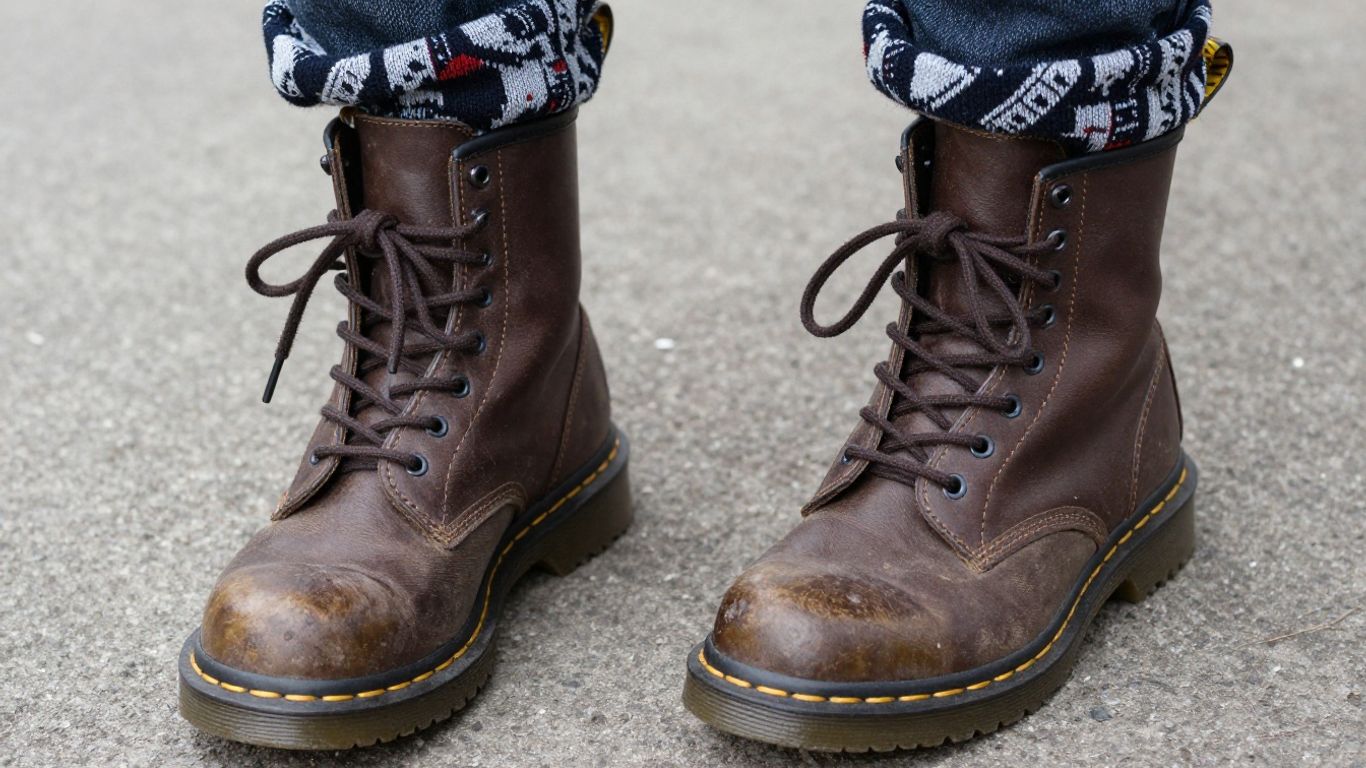
Anyone who’s ever worn Docs knows breaking them in is a process that can test your patience—and your feet. The right socks are a total game changer for this stage. You want socks that give real protection, cushion against the stiff leather, and help keep blisters away. Here’s how to make those first days less painful:
- Go for padded or thick crew socks—these cover your ankles (where the rubbing happens most) and add a buffer between your skin and the boot.
- Look for a sock with some firmness or support so it doesn’t just scrunch down under your heel.
- Consider socks made specifically for preventing blisters—these often have extra soft panels around the heel or toe, perfect for new boots.
- Always measure with your socks when buying your Docs—your fit will absolutely feel different with thick socks vs. thin socks.
| Sock Type | Cushioning | Break-in Protection | Typical Height |
|---|---|---|---|
| Padded Crew | High | Excellent | Mid-calf |
| Athletic/Running | Moderate | Good | Ankle/Crew |
| Dress/Casual | Low | Poor | Low/Crew |
| No-show/Invisible | None | Not recommended | Below ankle |
If you’re on your feet all day or just want to speed up the break-in without pain, spend on a few pairs of thick, padded socks right from the start. The wrong socks can drag this process out and leave you with bandages everywhere.
Breaking in Docs isn’t about bravado—it’s about making smart choices, so your boots feel like home as fast as possible. If you normally wear dress socks or thinner pairs, remember to factor that in before you size up or down. Every pair, whether it’s quarter-length or crew, interacts with the boots differently, and your feet will thank you for giving it some thought before that first big day.
Pick The Thickness
When you're picking out socks for your Docs, thickness is a big deal. It's not just about how they feel; it directly impacts how your boots fit and feel on your feet. Too thin, and you might get some annoying rubbing or even heel slipping in boots that aren't quite broken in yet. Too thick, and your boots could feel way too tight, making them uncomfortable to wear for any length of time.
Think about it like this:
- Thin socks: Good for warmer weather or if your boots already fit snugly. They won't add much bulk.
- Medium-weight socks: Often the sweet spot. They offer a good balance of cushioning and fit, making them a solid choice for most situations.
- Thick socks: Ideal for colder weather or if your boots feel a bit loose. These are your go-to thick socks for Doc Martens when you need extra warmth and a snugger feel.
It's a good idea to measure with your socks on when you're trying on boots or even just deciding which socks to wear. This way, you get a real sense of the fit. You don't want your toes crammed or your heel sliding around. Finding that perfect thickness means happy feet, no matter how long you're on them.
Choose The Material
When you're picking out socks to go with your Docs, the material really matters. It's not just about how they feel, but how they perform throughout the day, especially with sturdy boots like these.
Here's a quick rundown of common sock materials and what you can expect:
- Cotton: This is a go-to for many people because it's soft and breathable. It feels comfortable against the skin, which is a big plus. However, cotton tends to hold onto moisture. If your feet sweat a lot, cotton socks can get damp and stay that way, which isn't ideal for long days or if you're prone to blisters. For casual wear, it's fine, but maybe not your first pick for serious walking.
- Wool (especially Merino): Wool, particularly fine merino wool, is a fantastic choice for Doc Martens. It's naturally breathable, meaning it helps regulate temperature, keeping your feet cooler in the heat and warmer when it's cold. Merino wool is also excellent at wicking away moisture, which helps keep your feet dry and reduces the chance of irritation. Plus, it's naturally odor-resistant, a definite bonus.
- Synthetics (like Polyester, Nylon, Acrylic): These materials are often blended together or with natural fibers. They're usually durable and good at wicking moisture away from your skin. Many athletic socks use synthetics for their performance qualities. They can dry quickly and hold their shape well, making them a practical option for active days.
Think about what you'll be doing while wearing your boots. If you're just walking around town, a comfortable cotton blend might be perfectly fine. But if you plan on being on your feet all day, or if you're breaking in new boots, opting for a moisture-wicking material like merino wool or a good synthetic blend will make a huge difference in your comfort. You can find some great moisture-wicking socks that are designed for all-day wear.
When it comes to thickness, you'll want to consider how snug you want your boots to feel. Thicker socks can add cushioning and warmth, but they might make your boots feel tighter. Thinner socks offer less bulk but might not provide as much padding. It's a balance you'll figure out with a bit of trial and error.
Style Still Matters
Okay, so you've got the right boot and the perfect thickness. Now, let's talk about how your socks actually look. Because let's be real, even with comfortable boots, you still want to look good.
Black Socks
This is the no-brainer choice, right? Black socks with black Doc Martens are a classic for a reason. They create a seamless look, making your boots the star of the show. You can go with a thin black sock for a sleeker vibe or a thicker black crew sock if you're going for that rugged, utilitarian look. They're also great for hiding any scuffs or dirt that might happen throughout the day. Plus, they work with pretty much any outfit.
White Socks
Want to make a statement? White socks with Doc Martens are a bold move. Think punk rock roots or a more modern, clean aesthetic. They really pop against darker boots and can add a fresh contrast to your outfit. Just be prepared for them to show dirt more easily. If you're going for this look, consider opting for moisture-wicking socks to keep your feet feeling fresh, especially if you're planning on doing a lot of walking. Brands known for quality athletic wear often have good options here.
Visible Crew Socks
Sometimes, you want your socks to be seen. Crew socks that hit just above the boot line can be a great way to add personality to your look. You can go for solid colors, fun patterns, or even ribbed textures. This is where you can really play with your outfit. A simple black or white crew sock can still look sharp, but don't be afraid to experiment with bolder choices if that's your style. Just make sure they aren't too thick, or they might bunch up uncomfortably inside your boots.
Remember, the goal is comfort and style. Don't sacrifice one for the other. Find socks that feel good on your feet and look good with your Docs.
A Better Boot Pairing
So, you've got your Doc Martens, and you're wondering about the socks. It's not just about looks, though that's part of it. The right socks can make or break your experience, especially when you're breaking in a new pair. We're talking about comfort, blister prevention, and just generally making your feet happy.
The real game-changer is finding socks that offer a bit of padding and support without being so thick they make your boots feel tight. This is where good quality crew socks for Docs really shine. They provide that extra cushioning, especially around the heel and ankle, which is super important when you're walking around in stiff leather.
Think about it: your Docs are tough boots, and they need a tough, yet comfortable, sock to stand up to the challenge. This is especially true for what socks to wear with Dr. Martens when they're brand new. The goal is to protect your feet during that initial break-in period. You want socks that can handle the friction and prevent those dreaded blisters.
Here's a quick rundown of what to look for:
- Padding: Look for socks with extra cushioning in key areas like the heel and sole. This is your first line of defense against rubbing.
- Material: Breathable materials are your friend. Cotton can work, but blends with wool or synthetic fibers often wick moisture better, keeping your feet drier.
- Fit: Socks that stay up and don't bunch up are crucial. Nobody wants to be constantly pulling their socks down.
When you're searching for the best socks for Doc Martens, don't overlook the simple crew sock. It's a classic for a reason. They offer a good balance of coverage and comfort, and many are designed specifically to work well with boots. These socks for Doc Martens boots are your best bet for happy feet, whether you're tackling a long day of walking or just trying to get through the break-in phase.
The right socks can transform the notoriously tough break-in period for Doc Martens from a painful ordeal into a manageable process. They act as a buffer, protecting your skin from the stiff leather and preventing blisters before they even start.
Finding the right socks can make a big difference in how your feet feel all day. Our "A Better Boot Pairing" section is here to help you discover socks that work perfectly with your favorite boots. Stop guessing and start stepping in comfort. Visit our website to find your perfect match!
So, What Socks Should You Wear?
Alright, so you've got your Docs, and now you know what socks to pair with them. Whether you're going for that classic look or just trying to survive the break-in period without a blister in sight, the right socks make all the difference. Don't overthink it too much. Grab a few pairs that feel good, fit well under your boots, and let you walk around comfortably. Your feet will thank you, and you'll be rocking your Dr. Martens in no time.
Frequently Asked Questions
What kind of socks are best for breaking in Doc Martens?
When you first get your Doc Martens, they can be pretty stiff and might give you blisters. To make this easier, you'll want socks that are a bit thicker and have some padding, especially around the heel. This extra cushion acts like a shield, stopping your boots from rubbing your skin raw. Look for socks made from breathable materials that go up high enough to prevent the boot from hitting your ankle directly. Some people find that padded crew socks or thicker athletic socks work wonders for this.
Can I wear thin socks with Doc Martens?
You can definitely wear thin socks with Doc Martens, but they might not offer enough protection, especially when you're breaking them in. Thin socks might not prevent rubbing or blisters as well as thicker ones. If you choose thin socks, make sure they fit snugly and don't bunch up inside your boots. For everyday wear once your boots are broken in, thin, breathable socks can be perfectly fine, especially in warmer weather.
What material should my Doc Martens socks be made of?
For Doc Martens, you'll want socks made from materials that are comfortable and can handle a bit of wear and tear. Cotton blends are a popular choice because they're soft and breathable. Wool or wool blends are great for colder weather, as they keep your feet warm and can wick away moisture. Some performance socks also have synthetic fibers that help with durability and moisture management, which is useful if you'll be doing a lot of walking.
Do the socks need to be a specific height?
The height of your socks can depend on the style of your Doc Martens and your personal preference. For classic boots like the 1460s or Chelsea boots, crew socks or boot socks that come up to mid-calf are a good choice. They provide coverage and prevent the top edge of the boot from rubbing your leg. If you're wearing lower-cut shoes or want a more subtle look, ankle socks or no-show socks might work, but be mindful of potential rubbing on your ankle bone.
Are there any specific sock colors that go best with Doc Martens?
While you can wear any color socks you like, black and white are classic choices that tend to look great with most Doc Martens styles. Black socks can create a seamless look with black boots, making your legs appear longer. White socks offer a bolder contrast, especially with lighter colored boots or if you're going for a more retro or streetwear vibe. Ultimately, choose colors that match your outfit and personal style!
How do I prevent my socks from sliding down inside my Doc Martens?
To keep your socks from sliding down, look for socks that have a good elastic band at the top, often called a cuff. Crew socks and boot socks are usually designed to stay up better than ankle socks. Some socks also have a reinforced heel or arch support, which can help them stay in place throughout the day. Making sure your socks fit well and aren't too loose is key to preventing them from bunching up or sliding down.