


You're on your feet all day for work, and by the end of it, your feet feel like they've gone ten rounds with a heavyweight boxer. Ouch. Ever wonder why some socks feel way better than others, especially when you're putting in the hours? It often comes down to something called terry loop cushioning. This isn't just some fancy marketing term; it's the secret sauce that can make a huge difference in your comfort and foot health, especially when you need reliable terry loop cushion socks for demanding jobs.
Key Takeaways
- Terry loop cushioning involves creating small fabric loops on the inside of socks, similar to a towel, which adds padding and absorbs shock.
- These loops help prevent blisters by reducing friction and can also provide insulation for warmth or breathability for cooling.
- For work, targeted terry loop cushioning in areas like the heel and ball of the foot offers the best support without unnecessary bulk.
- High-quality terry loop cushion socks are built to last, maintaining their cushioning through many washes, unlike cheaper alternatives.
- Choosing the right terry loop cushion socks involves matching the cushioning level and material to your specific job demands and footwear.
What Exactly Is Terry Loop Cushioning?
Ever wonder what makes some socks feel like walking on clouds, especially after a long day on your feet? Chances are, you're feeling the magic of terry loop cushioning. It's not just some fancy marketing term; it's a specific way socks are made that makes a real difference in how your feet feel.
The Magic Behind the Loops
So, what are these "terry loops"? Imagine the inside of your sock looking a bit like the surface of a fluffy towel. That's because, during the knitting process, extra loops of yarn are pulled out between the regular stitches. These little loops create a plush, soft texture. These loops are the secret sauce that gives socks their extra padding and shock-absorbing qualities. They trap air, which is key to that comfy, cushioned feel. It's a clever bit of textile engineering that turns a simple sock into foot armor.
More Than Just a Soft Feel
While that soft, plush feeling is great, terry loop cushioning does more than just feel nice. Those loops aren't just for show; they're designed to work. They create tiny air pockets that help insulate your feet, keeping them warmer in the cold and, surprisingly, helping them breathe a bit better too. This structure also means the sock can absorb moisture, wicking it away from your skin to help keep your feet drier. It’s a bit like how a towel works – the loops increase the surface area to grab and hold moisture.
How Loops Absorb Shock
Think about all the impact your feet take throughout the day, especially when you're on the job. Every step, every shift in weight, sends a jolt up your legs. Terry loops act like mini shock absorbers. When you step down, these loops compress, taking the brunt of the impact instead of your bones and joints. This is especially important in work socks, where you might be standing for hours or walking on hard surfaces. The density and placement of these loops can significantly reduce the stress on your feet, making a huge difference in comfort and preventing fatigue. It's this ability to absorb shock that really sets these socks apart for demanding days. These socks are made from premium cotton with cushioned terry loops, offering extra padding in the heel and sole for superior shock absorption and comfort.
Why Your Feet Crave Terry Loop Socks
Ever wonder why some socks just feel better than others, especially after a long day on your feet? It's often thanks to terry loop cushioning. These aren't just fancy socks; they're designed with your comfort and foot health in mind. Think of them as a little bit of everyday luxury for your hardworking feet.
Say Goodbye to Aching Feet
Standing for hours can really take a toll. Your feet bear the brunt of your body weight, and without proper support, that can lead to some serious aches and pains. Terry loops act like tiny shock absorbers, cushioning every step you take. This means less impact jarring your bones and joints, helping to keep those nagging pains at bay. It's like walking on clouds, but with the support you need.
Blister Prevention Power
Friction is the enemy of happy feet, and it's a major cause of blisters. The soft, plush loops in terry cushioning create a barrier between your skin and your shoe. This reduces the rubbing and irritation that can lead to painful blisters. Plus, the loops help wick away moisture, keeping your feet drier and less prone to friction.
Here's a quick look at how terry loops help:
- Absorbs Impact: Reduces jarring forces on your feet.
- Reduces Friction: Creates a softer surface against your skin.
- Wicks Moisture: Helps keep feet dry, which is key for preventing blisters.
- Adds Comfort: Just feels good, plain and simple.
Keeping Your Cool (or Warm!)
Those little loops aren't just for cushioning; they also create air pockets. These pockets trap air, providing a layer of insulation. In colder weather, this helps keep your feet warmer. In warmer conditions, the same air pockets allow for better breathability, helping to dissipate heat and keep your feet from getting too sweaty. It's a smart design that works with you, no matter the temperature. You can find socks with terry loop construction designed for various climates.
The magic of terry loops is in their structure. They're not just about softness; they're engineered to provide a buffer against the daily grind your feet go through. This thoughtful design makes a real difference in how your feet feel at the end of the day.
Targeted Cushioning for Work Demands
Where You Need It Most
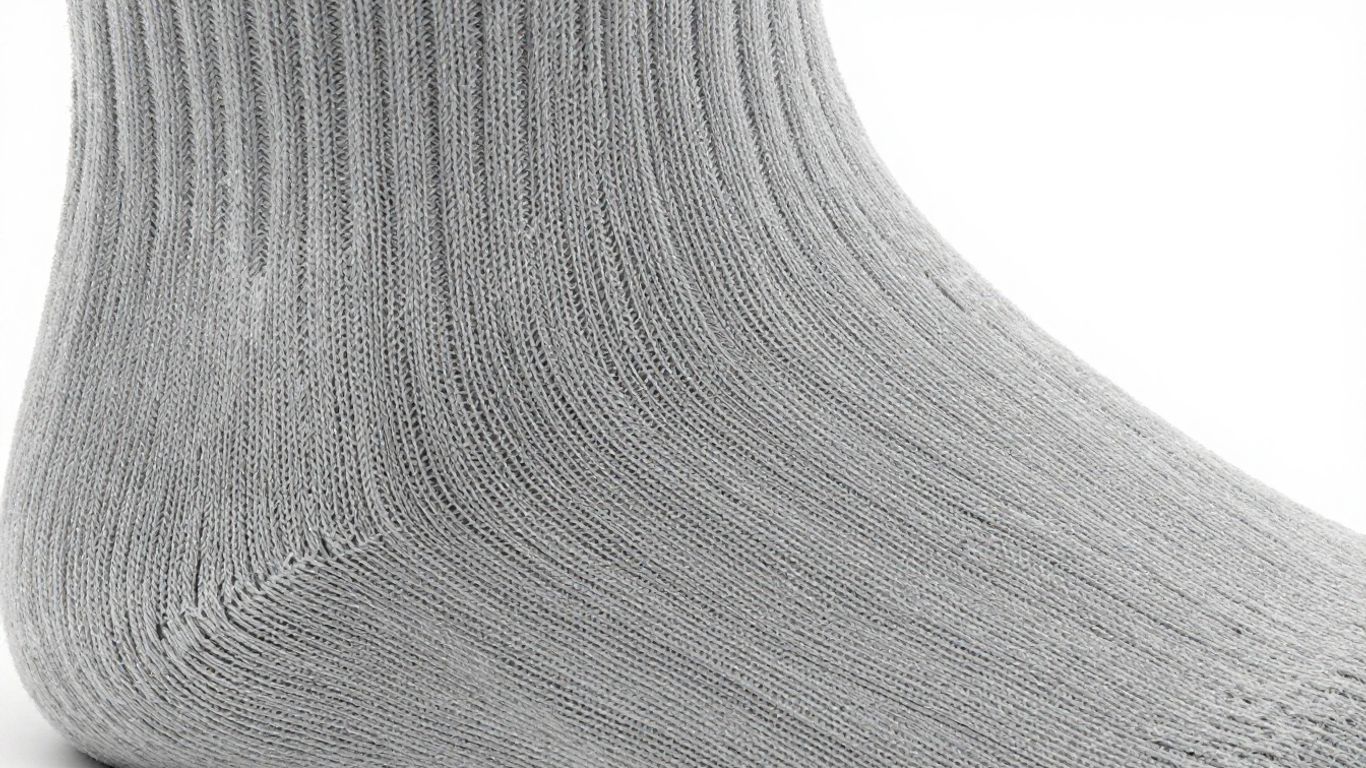
Look, not all work socks are created equal, especially when it comes to cushioning. You're not just standing around; you're on your feet, moving, lifting, and dealing with whatever the job throws at you. That's where targeted cushioning comes in. Instead of padding the entire sock, which can make your boots feel tight and your feet overheat, targeted cushioning puts that soft, shock-absorbing terry loop material exactly where you need it most. Think about the heel, where every step lands with impact, and the ball of your foot, which takes a beating when you're pushing off or standing for ages. These are the pressure zones that really benefit from a little extra padding. It’s like having built-in shock absorbers for your feet, specifically designed for the demands of your workday. This smart approach means you get the comfort and protection without the unnecessary bulk. For anyone spending long hours on hard surfaces like concrete, this kind of focused padding makes a huge difference in reducing fatigue. It’s about getting the most bang for your buck when it comes to foot comfort and support during your shift. Smart padding for long shifts can really change your workday.
The Difference Quality Makes
Built to Last, Wash After Wash
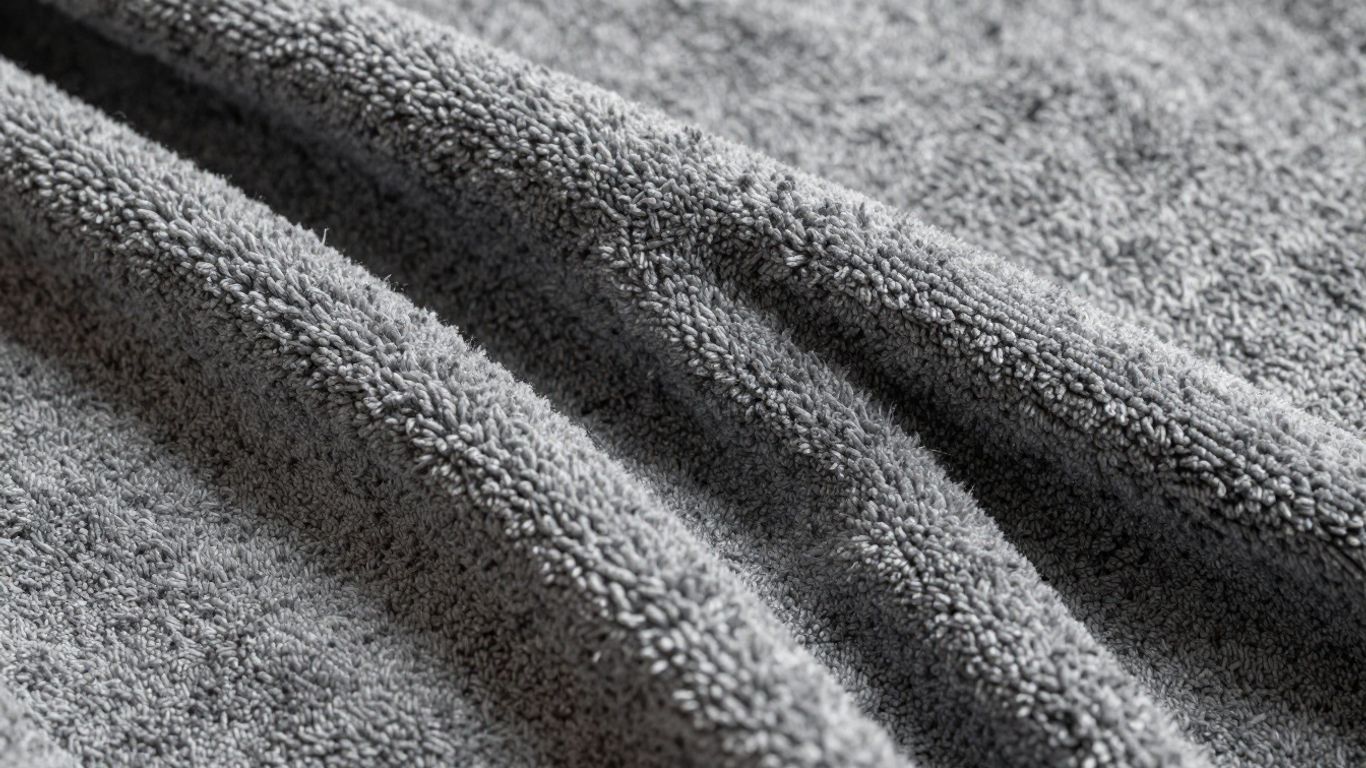
So, you've found some socks with that awesome terry loop cushioning. Great! But here's the thing: not all terry loops are created equal. Cheap socks might feel good for a few wears, but quality terry loop cushioning is built to withstand the daily grind. Think about it – those little loops are doing a lot of work, absorbing shock and keeping your feet comfy. When they're made with good materials and a solid knit construction, they hold their shape and their cushioning power, even after countless trips through the washing machine. Lower-quality socks? Those loops can flatten out pretty quickly, leaving you with less padding and more foot fatigue. It's like comparing a flimsy plastic toy to a well-made tool; one is designed to last, the other is just… there.
When Cheap Just Doesn't Cut It
Look, we all like to save a buck, right? But when it comes to work socks, skimping on quality can really come back to bite you. Those super cheap socks might seem like a steal initially, but they often use lower-grade materials and less durable construction. This means the terry loops might not be as dense, or they might be made from fibers that break down easily. You end up replacing them way more often, which actually costs you more in the long run. Plus, you're constantly dealing with less support and more discomfort. For work, where your feet are your livelihood, investing in socks that are actually built for the job makes a huge difference. It’s about more than just a soft feel; it’s about reliable protection and comfort day in and day out. You want socks that work as hard as you do.
Materials That Matter
The magic of terry loop cushioning isn't just in the loops themselves, but also in what they're made of and how they're knitted. High-quality work socks often use materials like Merino wool blends. Merino wool is fantastic because it's naturally good at managing moisture, keeping your feet drier, and it also helps with temperature regulation – keeping you cooler when it's hot and warmer when it's cold. The knit construction is also key; a tighter, more robust knit means those terry loops will stay put and keep their cushioning properties longer. Cheaper socks might use synthetic blends that don't breathe as well or wear out faster.
Here’s a quick look at how different materials play a role:
- Merino Wool Blends: Great for moisture-wicking, temperature control, and odor resistance. They help maintain the loop structure.
- Durable Synthetics (like Nylon/Polyester): Often blended with wool to add strength and abrasion resistance, helping the loops hold up against tough work environments.
- Cotton Blends: Can be comfortable but tend to hold moisture, which isn't ideal for long, hard workdays. They might not offer the same durability for the loops.
The density and quality of the terry loops, combined with the right material blend, are what truly determine how long your socks will provide effective cushioning and support. Don't underestimate the power of good construction.
When you're looking for socks that will actually support you through long shifts, pay attention to the materials and how the socks are made. It's the difference between a sock that feels good for a week and one that's a reliable partner for months of hard work.
Choosing the Right Terry Loop Socks
Matching Cushion to Your Job
So, you've figured out that terry loop cushioning is pretty sweet for your feet. Awesome! But not all work socks are created equal, and picking the right pair really depends on what you actually do all day. Think about it: someone working on a construction site all day is going to need something different than, say, a chef who's on their feet in a hot kitchen.
- Heavy Duty Jobs: If you're on your feet all day, lifting, carrying, or standing on hard surfaces, you'll want socks with more substantial terry loop cushioning, especially in the heel and ball of your foot. This is where you'll feel the most impact.
- Moderate Activity: For jobs that involve a good amount of walking but maybe less direct impact, a balanced cushioning throughout the sock might be better. This gives you comfort without feeling too bulky.
- Light Duty/Specific Needs: Some jobs might not require heavy cushioning but could benefit from targeted support in the arch or a thinner profile to avoid bunching up in tighter footwear.
The key is to match the sock's cushioning level to the demands of your specific workday.
Considering Your Footwear
Your shoes and socks are a team, and they need to get along. Wearing super thick, cushioned socks with already snug boots is a recipe for discomfort, and maybe even blisters.
- Work Boots: Most work boots have a bit more room, so they can usually handle a good amount of terry loop cushioning. Over-the-calf styles are great here to prevent rubbing and keep debris out. L.L.Bean terry loop socks are a solid choice for this kind of pairing.
- Athletic or Casual Shoes: If you wear sneakers or other athletic-style shoes for work, you might want a sock with a slightly lower profile. Too much cushioning can make your shoes feel tight and change how your foot sits inside them.
- Dress Shoes/Uniform Shoes: These often have less space. You'll want to look for socks with targeted cushioning, meaning the loops are concentrated in key pressure areas like the heel and ball of the foot, rather than being thick all over. This gives you the benefit of cushioning without adding too much bulk.
Always try on your socks with the shoes you plan to wear them with. If your shoes feel tight or uncomfortable after putting on the socks, they're probably not the right match.
Finding Your Perfect Fit
Even the best terry loop socks won't do you any good if they don't fit right. A sock that's too big will bunch up and cause friction, leading to blisters. A sock that's too small will constantly slide down and feel constricting.
- Check the Size Chart: Don't just guess. Brands often have specific sizing charts based on shoe size. Pay attention to these.
- Consider Material Blends: While terry loops are the structure, the material matters. Socks made with blends like Merino wool, cotton, and synthetics offer different benefits for breathability, warmth, and durability. Think about what works best for your work environment.
- Try Them On (If Possible): If you can try socks on in a store, do it! Feel the thickness, check the stretch, and see how they feel around your ankle and calf.
Getting the right fit means your terry loop socks will stay put, providing consistent comfort and protection all day long.
When picking out the perfect terry loop socks, think about what you'll be doing. Are you hitting the trails, working hard, or just chilling at home? The right socks make a huge difference in comfort and how long they last. For a great selection that fits every need, check out our website!
So, What's the Takeaway?
Alright, so now you know that those little loops inside your socks aren't just for show. Terry loops are basically your feet's best friends, especially when you're on them all day. They add that extra bit of padding where you need it most, making those long hours feel a whole lot better. Next time you're grabbing a pair of work socks, take a peek inside. If you see those loops, you're probably looking at a pair that's going to make your feet thank you. It's a small detail, but trust me, your feet will notice the difference.
Frequently Asked Questions
What exactly are those little loops inside my socks?
Those loops you feel are called terry loops. Think of them like tiny, soft towels woven into the inside of your sock. They're created during the knitting process and are the secret ingredient that makes socks feel cushioned and comfy. They also create little pockets of air, which helps keep your feet warm or cool.
How do terry loops help my feet when I'm working?
Terry loops are like mini shock absorbers for your feet. When you're on your feet all day, especially on hard surfaces, these loops help soak up the impact. This means less jarring for your feet and legs, which can help prevent that tired, achy feeling at the end of your shift.
Can terry loop socks really stop blisters?
Absolutely! The extra padding from terry loops creates a softer layer between your foot and your shoe. This reduces the rubbing and friction that often leads to painful blisters. So, your socks act like a protective barrier, keeping your skin happier.
Do all cushioned socks feel the same?
Not at all! Some socks have cushioning all over, which can be great but might feel bulky. Others, like many work socks, use 'targeted cushioning.' This means the terry loops are placed strategically in areas that take the most pressure, like your heel and the ball of your foot, giving you support where you need it most without extra bulk.
Will the cushioning wear out after a few washes?
That's where quality really matters. Good terry loop cushioning is built to last. Cheaper socks might flatten out quickly, but well-made ones will keep their plush feel and support even after many washes. Look for socks made with durable materials and good construction.
Are terry loop socks only for cold weather?
Nope! While the air pockets in terry loops do provide insulation for warmth, they also help with breathability. The loops can wick away moisture from your skin, helping to keep your feet drier and cooler in warmer conditions too. It's all about how they're made and the materials used.