


I've been on my feet for what feels like forever during my 12-hour hospital shifts. It's funny, you think about the shoes, the scrubs, but the socks? They’re kind of an afterthought for most people. But let me tell you, after countless hours walking miles on hard floors, dealing with all sorts of things, the right socks aren't just a comfort thing, they're a survival tool. I’ve learned a lot about what really works, and it turns out, not all socks are created equal when you're on the front lines.
Key Takeaways
- For 12-hour hospital shifts, nurse 12 hour shift socks need to be more than just fabric; look for graduated compression, typically 15-20 mmHg, to help with circulation and reduce fatigue. Materials like merino wool or bamboo blends are great because they wick away moisture and help keep feet dry and odor-free.
- Properly fitting socks are a must. They should be knee-high to provide full compression benefits and stay put without bunching or rolling, which can cause discomfort and affect your stride. Seamless toes are also a big plus to avoid blisters.
- Think about having a sock strategy. This includes having enough pairs so you can rotate them, allowing them to recover between wears. It might also mean bringing an extra pair to change into mid-shift for a refresh, which can make a huge difference by the end of a long day.
The Unsung Heroes Of Your Feet: Nurse 12 Hour Shift Socks

Okay, let's talk about feet. Specifically, your feet after a 12-hour hospital shift. Mine feel like they've personally wrestled a bear and lost. You're on them for hours, walking miles on unforgiving floors, sometimes sprinting, sometimes just standing there trying to remember where you put your stethoscope. Ordinary socks? They're basically tissue paper against a hurricane. They get soaked, they bunch up, and they offer zero support. It’s no wonder my feet used to ache so much I’d consider just hopping everywhere.
Why Your Feet Deserve More Than Just 'Socks'
Seriously, think about it. You wouldn't wear flip-flops to run a marathon, right? So why are we treating our feet like they can handle 12 hours of non-stop action in basic cotton tubes? The hospital floor is like a treadmill set to high, and your feet are the engine. They take a beating from the constant impact, and gravity is always trying to pull all the blood down into your ankles. This is where specialized socks come in. They're not just about comfort; they're about actual physical support and keeping your circulation happy. Ignoring your feet is a fast track to pain and fatigue that can ruin your entire week.
The Science Behind Happy Feet: Compression and Cushioning

So, what makes a sock a nurse's sock? It’s all about two main things: compression and cushioning. Compression socks, specifically graduated ones, gently squeeze your legs. This helps blood flow back up towards your heart, which is a big deal when you're standing or walking all day. It helps reduce swelling and that heavy, tired feeling. Most nurses do great with a 15-20 mmHg compression level, which is enough to make a difference without feeling like a vise grip. Then there's cushioning. Think of it as shock absorption for your feet. Targeted padding in the heel and ball of your foot can make a world of difference when you're pounding the pavement – or, you know, the linoleum.
The right socks can genuinely change your shift. They're a small investment that pays off in reduced pain and increased energy, allowing you to focus on your patients instead of your aching arches.
Beyond Basic Black: Materials That Conquer The Clock
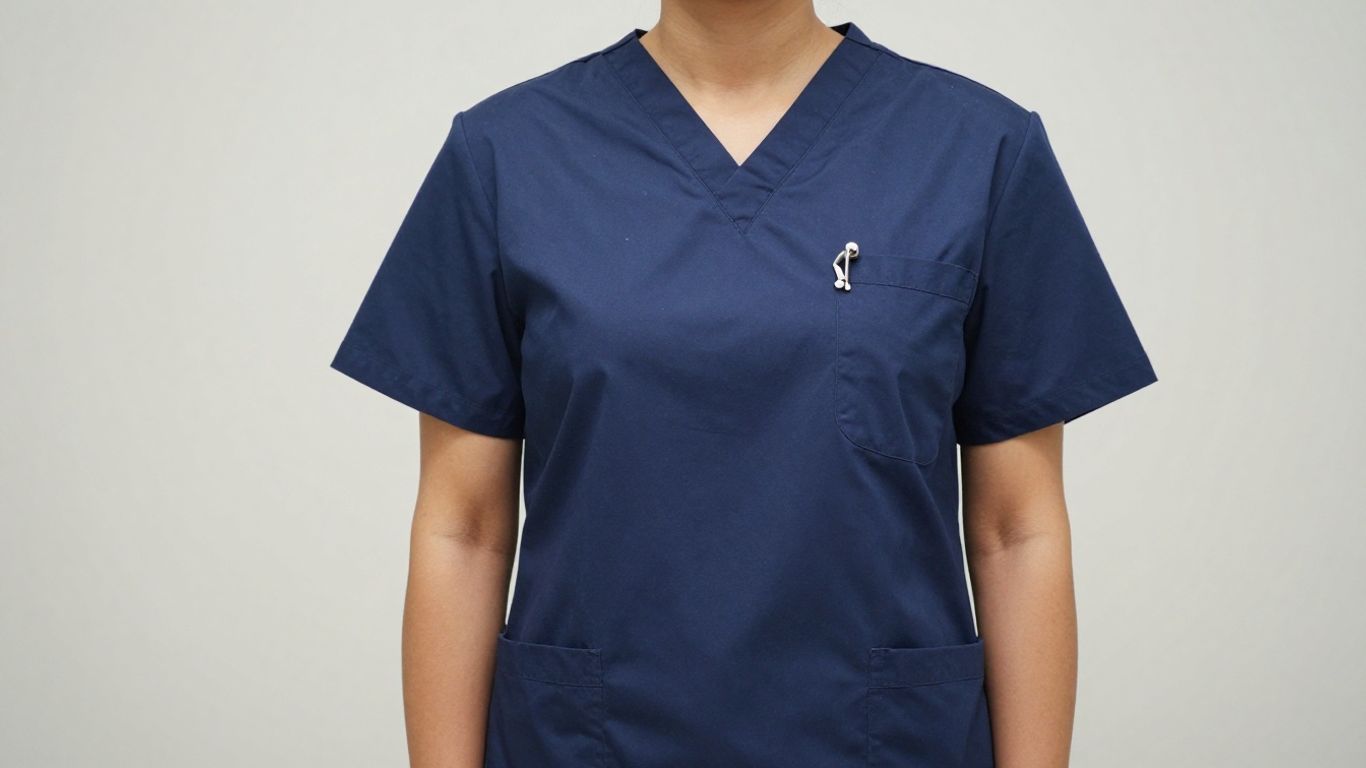
Forget those sad, thin socks that feel like they’re made of disappointment and old dryer lint. When you’re clocking in for a 12-hour marathon, the material of your socks isn't just a detail; it's a survival tactic. I learned this the hard way, thinking any old pair would do. Spoiler alert: they don't. My feet felt like they’d gone 12 rounds with a cement mixer.
Merino Wool: The Goldilocks of Footwear Fibers
Merino wool is like the fairy godmother of sock materials. It’s naturally temperature-regulating, meaning your feet won't feel like they're in a sauna one minute and an icebox the next. Plus, it can soak up a surprising amount of moisture – up to 30% of its weight – before you even start to feel damp. And the best part? It’s naturally resistant to stink. Seriously, you could probably wear the same pair for a few shifts and nobody would be the wiser (though I don't recommend it, laundry day is still a thing). For durability, I look for blends with about 15-25% nylon and a little spandex for stretch. Pure merino just wears out too fast with all the mileage we put on our feet.
Bamboo Blends: Your Feet's Personal Antimicrobial Spa

If odor is your arch-nemesis, bamboo blends are your secret weapon. These guys have natural antimicrobial properties that actively fight off the funk-causing bacteria. They’re also super soft and smooth, which means less friction and a lower chance of blisters. The downside? They aren't quite as tough as merino, so you might need to replace them a bit more often if you're really putting them through the wringer. Still, for a fresh-feeling foot all shift long, they're a solid choice. Many of the best nurse socks combine these materials to get the best of both worlds.
The real game-changer for me was ditching cotton socks entirely. Cotton is the absolute worst for long shifts. It holds onto moisture like a needy toddler, leaving your feet damp, blister-prone, and frankly, a little gross. If your current socks are cotton, consider this your official permission to throw them out and upgrade.
Here’s a quick rundown of what to look for:
- Merino Wool: Great for temperature control and odor resistance. Look for blends.
- Bamboo Blends: Excellent for fighting odor and providing a soft feel. Might need replacing sooner.
- Synthetic Performance Blends: Think CoolMax, Lycra, and nylon. These are champions at wicking moisture away fast, keeping your feet dry. Often blended with natural fibers for the ultimate sock.
When I first started looking into better socks, I was surprised by how much difference the material made. It’s not just about comfort; it’s about preventing problems like blisters and infections. Investing in good socks is like investing in your own well-being during those long hours. You can find some great options designed specifically for nurses on their feet all day.
Sock Strategy: Building Your 12-Hour Shift Arsenal
Alright, let's talk about the real MVP of your 12-hour shift survival kit: your socks. You wouldn't go into battle without the right gear, right? Same goes for conquering the hospital floor. It's not just about slapping on any old pair; it's about building a strategic defense for your feet.
The Mid-Shift Sock Swap: A Game Changer
Seriously, this is where the magic happens. Think about it: you're on your feet for hours, walking miles, and your socks are basically soaking up a marathon's worth of sweat and… well, hospital stuff. Even the most high-tech socks have their limits. Changing your socks halfway through your shift is like hitting a reset button for your feet. It’s a simple trick, but the relief is immediate. You’ll notice less swelling, fewer blisters, and a general feeling of 'wow, my feet don't hate me anymore.' It’s a small effort for a massive comfort upgrade. I usually stash a fresh pair in my locker right after lunch, and it makes the second half of the day so much more bearable. It’s one of the cheapest ways to feel like a superhero.
Sock Rotation: Because Even Heroes Need Laundry Day
Now, about having enough pairs. If you're working those three 12-hour shifts a week, you need a solid rotation. I've found that having at least 5-7 pairs is the sweet spot. This gives each pair a good 48 hours to fully dry out and recover its shape and elasticity between wears. If you're pulling more shifts, you'll want to bump that number up to 7-10 pairs. It might sound like a lot, but trust me, it’s way better than wearing damp, stretched-out socks that offer zero support. Plus, it means you're not constantly doing laundry. It’s a win-win.
Here’s a quick rundown on how many pairs I aim for:
- 3 Shifts/Week: Aim for 5-7 pairs.
- 4-5 Shifts/Week: Bump it up to 7-10 pairs.
Proper sock care is key to making them last. Always wash them after every shift, inside out, in cool or warm water. Skip the fabric softener – it messes with the moisture-wicking magic. And air dry whenever possible. Your feet (and your wallet) will thank you.
Remember, these aren't just socks; they're your foot soldiers in the war against fatigue. Treat them right, and they'll carry you through.
Planning your sock drawer for a long workday doesn't have to be complicated. Think about comfort and durability when picking out your socks for those 12-hour shifts. Having the right pair can make a huge difference in how your feet feel all day long. Ready to upgrade your sock game? Visit our website to find the perfect socks for any job!
So, What's the Verdict on Nurse Attire?
After all this talk about socks that could probably survive a zombie apocalypse and scrubs that feel like pajamas, I've come to a simple conclusion: nurses are basically superheroes in disguise. They're running miles, dealing with… well, everything, and somehow managing to look (mostly) put together. So next time you see a nurse, remember they're not just wearing scrubs; they're wearing a carefully curated uniform of comfort, support, and maybe a little bit of magic. And if you're a nurse reading this, go buy yourself some fancy socks. You've earned it.