


If your job means you're on your feet all day, especially on hard surfaces like concrete, then you know how much your feet can ache by the end of the shift. Finding the right pair of socks can make a huge difference. We're talking about socks that can handle the constant pressure, keep your feet dry, and offer support where you need it most. Forget those thin, basic socks; we're looking for the best socks for concrete floors that actually work.
Key Takeaways
- Look for socks with extra padding in the heel and ball of the foot to cushion impacts from hard floors.
- Graduated compression, around 15-20 mmHg, can help reduce leg fatigue and swelling.
- Materials like merino wool or bamboo blends are great because they wick away moisture and help control odor.
- A snug arch band provides support and stops the sock from bunching up during long hours.
- Over-the-calf socks offer more support and compression coverage up the leg, which is beneficial for standing professionals.
1. DeadSoxy Lonati-Knit Socks
When you're on your feet all day, especially on hard surfaces like concrete, the right socks make a huge difference. DeadSoxy's Lonati-Knit socks are designed with this in mind. They use a special knitting technique that puts cushioning exactly where you need it most – under the heel and the ball of your foot. This isn't just random padding; it's targeted to handle the pressure points that come from standing for long hours.
Instead of just a thick layer everywhere, which can actually make your shoes feel tight and create new problems, these socks have varying knit densities. The areas that take the most impact have denser loops, offering more protection. Other parts of the sock are thinner, which helps with breathability and keeps your feet from getting too hot. This smart design means you get support without added bulk.
These socks are also built to last. High-quality socks like these should hold up well over time. For example, good dress socks are often tested to withstand over 20,000 abrasion cycles and keep their shape after many washes, and you can expect similar durability from work-focused socks like these [0527].
The key is getting protection where the impact is greatest, without making your footwear uncomfortable. This approach helps prevent foot fatigue and discomfort throughout the workday.
Here's a quick look at what makes them stand out:
- Targeted Cushioning: Denser knit under the heel and ball of the foot.
- Variable Knit Density: Thinner midfoot for better airflow.
- Durability: Constructed to withstand daily wear and tear.
- Comfort: Designed to reduce pressure points on hard surfaces.
2. Merino Wool Compression Socks
Merino wool has a lot going for it when you're on your feet all day, especially when it's combined with compression. This natural fiber is great at managing moisture, meaning your feet stay drier, which helps prevent blisters and keeps things from getting too smelly. It also has a natural crimp that gives it a bit of built-in cushioning, which is a nice bonus when you're standing on hard surfaces.
When you add graduated compression to merino wool, you get a sock that does double duty. The compression helps keep blood flowing down in your legs and feet, fighting off that tired, swollen feeling that creeps in after hours of standing. This can make a big difference in how your legs feel by the end of a long shift. The combination of merino's natural properties and compression support makes these socks a solid choice for anyone facing long hours on concrete.
Here's a quick look at why this combo works:
- Moisture Management: Merino wool absorbs moisture vapor before it becomes sweat, keeping your feet drier.
- Temperature Regulation: It helps keep your feet at a comfortable temperature, whether it's warm or cool.
- Odor Resistance: Natural antimicrobial properties mean less odor, even after a full day.
- Circulation Support: Graduated compression aids blood flow, reducing fatigue and swelling.
These socks often come in different compression levels. For general support, 15-20 mmHg is usually enough, but if you deal with significant swelling, you might look into higher levels, though it's good to check with a doctor first. You can find some really good merino wool compression socks designed specifically for long hours of standing, like the Darn Tough Steely Boot Midweight options.
3. Bamboo Viscose Crew Socks
Bamboo viscose crew socks are a solid choice for anyone spending long hours on their feet, especially on hard surfaces like concrete. These socks have a really soft feel, almost silky, which is nice. This softness helps cut down on friction between your foot and the sock, potentially reducing blisters during those marathon standing sessions.
One of the standout features of bamboo viscose is its natural ability to fight off odor-causing bacteria. This is a big plus when you're on your feet for 10-12 hours straight, keeping things feeling fresher. They also tend to manage moisture pretty well, pulling it away from your skin to help keep your feet drier.
Here's a quick look at why they work:
- Softness and Reduced Friction: The smooth fibers minimize rubbing, which is great for preventing irritation.
- Odor Resistance: Natural antimicrobial properties help keep foot odor in check.
- Moisture Management: They wick sweat away, contributing to a more comfortable environment for your feet.
- Breathability: Bamboo viscose generally allows for good air circulation.
While they offer good comfort and some support, they might not provide the same level of targeted cushioning or compression as some other specialized socks. However, for a comfortable, breathable, and odor-resistant option that feels good against the skin, bamboo viscose crew socks are definitely worth considering for your workday. You can find some great options that are made with recycled materials if sustainability is also a priority for you.
4. Over-the-Calf Graduated Compression Socks
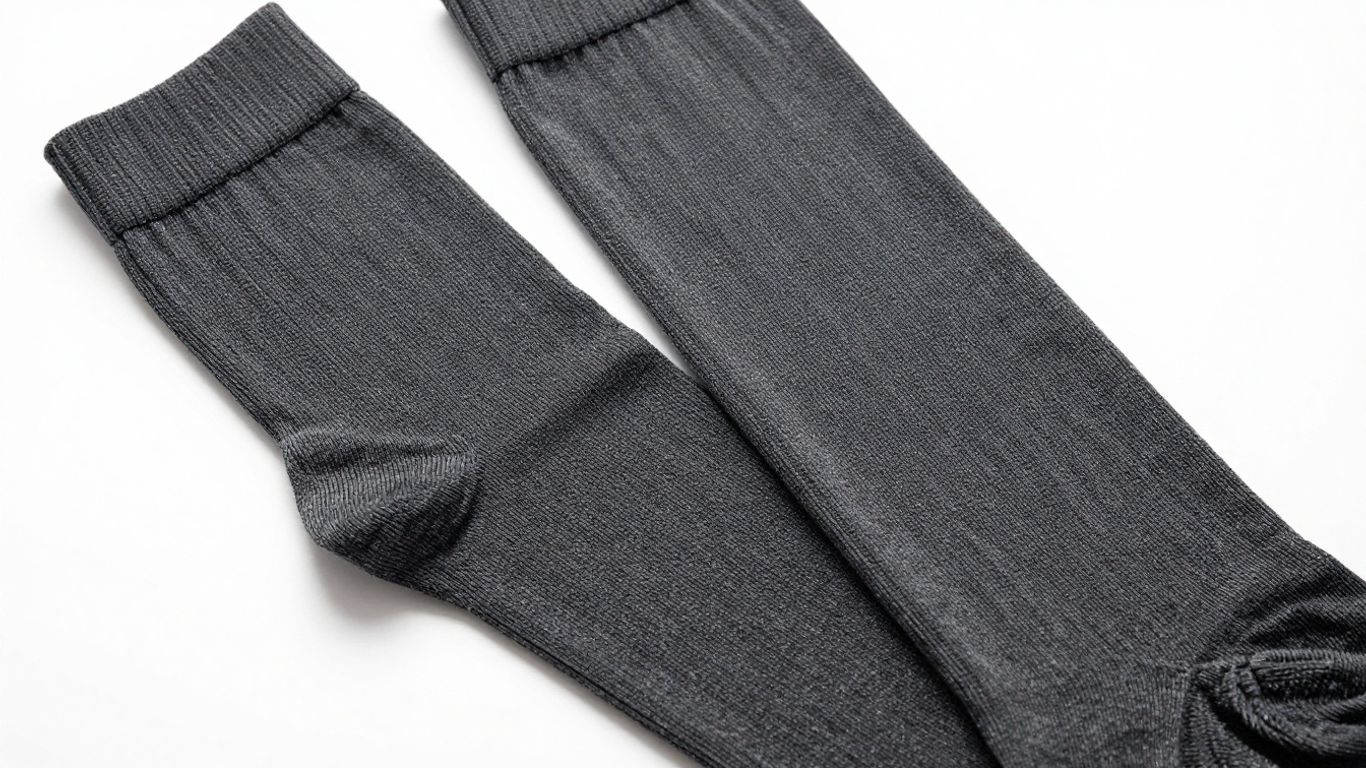
When you're on your feet all day, especially on hard surfaces like concrete, your legs can really feel it. Over-the-calf graduated compression socks are designed to help with this. They apply gentle pressure that's strongest at the ankle and gradually lessens as it goes up your leg. This helps blood flow back up towards your heart, which can reduce swelling and that tired, heavy feeling in your legs by the end of the day.
The key benefit is improved circulation, which combats the pooling of blood that happens when you stand for long periods.
These socks are often made with materials that wick away moisture, keeping your feet drier. Look for compression levels around 15-20 mmHg for general support; higher levels might be needed for specific issues, but it's good to check with a doctor first. The over-the-calf length is important because it covers more of your leg, providing a more consistent compression effect up to the knee. This can make a noticeable difference compared to shorter socks that only cover the ankle and lower calf.
Here's what to look for:
- Graduated Pressure: Strongest at the ankle, decreasing up the calf.
- Over-the-Calf Length: Extends coverage for better circulation support.
- Moisture-Wicking Materials: Keeps feet dry and comfortable.
- Comfortable Cuff: Stays up without digging in.
Proper fit is really important here. If the socks are too tight or bunch up, they won't work as well and could even cause discomfort. Make sure they feel snug but not constricting, and that the top band stays put without sliding down. Finding the right pair can make a big difference in how your legs feel after a long shift.
5. Targeted Heel Cushion Dress Socks
When you're on your feet all day, especially on hard surfaces like concrete, the impact on your heels can really add up. That's where targeted heel cushion dress socks come into play. Unlike socks with full cushioning everywhere, which can sometimes make your dress shoes feel too tight, these socks focus the padding specifically where you need it most – right on the heel.
This strategic placement absorbs shock during the critical heel strike phase of your stride, reducing the jarring sensation that can lead to fatigue and discomfort over long hours. The idea is to provide protection without adding unnecessary bulk. You'll often find these socks use denser terry loops in the heel area. These loops act like tiny springs, softening each step. They also help with airflow, which is a nice bonus.
Here's what to look for:
- Heel Pad Density: The cushioning here should be noticeably thicker than the rest of the sock, but not so thick that it alters your shoe fit.
- Material Blend: Look for materials that wick moisture, like merino wool blends, to keep your feet dry and prevent friction.
- Fit: A well-constructed heel cup is important. It should hug your heel snugly to prevent the sock from shifting and bunching up, which can negate the cushioning effect.
These socks are a smart choice for professionals who need to maintain a polished appearance but can't sacrifice foot comfort. They offer a practical solution for managing the stress of standing on unforgiving floors throughout the workday. If you're looking for options that blend professional style with serious comfort, consider exploring dress socks designed for standing.
The effectiveness of targeted cushioning lies in its precision. By concentrating padding on the heel, these socks address the primary point of impact, offering relief without compromising the fit of dress shoes. This makes them a superior choice over full-cushion alternatives for those who prioritize both comfort and professional appearance.
6. Arch Band Support Socks
When you're on your feet for hours on end, especially on hard surfaces like concrete, your arches take a beating. That's where socks with built-in arch support come into play. These aren't just any socks; they have a specific band, usually made of elastic, that wraps around the middle of your foot. This band provides a gentle squeeze, helping to keep your arch from flattening out too much.
Think about it: your arch is like a natural shock absorber for your body. When it collapses under constant pressure, it can lead to all sorts of foot pain, like plantar fasciitis. Socks designed with arch support aim to prevent this by giving your arch a little extra lift and stability throughout the day. It feels like a subtle hug for your foot, keeping things aligned and reducing strain.
Here's what makes them effective:
- Consistent Support: The elastic band offers steady pressure, unlike a foot that has to work harder on its own.
- Reduced Fatigue: By supporting the arch's structure, these socks help lessen the overall tiredness in your feet and lower legs.
- Improved Alignment: They encourage better foot posture, which can have positive ripple effects up your legs.
When looking for these socks, pay attention to how the arch band feels. It should be snug enough to provide support but not so tight that it cuts off circulation or feels uncomfortable after a few hours. A good arch support sock can make a noticeable difference in how your feet feel at the end of a long shift, contributing to overall foot comfort.
The effectiveness of arch support socks lies in their ability to mimic the natural structure of the foot, providing a stable base that reduces stress on ligaments and muscles during prolonged standing. This targeted compression helps maintain the integrity of the plantar fascia, a common source of discomfort for those on their feet all day.
7. Moisture-Wicking Merino Blends
When your job keeps you on your feet all day, especially on hard surfaces like concrete, managing moisture is a big deal. That's where socks made from merino wool blends really shine. Merino wool is a natural fiber known for its ability to handle moisture really well. It can soak up a lot of water vapor before your feet even start to feel damp. This is a huge plus when you're standing for hours on end.
These blends offer a fantastic balance of comfort, temperature regulation, and odor control, making them a top pick for prolonged standing. Unlike pure cotton, which holds onto moisture and can make your feet feel clammy, merino wool wicks it away from your skin and allows it to evaporate. This keeps your feet drier and more comfortable throughout the day.
Here's why merino blends are a good choice:
- Moisture Management: Merino wool fibers can absorb up to 30% of their weight in moisture vapor without feeling wet. This keeps your feet drier and reduces the risk of blisters.
- Temperature Regulation: The natural crimp of merino wool fibers creates air pockets, providing insulation in cooler temperatures and breathability when it's warm.
- Odor Resistance: Merino wool has natural antimicrobial properties that help fight the bacteria responsible for foot odor, keeping your feet fresher for longer.
The effectiveness of merino wool blends in managing foot climate is directly tied to the fiber's unique structure. Its ability to absorb and release moisture vapor helps maintain a stable microenvironment around the foot, which is key for comfort during extended periods of static standing.
When looking for these socks, you'll often find them blended with other materials like nylon or spandex to add durability and a better fit. These additions help the socks maintain their shape and provide a snug feel without being too tight. For anyone spending their workday on concrete, a good pair of merino wool socks can make a significant difference in overall comfort and foot health.
8. Zoned Cushioning Work Socks
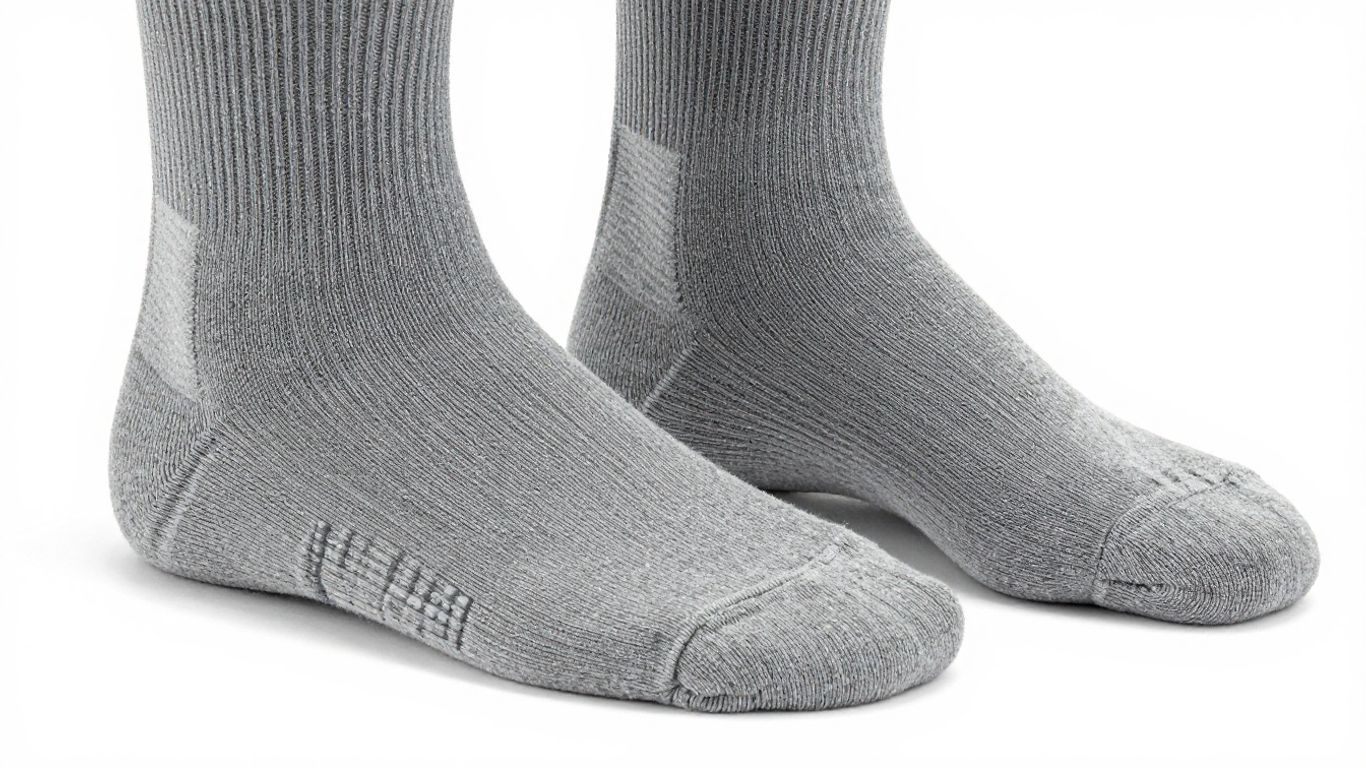
When you're on your feet all day, especially on hard surfaces like concrete, the way your socks cushion your feet really matters. Zoned cushioning is a smart approach because it puts padding exactly where you need it most, without adding bulk everywhere. This means you get protection in key areas like the heel and the ball of your foot, where the most pressure hits when you stand.
Think about it: full cushioning throughout the sock can sometimes make your shoes feel too tight, creating new pressure points. Zoned cushioning avoids this. It uses thicker padding in high-impact zones and keeps other areas thinner for better breathability and a more comfortable fit inside your shoes. This targeted approach helps absorb shock and reduce foot fatigue.
Here's what to look for in zoned cushioning:
- Heel Pad: Extra padding here absorbs the shock when your heel strikes the ground.
- Ball of Foot: This area takes a lot of pressure during standing and walking, so reinforced cushioning is key.
- Arch Support: Some zoned socks include a supportive band to help keep your arch from collapsing.
These socks often use a construction method called terry loops on the inside. These loops create a soft, air-filled layer that acts like a mini shock absorber. The density and placement of these terry loops are what make zoned cushioning so effective for long hours on concrete.
The goal of zoned cushioning is to provide support and impact absorption precisely where the foot experiences the greatest stress during prolonged standing. This strategic placement prevents unnecessary bulk, which can alter shoe fit and lead to discomfort, while still offering significant protection against hard surfaces. It's about smart design, not just thickness.
When choosing, pay attention to the material blend, as many work socks combine durable synthetics with softer fibers for comfort. A good pair will feel supportive without being restrictive, helping your feet stay more comfortable throughout your shift. For options that focus on this targeted support, you might find Darn Tough Steely Boot Midweight socks to be a good starting point, as they are known for their robust cushioning.
9. Seamless Toe Compression Socks
When you're on your feet all day, especially on hard surfaces like concrete, the last thing you want is a sock that irritates your toes. That's where seamless toe construction becomes a real game-changer. Standard socks often have a raised seam where the material is stitched together at the toe. Over hours of standing and walking, this seam can rub and chafe, leading to blisters and general discomfort. Socks with a seamless toe, however, have this area either flat-knit or hand-linked, meaning there's no noticeable ridge inside the sock. This smooth finish prevents friction, keeping your toes happy even after a long shift.
Beyond just the toe, these socks often incorporate compression. This isn't just about feeling snug; it's about actively helping your circulation. Graduated compression, where the pressure is tightest at the ankle and lessens as it goes up the leg, helps push blood back towards your heart. This can really cut down on swelling and that heavy, tired feeling in your legs by the end of the day. For those who stand for long hours, this improved blood flow is a significant benefit.
Here's what to look for in a good seamless toe compression sock:
- Toe Construction: Absolutely no raised seams. Look for terms like 'hand-linked' or 'flat toe seam'.
- Compression Level: For general support, 15-20 mmHg is usually sufficient. If you experience significant swelling, you might consider higher levels, but it's good to check with a doctor first.
- Material: Blends with merino wool or bamboo are excellent for managing moisture and odor, keeping your feet dry and comfortable.
- Fit: The sock should fit snugly without cutting off circulation. The cuff should stay up without digging into your calf.
The absence of a prominent toe seam significantly reduces the risk of friction-induced irritation and blisters, a common complaint among individuals who spend extended periods standing. This seemingly small detail can make a substantial difference in overall foot comfort throughout a demanding workday.
Many brands now offer socks that combine this seamless toe feature with graduated compression, providing a dual benefit for foot health and comfort. It's a smart choice for anyone whose job keeps them on their feet, helping to mitigate the daily stress placed on your lower extremities. You can find options that look like regular dress socks but pack all the performance benefits for nurses and retail workers.
10. Reinforced Heel Merino Socks
When you're on your feet all day, especially on hard surfaces like concrete, the wear and tear on your socks can be significant. This is where socks with reinforced heels come into play. Merino wool is a fantastic material for this because it's naturally durable, breathable, and helps manage moisture. Adding reinforcement to the heel area means these socks can withstand the constant friction and pressure without breaking down quickly.
These socks are designed to provide extra protection and longevity in a high-impact zone. The natural crimp of merino wool fibers also offers a bit of inherent cushioning, which is a nice bonus when you're standing for hours. You'll find that this combination of material and construction helps reduce the feeling of impact with every step.
Here's why reinforced heel merino socks are a solid choice:
- Enhanced Durability: The reinforced heel section is built to last longer, preventing premature thinning and holes that often develop in this area.
- Improved Comfort: The extra padding and support in the heel can make a noticeable difference in reducing foot fatigue.
- Moisture Management: Merino wool wicks away sweat, keeping your feet drier and more comfortable, which is important for preventing blisters and odor.
- Temperature Regulation: These socks help keep your feet at a comfortable temperature, whether it's warm or cold.
For those who spend their entire workday on concrete, investing in socks that offer this kind of targeted reinforcement is a smart move. It's about extending the life of your socks and, more importantly, taking care of your feet. You might consider looking into options like the Darn Tough Steely Boot Midweight for a blend of merino wool and robust construction.
The constant impact and friction on concrete floors place unique demands on footwear. Socks with reinforced heels are engineered to address this specific stress point, offering a more resilient and comfortable experience throughout the day. This targeted reinforcement is key to preventing premature wear and enhancing overall foot support.
Our Merino socks are built tough, especially in the heel area, so they last longer. These socks are designed to keep your feet comfy and protected, no matter the job. Want to see how durable they really are? Check out our full collection on our website!
Wrapping Up: Your Feet Will Thank You
So, after all this talk about socks, it really comes down to a few key things. You need socks that can handle standing on hard floors for hours. That means good cushioning where you need it, especially on the heel and the ball of your foot. Materials that wick away sweat are a big deal too, because nobody likes damp feet. And don't forget about support, like a snug arch band. If you're looking for the best, consider socks that go up to your calf, as they can help with circulation. Investing in a few good pairs might seem like a lot upfront, but trust me, your feet will feel a whole lot better at the end of a long day. It's not just about comfort; it's about taking care of yourself when your job keeps you on your feet.
Frequently Asked Questions
Do I really need special socks for standing on concrete all day?
While not strictly required, special socks make a huge difference! They have padding in the right spots, like your heel and the ball of your foot, to soak up the shock from hard floors. They also help keep your feet dry and supported, which means less pain and tiredness at the end of a long day.
What makes a sock good for standing jobs?
The best socks for standing have a few key features. Look for cushioning to protect your heels and the balls of your feet, arch support to keep your foot from collapsing, and materials that wick away sweat, like merino wool or bamboo. Graduated compression is also a big plus to help blood flow and reduce swelling.
Is merino wool or bamboo better for work socks?
Both are great choices! Merino wool is awesome because it keeps your feet warm when it's cold and cool when it's hot, and it doesn't get smelly easily. Bamboo is also good at wicking away moisture and has natural anti-bacterial qualities, which is great for keeping feet fresh. Avoid pure cotton, as it holds onto sweat.
How high should my socks be for standing all day?
Over-the-calf socks are usually the best bet. They cover more of your leg, which helps with blood flow and keeps you from having that awkward gap of skin between your socks and pants when you move. They also help distribute compression better.
How much should I expect to pay for good standing socks?
You can expect to spend around $15 to $30 for a really good pair of socks designed for standing. Cheaper socks often lack the special padding and support that makes a real difference. Investing in a few quality pairs means they'll last longer and feel much better on your feet.
How often should I replace my work socks?
If you have about 5 to 7 pairs and rotate them daily, good quality socks can last you about a year to a year and a half. You'll know it's time to replace them when the cushioning feels flat, the arch support isn't snug anymore, or the elastic band at the top loses its grip.