


Are you still wondering whether you should wear socks with track spikes or track shoes? The short answer is yes, but the real question is not just socks or no socks. It is your event, your shoe fit, and how much rubbing your feet can handle.
For most training days, cross country runs, or first-time spike users, a thin, snug sock is the safest place to start. Going sockless can work for some sprinters, but only if the spikes fit well and you have already tested it in practice. Thick socks usually create more problems than they solve because they can change the fit of the shoe and make spikes feel less connected to the track.
Quick Answer
If you are not sure what to wear, start with thin socks. They give you a layer between your foot and the shoe without making track spikes feel bulky or tight. Sockless can work, but it is more of a tested race-day choice than a default option.
| Option | Best For |
|---|---|
| Thin socks | Training, first-time spike users, cross country, and runners who often get hot spots or blisters. |
| Sockless | Some sprinters, short races, and runners who have already tested it in practice. |
| Thick socks | Rare cases where the shoe has extra room, or comfort matters more than track feel. |
Why Most Runners Wear Socks With Track Spikes
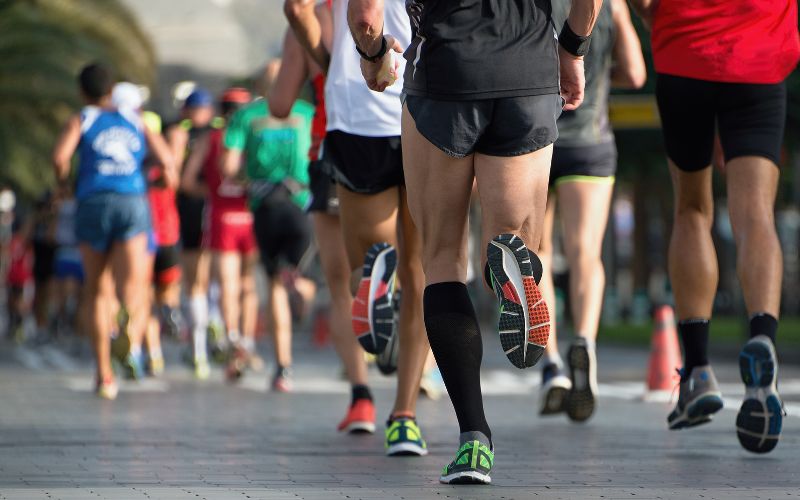
Most runners wear socks with track spikes because bare skin inside a tight shoe can turn small rubbing into a problem pretty fast. Track spikes are made to fit close to your foot, which helps with control, but that close fit also leaves less room for sweat, friction, and small pressure points.
That matters because friction, heat, and moisture are common reasons blisters form. A thin, moisture-wicking sock gives your foot a light barrier inside the shoe and can help reduce the chance of foot blisters.
That is why a thin sock is usually the safest starting point. You are not trying to add thick cushion here. You are trying to keep the spike fit clean while giving your skin some protection.
When Going Sockless Can Work
Going sockless can work for some sprinters because it gives a closer feel inside the spike. With less material between your foot and the shoe, the fit can feel sharper and more direct, which some runners like for short races.
But sockless should not be your first experiment on race day. If you want to try it, test it in practice first. Run a few short sessions, check for rubbing around the heel, toes, and sides of the foot, and see how your skin feels after the shoe comes off.
If you feel hot spots early, that is your warning sign. In that case, a thin sock is usually the better choice. Sockless only makes sense when your spikes fit well, your foot does not slide inside the shoe, and you already know your skin can handle it.
Why Thick Socks Usually Do Not Work Well in Track Spikes
Thick socks are usually not the best match for track spikes. Spikes are designed to fit close, so adding extra sock bulk can make the shoe feel tighter than it should. That can create pressure around the toes, heel, or sides of the foot.
The other issue is feel. Track spikes are meant to feel sharp and connected to the track. If the sock is too thick, it can dull that close fit and make your foot feel less stable inside the shoe.
This does not mean thick socks are always wrong. If your shoes have extra room, or you care more about comfort than track feel, they may be fine for casual use or warm-ups. But for most spike sessions, especially sprinting or racing, thin socks usually make more sense.
If you want a deeper breakdown, read our guide on whether running socks should be thick or thin.
How to Pick Socks for Track Spikes
Once you decide to wear socks, do not just grab any pair from your drawer. Track spikes fit tighter than normal running shoes, so small details matter. Use these checks before training or racing.
Check the Sock Inside the Spike
Put on your socks and spikes, lace them up, then walk or jog for a minute. Your toes should not feel cramped, your heel should not lift, and the sock should not fold under your foot. If the shoe suddenly feels tight or uneven, the sock is probably too bulky or not fitted well enough.
Look at the Toe Seam and Heel Fit
The toe area should feel flat, not raised or scratchy. The heel of the sock should sit where your heel actually is, instead of pulling forward or bunching behind the ankle. In tight spikes, even a small fold can become annoying once you start sprinting.
Choose Materials That Stay Light and Dry
For spike work, avoid thick cotton socks that stay damp and take up space inside the shoe. A better choice is a thin performance sock made with synthetic fibers that retain shape and keep a snug fit, such as nylon, polyester, or spandex blends.
Merino wool can also make sense, especially for regular track shoes, warm-ups, low-cut shoes, or spikes with a little more room. Merino fibers can absorb moisture vapor and move it away so it can evaporate, which helps your feet feel less damp during longer sessions or warmer days. Just do not force a thick wool sock into a super-tight sprint spike. The material is useful, but the shoe fit still comes first.
Match the Sock Height to the Shoe Collar
No-show socks can work, but only if they stay up. If the back of your spike rubs your heel or Achilles area, choose an ankle or quarter sock instead. The goal is simple: keep fabric between your skin and the part of the shoe that rubs.
Test Them Before Race Day
A sock can feel fine standing still and still fail once you run hard. Try the pair during warm-ups, strides, or a short workout first. If you notice rubbing, slipping, or pressure points, switch socks before using them in a race.
Socks for Sprinting, Distance, and Cross Country

Your event matters. Track and field includes everything from 100m sprints to long-distance track races and cross country, so the best sock setup is not exactly the same for every runner.
Sprinting
For short sprints, the shoe fit matters more than cushion. You want the spike to feel locked in, with no sliding at the heel and no fabric bunching under the toes. If you wear socks, go with the thinnest pair that still protects your skin.
Going sockless can work here, but only if you have already tested it in practice. If your foot moves inside the spike, or if you feel rubbing during warm-ups, do not force it. A thin sock is the safer choice.
Middle-Distance and Long-Distance Track
For 800m, 1500m, 3000m, or longer track workouts, socks usually make more sense. You are spending more time in the shoe, so small pressure points have more time to turn into hot spots.
A thin, close-fitting sock is still the best starting point. You do not need a thick sock unless your spikes genuinely have extra room. The main goal is to keep the shoe secure while giving your skin a little protection.
Cross Country
Cross country is different because the surface is less predictable. Courses can include grass, woodland paths, gravel, roads, and hills, so your feet may deal with more moisture, more movement, and more rubbing than on a clean track.
For cross country, socks are usually the better call. Choose a pair that stays up, does not twist, and gives enough coverage around the heel and ankle. No-show socks can work, but if they slide down once the course gets wet or muddy, they become a problem fast.
Training Days vs Race Day
For training, wear socks. It gives you more protection while you are still getting used to the spike, the workout, or the event.
For race day, use the setup you already tested. If you race in thin socks, train in that same pair or a very similar pair first. If you race sockless, make sure your skin has already handled that exact spike without rubbing.
What to Wear When You Are Not in Tight Race Spikes
If you want more ankle coverage and underfoot cushioning for training, padded athletic ankle socks are the better fit. The ankle height gives a little more coverage around the shoe collar, while the padded sole and snug fit help reduce early rubbing and delay hot spots during longer workouts.
If you prefer a more secure feel, compression running socks are another option. The ankle and crew lengths give you more coverage choices, and the supportive fit works better for training shoes, warm-ups, and longer sessions where you want the sock to stay put.
For warmer days, low-cut shoes, or runners who care more about breathable comfort, merino wool socks are the more natural material choice. The 53% merino wool blend helps manage moisture, while the low-profile height works better with sneakers or regular track shoes than with very tight racing spikes.
Conclusion
For most runners, wearing socks with track spikes or track shoes is the safer choice. Start with a thin, snug sock, test any sockless setup in practice, and save thicker or more supportive socks for training shoes, warm-ups, or roomier spikes.
FAQ
Do you wear socks with track spikes?
Yes, most runners should wear socks with track spikes, especially for training, cross country, or first-time spike use. A thin, snug sock gives your skin a little protection without changing the shoe fit too much.
Can you wear track spikes without socks?
You can, but it is not the best starting point for most runners. Going sockless works better for some sprinters who have already tested the same spikes in practice. If you feel rubbing during warm-ups, wear socks.
Are thick socks good for track spikes?
Usually not for tight racing spikes. Thick socks can make the shoe feel cramped and reduce the close track feel. They make more sense for warm-ups, training shoes, or spikes with extra room.
What socks are best for track spikes?
Thin, fitted socks usually work best. Look for socks that stay flat, do not bunch under the toes, and manage sweat well. If the shoe collar rubs your heel, ankle socks may be safer than no-show socks.
Should beginners wear socks with track spikes?
Yes. Beginners should start with socks because their feet are still getting used to the tighter fit of spikes. Once you know how your feet react, you can test thinner socks or sockless setups in practice.
What should I do if my socks bunch up in spikes?
Do not race in them. Bunching means the sock is either too loose, too thick, or not shaped well for the shoe. Try a thinner, closer-fitting pair before your next workout.