


So, you're looking to buy some merino wool work socks? Smart move. These aren't your grandpa's itchy wool socks; merino is a game-changer for comfort and performance, especially when you're on your feet all day. Whether you're out in the elements or just need something reliable for the office, picking the right pair can make a huge difference. This merino wool sock buying guide is here to help you sort through the options and find the perfect fit for your work life. Let's get you sorted.
Key Takeaways
- Merino wool socks are a worthwhile investment due to their natural temperature regulation, moisture-wicking, and odor-resistant properties, making them superior to cotton or synthetic alternatives for long wear.
- When buying, check the merino content – blends with nylon (around 55-70% merino) often offer the best balance of softness, durability, and performance for work socks.
- Consider the weight and thickness based on your work environment: lighter weights for offices and warm weather, midweights for general use and hiking, and heavyweights for extreme cold.
- Look for construction details like seamless toes and reinforced heels/toes, which significantly improve comfort and extend the lifespan of your socks.
- While merino is excellent, other wools like lambswool offer a budget option, and alpaca provides superior warmth for extreme cold, though merino generally remains the most versatile for varied work conditions.
Understanding The Value Of Merino Wool Work Socks
So, you're looking at work socks and wondering if that merino wool price tag is really worth it. I get it. It seems like a lot for something that just covers your feet, right? But trust me, once you experience what these socks can do, you'll probably wonder how you ever managed without them. They're not just socks; they're like a little bit of nature's engineering for your feet.
Why Merino Wool Socks Are Worth The Investment
Think about your feet. They're working hard all day, whether you're on a construction site, in a warehouse, or just on your feet for hours in an office. Regular socks can leave you with sweaty, smelly feet, or worse, blisters. Merino wool socks are designed to tackle these problems head-on. They offer a level of comfort and performance that standard cotton or synthetic socks just can't match. It's about investing in your comfort and well-being throughout the workday.
The Unique Properties Of Merino Wool
What makes merino wool so special? It all comes down to the fibers themselves. They're incredibly fine, much finer than the wool you might remember from scratchy sweaters. This fineness means they feel soft against your skin, not itchy. Plus, merino has some built-in superpowers:
- Temperature Regulation: These socks work with you, keeping your feet warm when it's cold and surprisingly cool when it's hot. The fibers trap air for insulation but also breathe well.
- Moisture Management: Merino can soak up a lot of moisture – way more than cotton – before your feet even start to feel damp. This is a game-changer for long days.
- Odor Resistance: Thanks to natural properties in the wool, merino socks can be worn multiple times before they start to smell. Seriously, you can go days without needing to wash them, which is a lifesaver when you're traveling or just busy.
- Durability: While they feel soft, merino fibers are tough. They can bend many, many times before breaking, meaning a good pair can last you a long time.
Merino wool's ability to manage moisture and regulate temperature means your feet stay drier and more comfortable, reducing the risk of blisters and discomfort, no matter the conditions.
Merino Wool Versus Other Fibers
Let's break down how merino stacks up against the usual suspects:
| Fiber Type | Moisture Absorption (approx.) | Odor Resistance | Temperature Regulation | Softness | Durability | Cost |
|---|---|---|---|---|---|---|
| Merino Wool | Up to 30% of weight | Excellent | Excellent | High | Good | Higher |
| Cotton | ~7% of weight | Poor | Poor | Medium | Poor | Lower |
| Synthetics (Polyester, Nylon) | Varies (wicking) | Fair | Fair | Varies | Good | Medium |
As you can see, merino wool really shines in comfort and performance. While synthetics might offer good durability and moisture-wicking, they often fall short on odor control and natural temperature regulation. Cotton is cheap, but it holds moisture and doesn't do much for temperature or smell. For work, where your feet are under constant stress, the benefits of merino wool are pretty clear. If you're looking for socks that can handle a lot, check out some hiking socks that often use merino for its performance.
Key Features To Consider In Your Merino Wool Sock Purchase
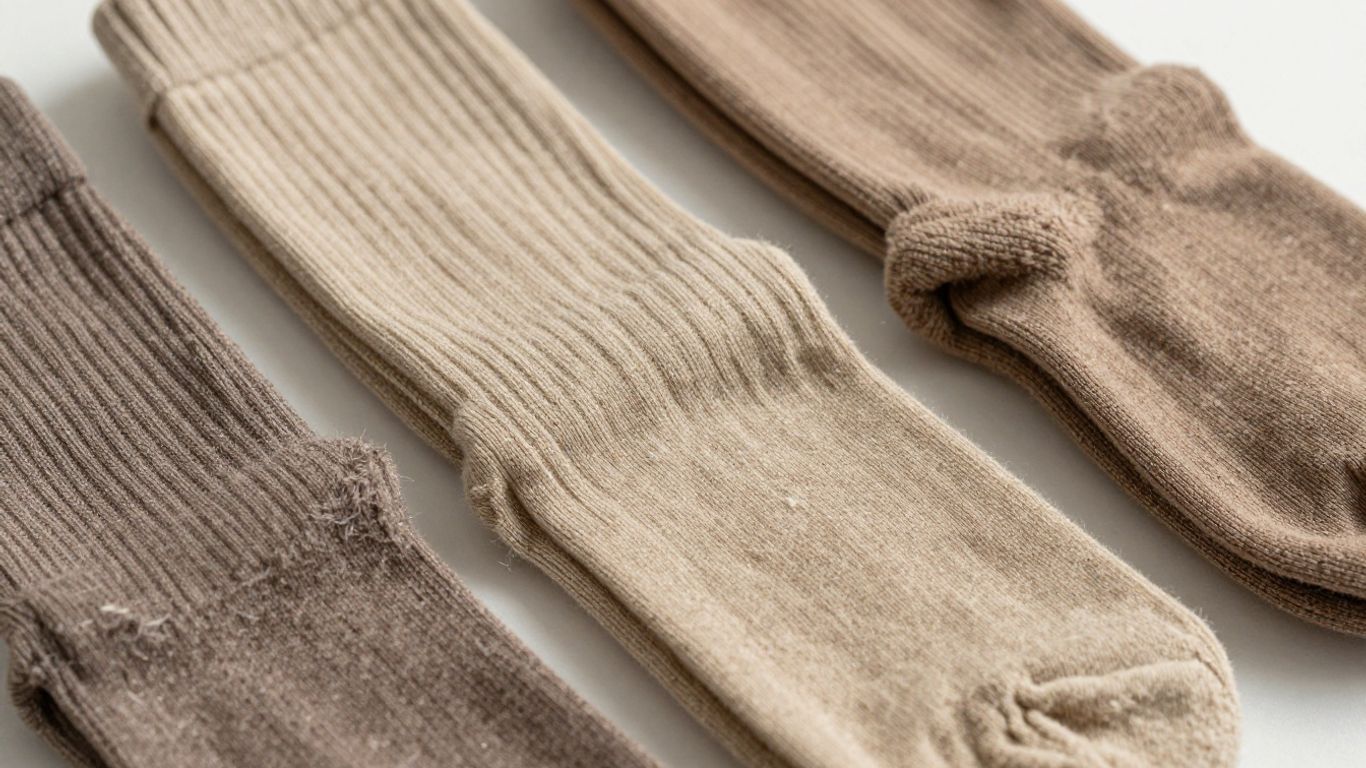
So, you're ready to step up your sock game with merino wool. That's a smart move. But not all merino socks are created equal, and knowing what to look for can make a big difference in comfort and how long they last. Let's break down the important stuff.
Merino Content: Finding The Optimal Blend
When you look at merino wool socks, you'll see a range of merino percentages, from around 30% all the way up to 100%. It might seem like more merino is always better, but that's not quite the whole story. Pure 100% merino socks give you the most natural benefits – maximum softness, warmth, and that amazing odor resistance. They're fantastic for really cold days or when you just want the best natural performance. However, without any help, they can wear out a bit faster, especially in high-friction spots like your heels and toes.
This is where blends come in. Socks with around 50-80% merino wool, mixed with synthetic fibers like nylon or polyamide, often hit the sweet spot. That added nylon gives the socks extra toughness where you need it most, making them last much longer. Many of the best socks for hiking use this kind of blend, usually around 60-70% merino. If you see a sock with very little merino, like under 40%, it might just be using the name for marketing. You probably won't get the full benefits of merino at that low percentage.
Weight And Thickness For Different Activities
Merino socks come in various weights, and picking the right one really depends on what you'll be doing. It's like choosing the right tool for the job.
- Ultralight/Liner Weight: These are super thin and breathable. Think of them for running shoes, hot weather hikes, or even wearing inside dress shoes if you want to keep your feet cool and dry without adding bulk.
- Lightweight: This is your all-arounder. Great for daily wear, casual walks, and most office settings. They offer enough cushion for comfort but won't make your shoes feel too tight.
- Midweight: You get more cushioning here, especially on the sole and heel. These are best for cooler weather hikes, everyday wear when it's chilly, and work boots.
- Heavyweight/Expedition: Maximum warmth and padding. These are built for serious cold, like mountaineering or heavy-duty winter boots.
Fit And Construction Details For Durability
Beyond the material and weight, a few construction details can really make or break a pair of merino wool socks. These are the little things that add up to a better experience and longer-lasting socks.
- Seamless Toe Closure: This is a big one, especially if you plan on doing a lot of walking or hiking. A seamless toe means there's no irritating ridge inside your shoe that can cause blisters over time. If you're buying socks for demanding activities, this is pretty much a must-have.
- Arch Support: You'll often find a slightly tighter knit around the middle of the sock. This is designed to give your arch some support and, more importantly, keep the sock from sliding down or bunching up inside your shoe. Bunching is uncomfortable and can lead to hot spots.
- Reinforced Heel and Toe: Look for socks that specifically mention added nylon or a similar tough material in the heel and toe areas. These are the spots that get the most friction from your shoes and walking. Reinforcements here dramatically increase how long your socks will last. It's a simple feature that adds a lot of life to the sock.
When you're looking at socks, especially for work or long days on your feet, think about how they're put together. Details like a seamless toe and reinforced wear areas aren't just fancy features; they directly impact your comfort and the sock's ability to hold up over time. It's worth paying a little extra for these construction elements. These socks are a good example of prioritizing these features for comfort.
Choosing the right blend, weight, and paying attention to construction details will help you find merino wool socks that feel great and stand up to whatever your workday throws at them. It's about getting the most bang for your buck and keeping your feet happy.
Selecting Merino Wool Socks For Specific Work Environments
Alright, so you've got your merino wool socks, but now you're wondering how to pick the right pair for your actual job. It's not a one-size-fits-all situation, believe me. What works for someone out on a construction site might be way too much for an office job, and vice-versa. Let's break it down so you can get the best performance out of your feet, no matter where you're headed.
Choosing Socks For Demanding Outdoor Jobs
If your workday involves a lot of moving around outside, maybe in construction or landscaping, you need socks that can handle some serious abuse. You're looking for socks with a good amount of merino content, usually somewhere between 50-70%, blended with nylon for extra toughness. This blend gives you the comfort and temperature regulation of merino, plus the durability to stand up to rough boots and tough terrain. A midweight or even heavyweight sock makes sense here, offering extra cushioning in the heel and ball of your foot where you need it most. Don't forget about the length; crew or over-the-calf styles are usually best to keep debris out and prevent chafing from your boots. Look for reinforced heels and toes because those are the spots that wear out the fastest.
- Midweight to Heavyweight: For added cushioning and warmth.
- Crew or Over-the-Calf Length: To keep out dirt and protect your legs.
- Reinforced High-Wear Areas: Crucial for extending the sock's life.
- Arch Support: Helps keep the sock from sliding down inside your boot.
When you're out in the elements all day, your feet are going to sweat. Merino wool is fantastic because it wicks that moisture away, keeping your feet drier and more comfortable. This is a big deal when you're trying to avoid blisters and stay warm, even if it gets a little damp.
Appropriate Socks For Office And Business Casual Settings
Now, if your work environment is more about sitting at a desk or moving between meetings, you can go a bit lighter. For office and business casual settings, you want a sock that's thin enough to fit comfortably inside dress shoes without bunching up. A fine-gauge knit is key here, giving you that smooth look. Merino content can still be high, maybe 70% or more, for that all-day comfort and odor control, but the weight will be much lighter – think ultralight or lightweight. Solid colors or subtle patterns are usually the way to go. These socks might not need the heavy-duty reinforcement of outdoor socks, but good construction still matters for longevity. You can find some great options designed specifically for daily wear that balance performance with a professional appearance.
Best Merino Wool Socks For Extreme Cold Conditions
When the temperature really drops, and you're facing serious cold, you need to think about maximum warmth. While heavyweight merino is good, alpaca wool often takes the crown for pure insulation because its fibers are hollow, trapping more heat. However, if you're going to be active in the cold (like shoveling snow or working outdoors), merino's superior moisture-wicking is still a big advantage. A clammy foot in the cold is miserable. For the absolute best performance in extreme cold, consider layering: a thin merino liner sock to manage moisture, topped with a thicker alpaca or heavyweight merino sock for insulation. This two-layer approach often outperforms a single, super-thick sock. Make sure your outer socks have a snug fit to prevent heat loss and keep out drafts.
- Alpaca or Heavyweight Merino: For maximum warmth.
- Layering System: A thin liner under a thicker sock works wonders.
- Moisture Wicking: Still important, even in the cold, to prevent dampness.
- Snug Fit: Prevents heat from escaping and cold air from getting in.
Maximizing The Lifespan Of Your Merino Wool Socks
So, you've invested in some quality merino wool work socks. That's great! They're comfortable, they keep your feet happy, and they don't get stinky after one wear. But like any good thing, they won't last forever if you don't treat them right. Luckily, taking care of them isn't rocket science. A little attention goes a long way.
Proper Washing And Drying Techniques
This is probably the most important part. Hot water and high heat are the enemies of wool. Think of it like this: you wouldn't blast your favorite wool sweater in a hot wash and then throw it in a scorching dryer, right? Your socks deserve the same respect.
- Always wash in cold or lukewarm water. Never hot. Hot water can cause the wool fibers to felt and shrink, which is a one-way ticket to a pair of socks that fit your kid, not you.
- Use a mild detergent. Nothing too harsh. And definitely skip the fabric softener. It coats the fibers, messing with their natural ability to wick moisture and fight odors. You're paying for those properties, so don't ruin them.
- Turn them inside out before washing. This helps reduce pilling on the outside and cleans the part that actually touches your sweaty feet more effectively.
- Air dry whenever possible. Lay them flat on a towel or a drying rack. If you absolutely have to use a dryer, use the lowest heat setting possible, or even just the air-fluff cycle. High heat is the number one killer of wool socks.
Washing your merino wool socks correctly is key. It's not just about getting them clean; it's about preserving the integrity of the wool fibers so they continue to perform their best, keeping your feet comfortable and dry throughout your workday.
Storage And Care For Longevity
Once they're clean and dry, how you store them matters too. Moths are surprisingly fond of wool, so if you're storing them for a while (maybe switching to lighter socks for summer), take precautions.
- Store them clean and completely dry. Damp wool can develop mildew.
- Consider cedar blocks or lavender sachets in your sock drawer. These natural repellents can help keep moths away.
- Avoid cramming them into a drawer. Give them a little breathing room if you can. This helps maintain their shape.
Understanding Cost Per Wear
It's easy to look at the price tag of merino wool socks and balk. They're definitely more expensive upfront than a multipack of basic cotton socks. But let's do some quick math. A pair of decent cotton socks might cost you $5 and last maybe 3-4 months with regular wear before developing holes or losing their shape. That's about $1.25-$1.67 per month.
Now, a good pair of merino wool socks might set you back $20-$30. But with proper care, they can easily last a year or more. If a pair lasts you 12 months, that's about $1.67-$2.50 per month. See? The difference isn't as big as you might think, especially when you factor in the superior comfort, temperature regulation, and odor resistance you get. Plus, you're not constantly buying new socks, which saves you time and hassle. For a deeper dive into this, check out cost per wear analysis.
By following these simple steps, you'll find that your merino wool work socks not only feel great on your feet but also provide excellent value over time. It’s about making smart choices that pay off in comfort and durability.
Exploring Alternative Wool Fibers For Work Socks
Merino wool is fantastic, no doubt about it. But sometimes, you might be looking for something a little different, maybe a bit more budget-friendly or with a specific warmth factor. Let's check out some other wool options that could work for your feet.
Lambswool: A Budget-Friendly Alternative
Think of lambswool as the approachable cousin to merino. It comes from the very first shearing of a young sheep, so the fibers are naturally a bit softer than what you'd get from an older sheep. They're not quite as fine as merino, usually measuring around 25-30 microns, which means they're a little less soft and don't wick moisture quite as well. However, lambswool socks can be 30-50% cheaper than their merino counterparts. They're a solid choice for casual cold-weather wear or as boot socks if you're trying to keep costs down. Just be aware they might pill a bit more after a lot of washes and aren't the best pick for high-friction activities or dress shoes.
Alpaca Wool: The Warmth Specialist
If you're often in seriously cold conditions, alpaca wool is worth a look. The fibers are hollow, which means they trap more air and provide better insulation for their weight compared to sheep's wool. This makes alpaca socks warmer than merino socks of the same thickness. They're a great pick for winter activities like skiing or hunting, or if you just tend to run cold. The main trade-off is that alpaca isn't as stretchy as merino, so the socks might lose their shape over time. It also doesn't wick moisture quite as aggressively, so for high-sweat activities in the cold, you might want to pair them with a thin merino liner sock to handle the moisture.
Cashmere: A Luxury Indulgence
Cashmere is all about softness. Made from the fine undercoat of cashmere goats, these fibers are incredibly fine, even more so than most merino. They feel amazing against your skin, making them perfect for lounging, sleeping, or just short periods of indoor wear. However, this softness comes at a significant cost to durability. Cashmere socks tend to pill quickly and wear out in the heel and toe much faster than merino or even lambswool due to constant friction. Treat cashmere socks as a luxury item for comfort, not for your daily work grind.
Here's a quick rundown:
- Lambswool: Good warmth, lower price, decent durability. Best for casual cold weather.
- Alpaca: Superior warmth due to hollow fibers, good for extreme cold. Can stretch out.
- Cashmere: Unbeatable softness, but low durability. Best for lounging.
When choosing an alternative wool, think about what you need most: budget, extreme warmth, or pure softness. Each has its place, but they often come with compromises in other areas compared to the all-around performance of merino.
Thinking about different kinds of wool for your work socks? There are many options beyond the usual, each with its own benefits for tough jobs. We explore these unique wool types to help you find the perfect pair that keeps your feet comfy and protected all day long. Ready to discover your next favorite work socks? Visit our website to see the full range!
Wrapping It Up
So, there you have it. Merino wool socks might seem like a small thing, but they really can make a big difference in your day-to-day comfort, whether you're hitting the trails, heading to the office, or just kicking back at home. We've covered why they're worth the extra few bucks – think temperature control, no more stinky feet, and socks that actually last. Remember to check the merino content, the weight, and the fit details like seamless toes and reinforced heels. Choosing the right pair means happier feet, plain and simple. Now go forth and upgrade your sock game!
Frequently Asked Questions
Why do merino wool socks cost more than regular socks?
Merino wool socks often cost more because the wool itself is a premium material. It's known for being super soft, naturally good at keeping you warm when it's cold and cool when it's hot, and it doesn't get smelly easily. These special qualities mean they last longer and feel way better than basic cotton socks, making them a worthwhile purchase for your comfort and feet.
Can I wear merino wool socks in the summer?
Yes, you absolutely can! Lightweight merino wool socks are great for summer. They're breathable and do a fantastic job of moving sweat away from your skin, keeping your feet dry and comfortable. Unlike cotton, which just holds onto moisture, merino actively helps manage it, so your feet won't feel as hot or sticky.
How much merino wool should be in my socks?
It's not always about having 100% merino. For the best mix of softness, warmth, and durability, a blend is often ideal. Socks with around 50-70% merino wool, mixed with nylon or polyamide, offer great performance. The nylon adds strength to areas like the heel and toe, which get a lot of wear and tear, helping your socks last much longer.
How often should I wash my merino wool socks?
One of the best things about merino wool is its natural ability to fight odor. You can often wear them for several days before they need washing, especially if you're not doing anything too strenuous. When you do wash them, it's best to use cool water and avoid high heat in the dryer to keep the fibers strong and soft.
Are merino wool socks good for hiking?
Merino wool socks are fantastic for hiking! They keep your feet comfortable by managing moisture and regulating temperature, which helps prevent blisters. For hiking, look for midweight or heavyweight options with extra padding in the heel and toe. Crew length is also recommended to protect your legs from brush and debris.
How long do merino wool socks typically last?
With proper care, a good pair of merino wool socks can last you a year or even much longer. Because the fibers are so strong and flexible, they hold up well against friction and repeated washing. When you compare this to how quickly regular socks wear out, the cost per wear for merino wool socks often ends up being quite similar, or even less!