


When you're working hard, your feet deserve the best. Your Timberland PRO boots are tough, but what you put inside them matters just as much. The right socks can make a huge difference in how your feet feel all day long. Forget those thin, everyday socks; you need something built for the job. Let's figure out what makes the best socks for Timberland PRO boots so you can stay comfortable and protected.
Key Takeaways
- The best socks for Timberland PRO boots are designed to keep your feet dry, comfortable, and protected throughout your workday.
- Look for moisture-wicking materials like merino wool or synthetic fibers to prevent sweat buildup and blisters.
- Seamless construction and reinforced areas, especially in the heel and toe, add comfort and durability.
- Crew-length socks are generally the best choice for work boots, offering protection and preventing debris from entering.
- Proper fit is crucial; avoid socks that bunch up or slip, as this can lead to discomfort and foot issues.
Understanding The Importance Of Work Boot Socks
When you're looking at Timberland PRO work boots, it's easy to get caught up in the boot itself – the tough leather, the sturdy soles, the protective features. But let's talk about something just as important, something that sits right between your foot and that rugged boot: your socks. Seriously, the right pair of socks can make a world of difference in how your boots feel and perform throughout the day. It’s not just about covering your feet; it’s about supporting them, protecting them, and making sure your work boots do their job properly.
Why Socks Matter For Your Work Boots
Think of your socks as the unsung heroes of your work gear. They're the first line of defense against a whole host of foot issues that can pop up when you're on your feet all day. A good pair of work socks can prevent blisters, reduce foot fatigue, and even help keep your feet healthier overall. They work hard to manage moisture, cushion your steps, and provide a snug fit inside your boots. Without the right socks, even the best work boots can feel uncomfortable, leading to problems that can slow you down or even cause injury. They are crucial for your uniform, offering benefits beyond just comfort. The right pair can alleviate foot pain, reduce swelling, and prevent the buildup of harmful bacteria within boots, contributing to overall foot health and well-being [7f28].
The Role Of Socks In Boot Fit And Comfort
Your socks play a surprisingly big role in how your work boots actually fit. It's not just about the size of the boot; the thickness and material of your socks can change how snug or loose your boots feel. Too thin a sock, and your boot might feel sloppy. Too thick, and you could be cutting off circulation. The ideal sock should fill the boot just right, giving you that secure, locked-in feeling without being too tight. This proper fit is key to preventing your foot from sliding around inside the boot, which is a major cause of blisters and discomfort. A sock that fits well contours to your foot, supporting your arch and heel, making your boots feel like a natural extension of your body.
Beyond Basic Foot Coverings: What Work Socks Do
Work socks are built for more than just keeping your feet warm. They're designed with specific jobs in mind. One of the biggest challenges on a worksite is moisture. Whether it's sweat from exertion or external water, wet feet are a recipe for trouble. Moisture-wicking socks pull that dampness away from your skin, keeping you drier and more comfortable. They also provide cushioning in key areas, like the heel and ball of your foot, to absorb impact. Plus, durable construction means they can stand up to the rough and tumble of daily work without wearing out quickly. They are crucial for your uniform, offering benefits beyond just comfort. They can alleviate foot pain, reduce swelling, and prevent the buildup of harmful bacteria within boots, leading to improved hygiene and overall foot health [88fa].
The right socks are a simple but effective way to protect your feet, improve comfort, and make sure your work boots perform at their best. Don't underestimate their power.
Here’s a quick look at what good work socks aim to do:
- Manage Moisture: Pull sweat away from your skin to keep feet dry.
- Provide Cushioning: Absorb shock and reduce impact on your feet.
- Ensure Proper Fit: Help your boots feel snug and secure.
- Prevent Irritation: Reduce friction that can lead to blisters and chafing.
Key Features Of The Best Socks For Timberland PRO Boots
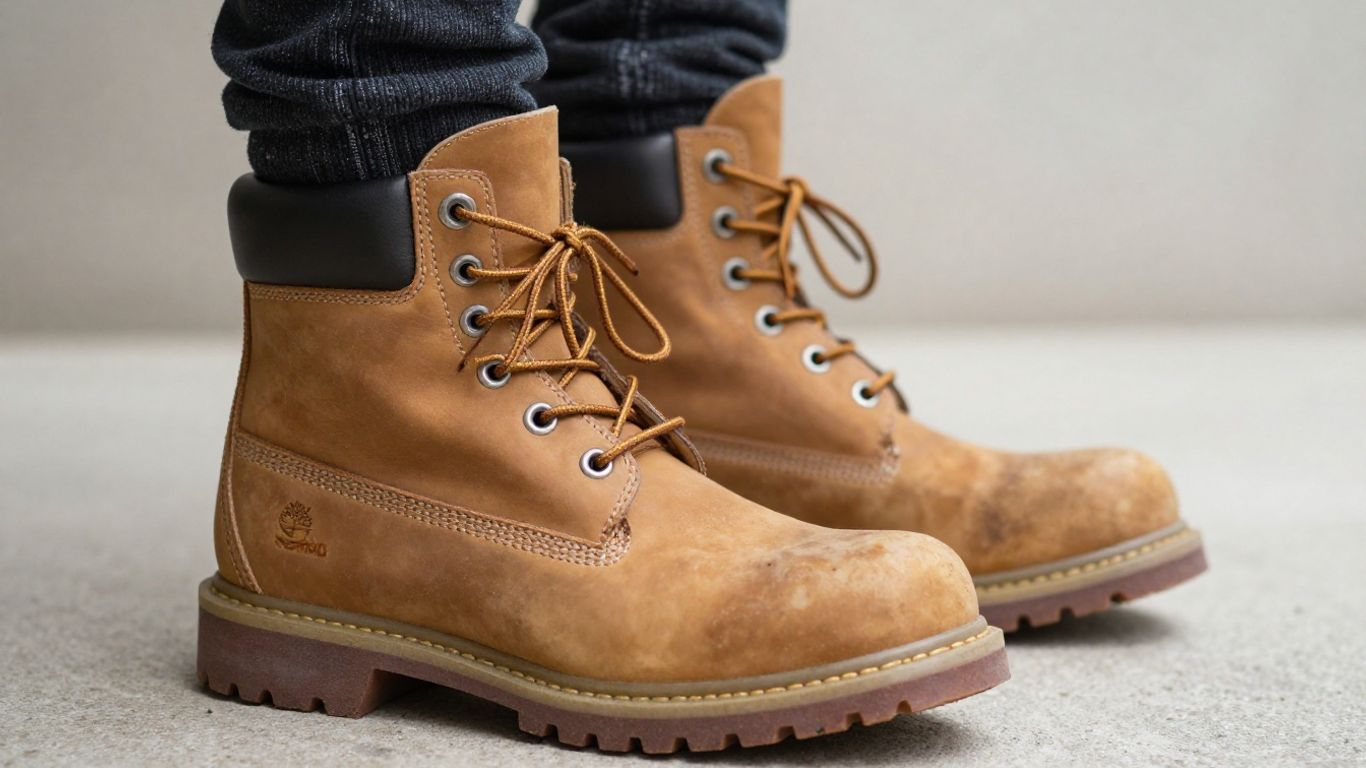
When you're out there in your Timberland PRO boots, the socks you choose can make a surprisingly big difference. It's not just about covering your feet; it's about making sure they stay comfortable and protected all day long. Think about it – these boots are built tough, and they deserve socks that can keep up.
Moisture-Wicking Properties For Dry Feet
Nobody likes having sweaty feet, especially when you're working hard. The best socks for your Timberland PROs will pull moisture away from your skin. This keeps your feet drier, which helps prevent blisters and that uncomfortable, clammy feeling. Materials like merino wool or certain synthetic blends are really good at this. They let the sweat evaporate instead of just sitting there.
Seamless Construction For Ultimate Comfort
Have you ever felt a weird lump or seam inside your sock rubbing against your foot? It's the worst, right? Socks with a seamless toe construction mean there's no bulky stitching to irritate you. This is especially important when you're moving around a lot in your boots. It just makes everything feel smoother and more comfortable, hour after hour. You can find socks that are designed with this in mind, making a noticeable difference in how your feet feel at the end of the day.
Durability And Reinforced Areas
Work boots, especially tough ones like Timberland PROs, can be hard on socks. Look for socks that are built to last. This often means they have reinforced heels and toes. These areas get the most wear and tear, so having extra material there helps your socks hold up longer. It's like getting a little extra padding where you need it most. This durability means you won't be replacing your socks as often, saving you money and hassle in the long run. Some socks even come with long warranties, which is a good sign of their quality. For example, some merino wool socks are known for their impressive durability and comfort.
Choosing The Right Sock Material For Your Work
When you're picking out socks for your Timberland PRO boots, the material really matters. It's not just about keeping your feet covered; it's about performance, comfort, and how long your feet stay dry throughout the workday. Think of your socks as the first line of defense against blisters, sweat, and general foot fatigue. So, let's break down what you should be looking for.
Merino Wool For Warmth And Comfort
Merino wool is a fantastic choice, especially if you're working in cooler conditions or just want that extra bit of softness. It's naturally good at managing moisture, pulling sweat away from your skin so your feet don't feel damp. Plus, it's known for being odor-resistant, which is a big plus after a long day on your feet. You'll find that socks with a good percentage of merino wool offer a great balance of warmth without making your feet overheat. It's not like the itchy wool of old; modern merino is quite fine and comfortable against the skin. For work socks that combat sweaty feet, prioritize a blend of 50-70% Merino Wool for superior moisture absorption and odor control. The remaining 30% should be Nylon/Spandex to provide essential structure, durability, and a comfortable fit.
Synthetic Fibers For Performance
Synthetic materials like polyester, nylon, and spandex are workhorses when it comes to performance. They're often engineered to wick moisture away from your skin really fast, which is key for keeping your feet dry and preventing blisters. These fibers are also super durable, meaning they can stand up to the rough and tumble of a work environment without wearing out quickly. Many high-performance work socks use a blend of synthetics to get the best of both worlds – moisture management, toughness, and a good stretch for a snug fit. They dry faster than natural fibers, which can be a lifesaver if your boots get wet.
Understanding Cotton's Limitations
Cotton is a common material, and you probably have a lot of cotton socks lying around. While they feel soft and comfortable for everyday wear, they're generally not the best pick for heavy-duty work boots. The main issue is that cotton absorbs moisture and holds onto it. This means if you sweat, your cotton socks will become damp and stay that way. Wet feet can lead to blisters, discomfort, and even fungal issues. They also lose their cushioning when wet and don't offer much insulation in cold weather. So, while they might seem like an easy choice, you're usually better off with materials designed for the demands of a work environment.
When you're choosing sock material, think about where and how you work. If you're constantly on the move and sweating, moisture-wicking is your top priority. If you're in cold weather, warmth is key, but you still need that moisture management. Avoid materials that just soak up sweat and stay wet.
Sock Lengths And Styles For Work Boots
When you're picking out socks for your Timberland PRO work boots, the length and style really matter. It's not just about what looks good; it's about protection, comfort, and keeping debris out. Think of your socks as the first line of defense between your feet and the tough environment you work in.
Crew Socks: The Ideal Work Boot Companion
For most work boots, especially those in the 6-8 inch range, crew socks are your best bet. They typically come up to about the mid-calf, which is perfect for extending just above the boot's collar. This height offers a good barrier against dirt, dust, and small rocks trying to sneak into your boots. Plus, they provide a bit of extra padding around your lower leg. Many people find that a good pair of merino wool crew socks offer that perfect blend of warmth and breathability, making them a solid choice for long days.
Short Crew Socks: When They Might Work
Short crew socks, sometimes called quarter-length, can be an option if your work boots are on the lower side, maybe hitting just below the ankle bone. However, you need to be a bit careful here. These shorter socks might not offer enough protection if you're working in dusty or debris-heavy areas. You could end up with stuff getting into your boots, or worse, inside your socks. They're generally better suited for less demanding environments or if you really dislike the feeling of a taller sock.
Avoiding No-Show And Ankle Socks
Let's be clear: no-show and ankle socks are pretty much a no-go for Timberland PRO work boots. These are designed for casual shoes like sneakers or loafers. Ankle socks, in particular, just don't provide enough coverage. They leave your lower shin exposed to scrapes, dirt, and whatever else might find its way into your boots. You need that extra fabric to create a proper barrier and prevent chafing against the top of your boot. Stick to the taller options for real protection.
Here's a quick rundown:
- Crew Socks: Ideal for most work boots, offering good coverage and protection.
- Short Crew Socks: May work for lower-cut boots, but be mindful of debris.
- Ankle/No-Show Socks: Generally not suitable for work boots due to lack of protection.
Choosing the right sock length is about creating a complete protective system with your work boots. It's about preventing irritation and keeping your feet as comfortable as possible throughout your shift.
Addressing Specific Work Boot Sock Needs
Socks For Steel Toe Boot Protection
When you're working with steel-toe boots, you're adding an extra layer of protection for your feet, which is great. But that steel toe cap can sometimes rub or create pressure points, especially during long days or when you're bending and moving a lot. You'll want socks with extra padding right in the toe box area. This extra cushioning acts like a buffer, making sure that steel doesn't dig into your foot. Look for socks that specifically mention reinforced toe areas or extra cushioning there. It makes a surprising difference in comfort and can help prevent blisters or soreness that might otherwise sneak up on you. Some merino wool boot socks are designed with this kind of targeted cushioning.
Warm Socks For Cold Weather Work
Working outside when it's freezing or even just chilly can be tough on your feet. Cold feet can make you miserable and less focused. For these situations, you need socks that are built for warmth. Merino wool is a top pick here because it keeps you warm even if it gets a little damp. Synthetic fibers are also good because they trap heat well and dry fast. You generally want a thicker sock for cold weather, but make sure it doesn't make your boots too tight, as that can actually cut off circulation and make your feet colder. A good pair of warm socks can really change your whole workday.
Keeping Feet Dry In Wet Conditions
Nobody likes soggy feet. Whether you're working in the rain, dealing with puddles, or just in a generally damp environment, your socks are your first line of defense. Cotton socks are a big no-no here because they soak up moisture like a sponge and stay wet forever. You need socks made from materials that wick moisture away from your skin. Think synthetic blends like polyester or nylon, or again, merino wool. These materials pull sweat and water away from your foot and let it evaporate. Wearing the right socks is key to avoiding that uncomfortable, clammy feeling.
Here's a quick rundown of what to look for:
- Moisture-Wicking Materials: Synthetics (polyester, nylon, spandex) and merino wool are your best friends.
- Avoid Cotton: It holds moisture and makes your feet cold and prone to blisters.
- Proper Fit: Bunching or slipping socks can create entry points for water and reduce comfort.
- Height: Make sure your socks are tall enough to prevent water from splashing over the top of your work boots.
Dealing with wet feet on the job isn't just uncomfortable; it can lead to skin issues and make your whole day a drag. Choosing socks that actively manage moisture is one of the simplest, yet most effective, ways to keep your feet happy and dry, no matter what the weather throws at you.
Finding The Perfect Fit For Your Work Socks
The Impact Of Sock Shape On Fit
So, you've picked out some great socks with the right material and features, but how do they actually feel inside your Timberland PRO boots? That's where the fit comes in, and honestly, it's a big deal. Think about it: you're stuck in these boots all day, so a sock that bunches up or slips is just going to be a constant annoyance. The shape of the sock is probably the most important factor in how it sits on your foot. A sock that's just a straight tube, for example, has no chance of staying put. It's going to slide down, bunch up around your ankle or in the toe, and generally make your life miserable. You want a sock that looks like a foot, with contours for your heel, arch, and ankle. This kind of shape helps the sock hug your foot properly, so it moves with you instead of against you. It's like wearing a second skin, but way more comfortable.
Ensuring A Snug Heel And Toe Fit
When you pull on your socks, pay attention to where the heel pocket lands. It should sit right on your heel, not halfway up your ankle or too far down your foot. If you have to stretch the sock a lot to get the heel in the right spot, it's probably too small. On the other hand, if there's a ton of extra fabric bunching up in the toe area, it's likely too big. Too much material in the toe can lead to blisters and discomfort, especially inside a sturdy work boot. You're looking for a snug, but not tight, fit. The sock should feel secure all around your foot, with no loose spots or excessive stretching. For example, socks designed with targeted cushioning in areas like the heel and toe can make a big difference in how they feel throughout the day, especially when you're on your feet for long hours. Finding socks specifically made for work boots, like some Merino wool boot socks, can really help with this.
Avoiding Bunching And Slipping
Bunching and slipping are the arch-nemeses of comfortable work socks. If your socks aren't shaped correctly or if they're the wrong size, you'll find yourself constantly trying to fix them. This is especially true if you're between sizes – sometimes you just have to try a few brands to see which one fits your foot best. A sock that stays put means your foot stays comfortable and protected inside your Timberland PRO boots. It also means your boots can do their job properly, providing the support and protection you need without any sock-related distractions. Remember, the right socks can feel as important as the boots themselves for overall foot comfort on the job. Many high-quality work socks, like these merino wool crew socks, are designed with features to prevent this very issue, keeping them in place no matter how tough the day gets.
Choosing the right work socks is super important for keeping your feet comfy all day. You want socks that feel good, support your feet, and last a long time, especially when you're working hard. Think about what kind of work you do and what your feet need. We have a great selection of socks designed for tough jobs and long hours. Visit our website today to find the perfect pair that will keep your feet happy and protected!
So, What's the Final Word on Socks for Your Tims?
Alright, so we've gone over a lot of sock talk. It might seem like a small thing, but picking the right socks for your Timberland PRO boots really does make a difference. You want something that fits well, keeps your feet dry, and doesn't bunch up halfway through your shift. Think about crew socks, maybe something with extra padding if you've got steel toes, and definitely look for materials that wick away sweat. Your feet will thank you at the end of a long day, trust me.
Frequently Asked Questions
Can I wear hiking socks with my work boots?
Absolutely! Hiking socks are built tough and often have reinforced heels, much like work socks. You can even wear a good pair of crew work socks for a hike. They're made pretty similarly.
What's the best kind of sock for work boots?
The best work socks are ones that are tough, fit you just right, and don't cost a fortune. Look for socks that are durable and comfortable for long days on your feet.
Are wool socks itchy?
Not if you choose socks made from merino wool! Merino wool is a special type of wool that's known for being super soft and not itchy at all, while still keeping your feet warm.
Should I wear thick socks with my work boots?
It really depends on where you work and how your boots fit. Generally, work socks are thicker than your everyday socks to provide extra padding and support. If you work in a cold place, thicker socks are definitely a good idea.
How can I keep my feet dry in work boots?
To keep your feet dry, you'll want socks made from materials that wick away moisture, like synthetic fibers or wool. Avoid cotton socks, as they soak up sweat. Waterproof boots and even a bit of talcum powder can also help.
What socks are best for steel toe boots?
For steel toe boots, you'll want socks that have extra padding and are reinforced around the toe area. This helps protect your toes from the hard steel and makes wearing the boots more comfortable all day long.