


Passar mais de 10 horas de pé pode ser difícil, e bolhas dolorosas são muitas vezes parte do problema. Quer esteja a trabalhar um turno longo, a caminhar em trilhos ou simplesmente de pé o dia todo, aprender a evitar bolhas nas botas é fundamental para se manter confortável. Este guia irá explicar as razões comuns pelas quais as bolhas se formam e dar-lhe dicas práticas para as prevenir, para que possa concentrar-se no que precisa de fazer, e não nos seus pés doloridos.
Principais Conclusões
- Compreenda que as bolhas formam-se devido ao atrito e ao stress repetido na sua pele, especialmente quando os seus pés ficam quentes e húmidos.
- Botas que se ajustem corretamente são a sua primeira linha de defesa; experimente-as dentro de casa e preste atenção a quaisquer pontos que causem fricção.
- Escolha meias feitas de materiais que absorvem a humidade e mantenha a sua pele saudável e hidratada para reduzir a irritação.
- Use barreiras protetoras como bálsamos, fitas ou palmilhas almofadadas nas áreas propensas a fricção.
- Aborde áreas problemáticas específicas como calcanhares, dedos e a planta do pé com métodos de prevenção direcionados.
Compreender os Mecanismos de Formação das Bolhas
O Papel do Atrito e das Forças de Cisalhamento
Quando está de pé durante longos períodos, especialmente com botas, a sua pele é sujeita a muito stress. O principal culpado pelas bolhas é o atrito, mas é mais corretamente descrito como força de cisalhamento. Imagine a sua meia e o interior da bota como duas superfícies a friccionar uma contra a outra, com a sua pele no meio. Este movimento constante de vai e vem, ou cisalhamento, puxa e estica as camadas da sua pele. Quando esta força de cisalhamento excede a capacidade da pele para a suportar, as ligações que mantêm as camadas da pele unidas começam a romper-se. Esta separação cria um espaço logo abaixo da superfície da pele. Este espaço enche-se então de fluido, que é o que reconhecemos como uma bolha. Não se trata apenas de fricção; trata-se da pele a ser puxada e separada a nível microscópico.
Fadiga Epidérmica e Dano às Camadas da Pele
Pense na sua pele como um tecido. Se puxar e esticar repetidamente um pedaço de tecido em direções opostas, ele acabará por enfraquecer e rasgar. O mesmo princípio aplica-se à sua pele. As forças de cisalhamento repetitivas causadas por caminhar ou estar de pé durante longas horas provocam o que os investigadores chamam de "fadiga epidérmica". Isto não é um dano à camada superior de pele morta, mas sim às camadas vivas por baixo. Estas camadas são mantidas unidas por pequenas ligações. Quando estas ligações são submetidas a stress repetidamente, elas fatigam e quebram-se. Esta degradação ocorre abaixo da superfície visível da pele, razão pela qual normalmente não vê sangramento, a menos que o dano seja muito profundo. O fluido que enche a bolha é essencialmente a resposta do corpo a esta ruptura interna.
Fatores que Contribuem para o Desenvolvimento de Bolhas
Vários fatores podem aumentar o risco de desenvolver bolhas, especialmente quando usa botas por mais de dez horas. Aqui estão alguns dos principais contribuintes:
- Humidade: Quando os seus pés suam, a pele torna-se mais macia e flexível, tornando-se mais suscetível a danos causados pelo atrito. A pele húmida tem menos resistência natural.
- Calor: Ambientes quentes, como o interior de uma bota, podem agravar os problemas de humidade e também tornar a pele mais propensa a danos.
- Ajuste do Calçado: Botas demasiado apertadas podem criar pontos de pressão constantes, enquanto botas demasiado largas permitem que o pé deslize, aumentando as forças de cisalhamento.
- Material das Meias e Botas: Certos materiais têm coeficientes de atrito mais elevados, o que significa que criam mais resistência entre as superfícies. Isto pode ser bom para a estabilidade, mas mau para a prevenção de bolhas se não for gerido.
- Nível e Duração da Atividade: Quanto mais tempo estiver de pé e mais intensa for a atividade, maior será a força de cisalhamento acumulada na sua pele.
A interação entre pressão, cisalhamento e humidade dentro do seu calçado cria um ambiente desafiante para a sua pele. Compreender estas forças é o primeiro passo para prevenir bolhas dolorosas.
Otimizar o Calçado para a Prevenção de Bolhas
Quando está de pé durante longos períodos, o seu calçado torna-se um fator principal na prevenção de bolhas. Não se trata apenas de conforto; é sobre como os seus sapatos interagem com os seus pés para minimizar o atrito e a pressão.
Conseguir o Ajuste Correto do Sapato
O aspeto mais crítico para prevenir bolhas é garantir que os seus sapatos têm o ajuste correto. Um sapato demasiado apertado pode criar pontos de pressão constantes, enquanto um demasiado largo permite que o pé deslize, causando forças de cisalhamento prejudiciais. Ao experimentar sapatos, tenha estes pontos em mente:
- Ajuste: O sapato deve sentir-se seguro ao redor do meio do pé e do calcanhar, sem deslizamentos notáveis ao andar. No entanto, os seus dedos devem ter espaço suficiente para se mexerem livremente.
- Tamanho: Uma boa regra é deixar cerca da largura de um dedo entre o seu dedo mais comprido e a frente do sapato quando o pé está empurrado para a frente.
- Ambos os Pés: Experimente sempre ambos os sapatos, pois a maioria das pessoas tem tamanhos de pé ligeiramente diferentes. Baseie o ajuste no pé maior.
- Teste Interior: Antes de se comprometer, ande com os sapatos dentro de casa. Experimente subir e descer escadas ou superfícies inclinadas para simular terrenos variados e identificar possíveis pontos de pressão ou áreas de atrito. Este é um passo fundamental para conseguir um ajuste adequado do sapato.
Avaliação dos Materiais e da Construção dos Sapatos
Para além do ajuste, os materiais e a construção dos seus sapatos desempenham um papel significativo. Sapatos de couro tendem a moldar-se aos seus pés com o tempo, oferecendo um ajuste mais personalizado, enquanto sapatos têxteis podem ser mais macios inicialmente, mas menos adaptáveis. Considere a respirabilidade do material, pois isso influencia a gestão da humidade, um fator chave para a saúde da pele e prevenção de bolhas.
Teste Interior para Pontos de Pressão
Antes de sair para um dia longo, é aconselhável testar o seu calçado num ambiente controlado. Use os sapatos em casa durante algumas horas. Preste atenção a quaisquer áreas que se sintam apertadas, que esfreguem ou criem pressão incomum. Resolver esses pequenos desconfortos dentro de casa pode evitar grandes problemas de bolhas mais tarde.
Calçado adequado é a sua primeira linha de defesa contra bolhas. Dedicar tempo a escolher e testar os seus sapatos cuidadosamente pode poupar-lhe muita dor e desconforto no futuro. Não subestime o impacto de um sapato bem ajustado na saúde geral dos seus pés e na sua capacidade de se manter de pé por longos períodos.
A Importância da Escolha das Meias e dos Cuidados com os Pés
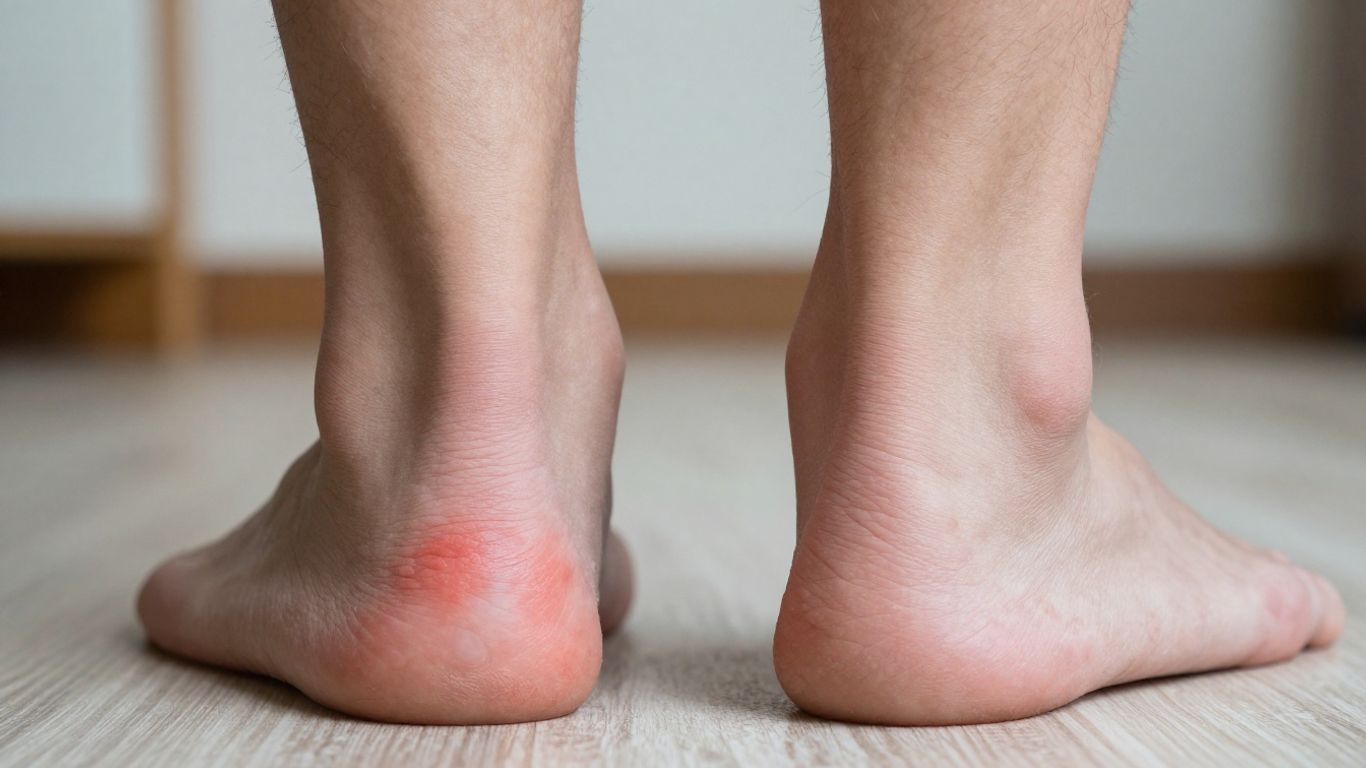
As suas meias e os cuidados que tem com os seus pés desempenham um papel surpreendentemente importante na prevenção dessas dolorosas bolhas causadas pelas botas, especialmente quando está muito tempo de pé. Não se trata apenas de conforto; trata-se de gerir o ambiente em que os seus pés vivem durante todo o dia.
Gestão da Humidade Através da Escolha das Meias
Pense nisto: os seus pés transpiram. Muito. Se essa humidade não tiver para onde ir, amolece a sua pele, tornando-a muito mais suscetível a danos causados pelo atrito. É aqui que as suas meias se tornam a sua primeira linha de defesa. O objetivo é afastar essa humidade da sua pele. Materiais como a lã merino ou certas misturas sintéticas são excelentes para isso. Eles retiram o suor da sua pele e transportam-no para as camadas exteriores da meia, onde pode evaporar. As meias de algodão, por outro lado, tendem a reter a humidade, transformando essencialmente os seus pés numa esponja húmida. Escolher meias concebidas para afastar a humidade é indispensável para uso prolongado.
Aqui está um resumo rápido do que deve procurar:
- Material: Opte por misturas de lã ou sintéticos técnicos. Evite algodão 100%.
- Ajuste: As meias devem ajustar-se bem sem formar dobras. Meias soltas criam rugas que podem causar pontos de atrito.
- Espessura: Meias mais grossas podem oferecer mais amortecimento, mas também podem apertar as botas. Encontre um equilíbrio que funcione para o seu calçado.
- Costuras: Procure meias com costuras planas ou sem costuras para minimizar pontos de irritação.
Manutenção da Hidratação Saudável da Pele
Embora queira controlar a humidade causada pelo suor, também não deve deixar a pele ficar demasiado seca e frágil. A pele seca pode rachar e descamar, criando problemas que podem causar bolhas ou agravar as existentes. Aplicar um creme ou loção de qualidade para os pés todas as noites ajuda a manter a pele macia e resistente. Isto é especialmente importante se notar que a sua pele está áspera ou seca. Pele saudável e hidratada é mais resistente ao desgaste de longas horas de uso de botas.
A aplicação regular de um creme hidratante antes de dormir pode melhorar significativamente a elasticidade da pele e a sua capacidade de resistir ao atrito. É um passo simples que traz grandes benefícios.
Tratamento de Condições Pré-existentes nos Pés
Se já tem problemas como joanetes, calosidades ou dedos em martelo, essas áreas podem tornar-se focos de bolhas. Estas condições podem alterar a forma como o seu pé interage com a bota, criando pontos de alta pressão ou atrito desigual. É aconselhável tratar estas situações de forma preventiva. Isto pode envolver o uso de palmilhas acolchoadas específicas para redistribuir a pressão, ou até consultar um podologista. Não deixe que uma pequena peculiaridade no pé se transforme num grande problema de bolhas.
- Calosidades: Embora ofereçam alguma proteção natural, calosidades espessas podem criar pontos de atrito próprios. Pode ser necessário lixar suavemente.
- Joanetes/Esporas Ósseas: Podem causar atrito direto. Pode ser necessário usar almofadas ou modificações especializadas no calçado.
- Infecções Fúngicas: O pé de atleta pode enfraquecer a pele. Manter os pés limpos e secos, e tratar as infeções rapidamente, é fundamental.
Utilização de Barreiras e Palmilhas Protetoras
Quando está de pé durante longos períodos, criar uma barreira física entre a sua pele e o calçado é uma estratégia inteligente. Estas barreiras e palmilhas funcionam reduzindo o atrito, absorvendo o choque e redistribuindo a pressão, todos essenciais para prevenir aquelas bolhas dolorosas.
Aplicação de Bálsamos e Fitas Anti-Fricção
Bálsamos e fitas são a sua primeira linha de defesa contra o atrito. Aplicados diretamente na pele ou no interior do sapato, criam uma superfície lisa que permite que os materiais deslizem uns sobre os outros em vez de agarrar e rasgar a sua pele. Pense nisso como encerar um escorrega escorregadio – quanto menos atrito, mais suave é o deslizar. Algumas pessoas descobrem que aplicar um bálsamo anti-atrito especializado nas áreas propensas a bolhas, como os calcanhares ou os dedos, antes de calçar as meias faz maravilhas. Outros preferem usar fita atlética ou pele de toupeira. A aplicação correta é fundamental; certifique-se de que a fita está lisa e sem rugas para evitar criar novos pontos de pressão.
Incorporar Palmilhas e Inserções Acolchoadas
Para além do simples acolchoamento, as palmilhas podem alterar significativamente a forma como a pressão é distribuída pelo seu pé. Palmilhas de alta qualidade podem absorver algumas das forças de cisalhamento que levam às bolhas, significando que menos desse stress prejudicial é transferido para a sua pele. Diferentes materiais oferecem níveis variados de absorção de cisalhamento; algumas pesquisas sugerem que certos materiais sintéticos podem ter um desempenho melhor do que outros. Se os seus sapatos atuais parecem um pouco planos ou gastos, substituir as palmilhas existentes por um par novo e de suporte pode fazer uma diferença notável. Esta é uma forma simples mas eficaz de dar um pouco mais de proteção aos seus pés ao longo do dia.
Colocação Estratégica de Almofadas Localizadas
Por vezes, as bolhas não se formam por toda a parte, mas em pontos muito específicos. Para estes problemas direcionados, almofadas localizadas, como pensos em forma de anel, podem ser incrivelmente úteis. Normalmente são feitas de pele de toupeira ou outro acolchoamento espesso e cortadas em forma de anel. Coloca-se a almofada em forma de anel à volta da área onde a bolha tende a formar-se ou já se formou. Isto alivia efetivamente a pressão desse ponto em particular, permitindo que cicatrize ou prevenindo a irritação desde o início. É como criar um pequeno halo protetor para a sua pele sensível. Pode encontrar almofadas para bolhas pré-fabricadas ou cortar as suas próprias a partir de folhas maiores de acolchoamento.
Quando se lida com pontos quentes persistentes ou áreas que parecem sempre desenvolver irritação, uma abordagem proativa com barreiras protetoras é muito mais eficaz do que esperar que uma bolha se forme. Experimentar diferentes tipos de fitas, bálsamos e palmilhas ajudará a descobrir o que funciona melhor para a forma única do seu pé e nível de atividade. Lembre-se, o objetivo é minimizar o atrito e a pressão antes que possam causar danos.
Abordar Áreas Específicas Propensas a Bolhas
Certas áreas dos seus pés parecem atrair bolhas mais do que outras. Compreender por que esses pontos são vulneráveis é o primeiro passo para os proteger.
Prevenção de Bolhas no Calcanhar
As bolhas no calcanhar acontecem frequentemente devido ao atrito da parte de trás do sapato contra o calcanhar. Isto pode dever-se a sapatos demasiado grandes ou meias que escorregam. A pele do calcanhar é também relativamente fina, tornando-a mais suscetível a danos.
- Assegure que os seus sapatos se ajustam bem no calcanhar. Não deve haver muito movimento vertical ao andar.
- Use meias que não escorreguem. Procure meias com um bom punho elástico ou considere protetores para o calcanhar.
- Considere forros para o calcanhar ou meias mais grossas. Estes podem adicionar uma camada protetora e reduzir o atrito.
Mitigando Bolhas nos Dedos
Os seus dedos são alvos principais para bolhas, especialmente os mais pequenos. Isto deve-se muitas vezes à pressão da frente do sapato ou ao atrito entre os dedos. Se os seus sapatos forem demasiado estreitos, os dedos podem ficar apertados, causando atrito.
- Verifique a caixa dos dedos dos seus sapatos. Certifique-se de que há espaço suficiente para os seus dedos mexerem-se livremente.
- Use protetores de dedos ou fita adesiva. Para áreas propensas a atrito entre os dedos, mangas especializadas ou fita desportiva podem criar uma barreira. Pode também descobrir que aplicar bálsamos anti-atrito ajuda aqui.
- Corte as unhas dos pés regularmente. Unhas compridas podem pressionar a frente do sapato, aumentando a pressão.
Protegendo a Bola do Pé
A bola do pé sofre muito impacto e pressão, especialmente durante atividades como caminhar ou correr. A pele aqui é mais espessa, mas o stress constante pode ainda assim causar bolhas. O atrito da palmilha do sapato ou do próprio sapato pode ser um dos principais culpados.
- Avalie as suas palmilhas. Palmilhas gastas ou comprimidas perdem o seu amortecimento e podem aumentar o atrito. Substituí-las por novas e de suporte pode fazer uma grande diferença.
- Considere patches que reduzem o atrito. Produtos concebidos para aderir à palmilha podem diminuir significativamente o atrito nesta zona de alta pressão.
- Alivie os pontos de pressão. Se notar um local específico que fica sempre quente ou dolorido, uma pequena almofada colocada estrategicamente pode ajudar a distribuir a pressão de forma mais uniforme. O acolchoamento pode prevenir o aparecimento de bolhas desde o início.
A pele dos seus pés está feita para suportar muito, mas a pressão prolongada e o movimento repetitivo, especialmente em áreas com menos almofadamento natural ou onde o calçado não assenta bem, podem sobrecarregar a sua resistência. Prestar atenção a estas zonas específicas é fundamental para prevenir desconforto e manter a sua capacidade de se manter de pé.
Estratégias Proativas para Uso Prolongado
Quando está muito tempo de pé, prevenir bolhas antes que comecem é fundamental. Não se trata apenas de reagir quando sente um ponto quente; trata-se de preparar-se para o sucesso desde o início. Isto envolve alguns passos inteligentes que podem fazer uma grande diferença no seu conforto e na sua capacidade de continuar.
Aclimatação Gradual ao Calçado Novo
Pense em amaciar sapatos novos como treinar para uma maratona – não correria 42 km no primeiro dia, certo? Os seus pés e o calçado precisam de tempo para se adaptarem um ao outro. Comece por usar os seus sapatos novos por curtos períodos, talvez uma ou duas horas em casa ou para uma pequena tarefa. Aumente gradualmente a duração ao longo de vários dias ou até uma ou duas semanas, dependendo do sapato e do seu nível de atividade. Este processo permite que os materiais amoleçam e moldem à forma única do seu pé, reduzindo a probabilidade de surgirem pontos de fricção. Preste atenção a quaisquer áreas que se sintam apertadas ou que provoquem atrito e trate-as cedo. Esta abordagem cuidadosa para amaciar botas de trabalho pode poupar-lhe muita dor mais tarde.
Kits de Prevenção para Levar Consigo
Mesmo com a melhor preparação, por vezes um ponto quente pode surgir inesperadamente. Ter um pequeno kit pronto pode ser uma salvação. Não precisa de ser elaborado. Alguns itens essenciais podem fazer uma grande diferença:
- Moleskin ou Pensos para Bolhas: Para aplicação imediata em qualquer ponto quente que esteja a desenvolver-se.
- Pequeno Rolo de Fita Desportiva: Pode ser usado para reforçar áreas propensas a fricção.
- Bastão ou Bálsamo Anti-Fricção: Uma aplicação rápida pode reduzir o atrito se começar a sentir irritação.
- Par Extra de Meias: Especialmente se tem tendência a pés suados ou se o tempo é imprevisível. Trocar para meias secas pode evitar muitos problemas. Levar um par extra de meias é um passo simples que pode melhorar significativamente o seu conforto durante caminhadas prolongadas.
Procura de Avaliação Biomecânica Profissional
Por vezes, bolhas persistentes não se devem apenas aos sapatos ou meias; podem estar relacionadas com a forma como os seus pés se movem. Se costuma ter bolhas nos mesmos locais, apesar de tentar vários métodos de prevenção, pode valer a pena consultar um profissional. Um podologista ou fisioterapeuta especializado em biomecânica pode analisar a sua marcha e estrutura do pé. Eles podem identificar problemas subjacentes, como pronação, supinação ou distribuição desigual do peso, que podem estar a contribuir para o atrito ou pressão excessiva. Com base na avaliação, podem recomendar ortóteses específicas, exercícios ou modificações no calçado para tratar a causa raiz.
Compreender a mecânica única do seu pé é um passo proativo que vai além das soluções superficiais. Trata-se de abordar as razões fundamentais pelas quais certas áreas são mais suscetíveis a danos, levando a uma prevenção de bolhas mais eficaz e duradoura.
Aqui está uma visão de algumas estratégias comuns e a sua eficácia:
| Estratégia | Benefício Principal | Considerações |
|---|---|---|
| Amaciamento Gradual | Molda o calçado ao pé, reduz o atrito inicial | Demorado, requer esforço consistente |
| Meias que absorvem a humidade | Mantém a pele seca, reduz o atrito | Deve ser trocado regularmente se ficar saturado |
| Bálsamos/Bastões Anti-Atrito | Cria uma barreira escorregadia | Pode ser necessário reaplicar durante uso prolongado |
| Enfaixamento | Reforça a pele, reduz o cisalhamento | Pode ser demorado de aplicar, pode descascar |
| Palmilhas Almofadadas | Absorve o cisalhamento, reduz a pressão | Pode alterar o ajuste do sapato, pode não resolver todo o atrito |
Quer que as suas meias durem mais tempo? Tomar alguns passos simples pode fazer uma grande diferença. Mantê-las limpas e secas é essencial. Além disso, garantir que servem bem ajuda a prevenir o desgaste. Estas pequenas ações resultam em meias que permanecem confortáveis e resistentes por muito mais tempo. Pronto para dar o melhor cuidado às suas meias? Visite o nosso site para mais dicas e para encontrar o par perfeito que foi feito para durar!
Conclusão: Mantendo os seus pés felizes
Então, passou muito tempo em pé e as bolhas têm sido um verdadeiro incómodo. Já falámos sobre várias formas de evitar que essas bolhas apareçam desde o início. Coisas como garantir que os seus sapatos servem bem, usar meias adequadas e até usar bálsamos ou almofadas especiais podem fazer uma grande diferença. Se aparecer uma bolha, tratá-la imediatamente é fundamental para ajudar na cicatrização e evitar que piore. Ao prestar atenção aos seus pés e usar os métodos certos, pode mantê-los confortáveis, mesmo depois de dias longos. É tudo uma questão de estar preparado e cuidar de si.
Perguntas Frequentes
Por que é que os meus pés ficam com bolhas mesmo quando uso sapatos novos?
Sapatos novos podem ser complicados! Mesmo que pareçam ótimos, podem ainda não servir perfeitamente. Quando os sapatos estão demasiado apertados ou demasiado largos, podem esfregar contra a sua pele. Este atrito, especialmente quando anda muito, pode irritar a sua pele e causar acumulação de líquido, formando uma bolha. É uma boa ideia usar os sapatos novos em casa durante algum tempo para que se estiquem e se adaptem aos seus pés.
Qual é a melhor forma de evitar que se formem bolhas nos meus calcanhares?
As bolhas no calcanhar acontecem frequentemente quando os seus sapatos esfregam a parte de trás do seu tornozelo. Para evitar isso, certifique-se de que os seus sapatos servem bem e não escorregam. Usar meias que se ajustem corretamente e que cheguem acima do calcanhar também pode ajudar. Produtos como bálsamos anti-fricção ou almofadas especiais para o calcanhar podem criar uma barreira suave entre a sua pele e o sapato, impedindo o atrito antes que comece.
Como é que as meias ajudam a prevenir bolhas?
As meias são super importantes! Funcionam como uma barreira entre o seu pé e o seu calçado. As melhores meias para prevenir bolhas são geralmente feitas de materiais que afastam a humidade, como certas misturas sintéticas ou lã. Isto mantém os seus pés mais secos, pois a pele molhada é mais propensa a danos causados pela fricção. Evite meias de algodão se for transpirar muito, pois tendem a reter a humidade.
Posso usar fita para prevenir bolhas?
Sim, pode! Aplicar fita desportiva especial ou pele de toupeira nas áreas onde tende a ter bolhas antes de começar a sua atividade pode ajudar. Esta fita cria uma camada protetora que reduz a fricção. Apenas certifique-se de que a fita é aplicada suavemente, sem rugas, para evitar criar novos pontos de pressão.
O que devo fazer se sentir um ponto quente no meu pé?
Um 'ponto quente' é o sinal de aviso da sua pele de que uma bolha está prestes a formar-se! Não o ignore. Pare o que está a fazer e verifique o seu pé. Muitas vezes pode evitar uma bolha completa aplicando um penso para bolhas, pele de toupeira ou uma almofada especial mesmo sobre o ponto quente. Isto ajuda a reduzir a fricção nessa área.
Existem produtos específicos que ajudam a prevenir bolhas?
Absolutamente! Existem muitos produtos concebidos para ajudar. Bálsamos ou sticks anti-fricção criam uma barreira escorregadia na sua pele. Palmilhas almofadadas ou inserções podem melhorar o ajuste do seu calçado e adicionar acolchoamento. Pensos ou adesivos para bolhas podem ser aplicados nas áreas problemáticas conhecidas. Mesmo pequenas almofadas pontuais podem ser colocadas dentro dos seus sapatos onde sentir atrito.