


Ficar em pé o dia todo pode realmente afetar as suas pernas, fazendo-as doer e sentir pesadas. Se está a começar a notar aquelas veias salientes e pouco estéticas, provavelmente procura algum alívio. Felizmente, existem meias desenhadas especificamente para ajudar. Estas não são meias comuns; foram feitas para dar às suas pernas o suporte que precisam, especialmente quando está em pé durante horas. Vamos conhecer algumas das melhores meias para varizes causadas por estar em pé.
Principais Conclusões

- As varizes acontecem quando as válvulas nas suas veias não funcionam corretamente, causando o acumular de sangue e o inchaço e torção das veias.
- Ficar em pé por longos períodos, a genética, a idade e o peso podem todos contribuir para o desenvolvimento de varizes.
- As meias de compressão ajudam ao apertar suavemente as suas pernas, incentivando o sangue a fluir de volta para o coração e reduzindo o acumular.
- As meias de compressão graduada são as melhores, ou seja, são mais apertadas no tornozelo e vão ficando mais soltas à medida que sobem pela perna.
- Procure meias com um nível de compressão de 15-20 mmHg para alívio diário ao estar em pé, mas consulte o seu médico para necessidades mais elevadas.
1. Meias de Compressão Graduada Elevation
Quando passa o dia em pé, as suas pernas podem realmente ressentir-se. As Meias de Compressão Graduada Elevation foram desenhadas para ajudar nisso. Funcionam aplicando uma pressão suave que é mais forte no tornozelo e diminui gradualmente à medida que sobe pela perna. Esta pressão graduada ajuda o seu sangue a fluir melhor, movendo-o de volta para o coração. Pense nisso como uma massagem suave que mantém tudo em movimento.
Estas meias são uma boa opção se procura prevenir ou gerir problemas como inchaço, fadiga nas pernas ou os primeiros sinais de varizes. Podem fazer uma diferença notável na sensação das suas pernas após um longo dia. A ideia é impedir que o sangue se acumule nas suas pernas inferiores, o que é um problema comum quando está em pé por períodos prolongados. Ao promover uma melhor circulação, estas meias visam reduzir o desconforto e o risco de desenvolver problemas venosos mais graves.
Aqui está uma visão rápida do que fazem:
- Melhora a circulação sanguínea nas pernas.
- Reduz o inchaço e o desconforto.
- Ajuda a prevenir o acumular de sangue.
- Suporte para pernas cansadas após longas horas em pé.
Ao escolher um par, vai encontrar diferentes níveis de compressão, geralmente medidos em mmHg. Para suporte geral e prevenção, um nível mais baixo como 15-20 mmHg pode ser suficiente. No entanto, se tiver preocupações mais significativas, é sempre melhor consultar um profissional de saúde para determinar o nível adequado para si. Pode encontrar meias desenhadas para períodos prolongados de pé e sentado que oferecem suporte forte aqui.
O design destas meias pretende imitar a ação natural dos seus músculos da panturrilha. Quando caminha, os seus músculos contraem-se e ajudam a empurrar o sangue para cima. Estas meias proporcionam um suporte constante semelhante que ajuda a manter esse processo, mesmo quando está parado.
2. Meias de Compressão Graduada Circulator
Quando está de pé o dia todo, as suas pernas podem realmente começar a sentir-se cansadas. É aqui que entram as Meias de Compressão Graduada Circulator. Estas meias são especificamente desenhadas para ajudar a manter o seu sangue a circular corretamente, o que é muito importante quando está em pé durante longos períodos. Aplicam um pouco mais de pressão no tornozelo e depois gradualmente menos pressão à medida que a meia sobe pela perna. Esta pressão graduada é fundamental para evitar o acumular de sangue nas suas pernas inferiores.

Pense nelas como uma compressão suave que incentiva o sangue a fluir de volta para o seu coração. Isto pode fazer uma diferença notável na redução daquela sensação de cansaço e dor. São frequentemente feitas de materiais como nylon e elastano, que lhes conferem uma sensação elástica e de suporte. Algumas versões até incorporam lã Merino para maior conforto e respirabilidade, o que é ótimo se as usar por longos períodos.
Aqui está uma visão rápida do que elas pretendem fazer:
- Melhoram a circulação sanguínea nas suas pernas.
- Ajudam a reduzir o inchaço e o desconforto.
- Proporcionam suporte aos músculos das pernas.
- Ajudam a prevenir o acumular de sangue.
Se procura uma forma de gerir a fadiga nas pernas causada por estar em pé, estas meias valem definitivamente a pena considerar. São uma escolha popular para muitas pessoas que precisam desse apoio extra ao longo do dia de trabalho. Pode encontrar opções como as Meias de Compressão Graduada Sockwell Circulator que foram feitas com este propósito em mente.
Estas meias funcionam aplicando pressão de uma forma específica para ajudar as suas veias a funcionarem melhor. É um conceito simples, mas que pode realmente ajudar as suas pernas a sentirem-se melhor no final de um longo dia.
3. Meias de Compressão Graduada Micro Grau
Quando está de pé o dia todo, o desconforto causado pelas varizes pode realmente acumular-se. As Meias de Compressão Graduada Micro Grau oferecem uma abordagem refinada para gerir isso. O termo "micro grau" refere-se aos ajustes muito finos na pressão que estas meias proporcionam. Ao contrário das meias com níveis de compressão mais amplos, estas são desenhadas com um gradiente mais preciso, o que significa que a pressão varia em incrementos menores à medida que sobe pela perna. Este design meticuloso visa melhorar o fluxo sanguíneo de forma mais eficaz e pode proporcionar maior conforto para uso prolongado.
Estas meias funcionam aplicando a maior pressão no tornozelo, com a pressão a diminuir gradualmente à medida que a meia sobe pela perna. Esta ação de compressão suave ajuda a empurrar o sangue para cima, evitando que se acumule nas pernas inferiores. Para pessoas que experienciam inchaço, dores ou aquela sensação de peso associada a estar em pé durante longos períodos, esta compressão direcionada pode ser bastante benéfica.
Isto é o que as torna uma boa opção:
- Níveis Precisos de Pressão: O aspeto "micro-nível" significa que obtém um controlo mais fino sobre a compressão, potencialmente levando a um melhor ajuste e alívio mais direcionado.
- Melhoria da Circulação: Ao ajudar o fluxo sanguíneo, podem ajudar a reduzir os sintomas da insuficiência venosa.
- Conforto para Uso Prolongado: O gradiente de pressão detalhado é frequentemente concebido para máximo conforto, mesmo quando usado durante muitas horas.
A especificidade da compressão micro-nível pode fazer uma diferença notável na gestão da fadiga e desconforto nas pernas. Embora possam parecer apenas mais um par de meias, o seu design engenhoso oferece uma solução mais sofisticada para a saúde das suas pernas quando está em pé por longos períodos. Pode encontrar opções que oferecem quatro zonas de compressão graduada para suporte reforçado.
4. Meias de Compressão Sockwell
Quando está de pé o dia todo, encontrar meias que ofereçam conforto e suporte é fundamental. As meias de compressão Sockwell são uma escolha sólida para gerir a fadiga nas pernas e promover uma melhor circulação. Estas meias são frequentemente feitas com uma mistura de lã merino e outras fibras, o que as torna bastante agradáveis ao toque na pele.
A Sockwell oferece algumas linhas diferentes, mas as Meias de Compressão Firme Lifestyle são uma escolha popular. Normalmente proporcionam compressão firme, frequentemente na faixa de 20 a 30 mmHg, o que é ótimo quando precisa de um pouco mais de suporte. Encontrará uma variedade de padrões e cores para escolher algo que combine com o seu estilo.
Aqui está uma visão rápida do que pode encontrar:
- Composição do Material: Normalmente uma mistura de lã merino, rayon de bambu, nylon e spandex. Esta combinação visa a respirabilidade, suavidade e durabilidade.
- Nível de Compressão: Muitas opções da Sockwell estão na categoria de compressão firme (20-30 mmHg), mas também oferecem compressão moderada (15-20 mmHg) em alguns modelos.
- Ajuste: São concebidas para se ajustarem bem sem acumular tecido, especialmente à volta do joelho. A zona do pé geralmente tem um pouco de reforço extra, embora não o suficiente para parecer volumosa.
- Cuidados: Como muitas misturas de lã merino, recomenda-se a secagem ao ar para as manter em bom estado por mais tempo, embora a lavagem e secagem na máquina possam ser possíveis com cuidado.
Embora possam ser um pouco mais difíceis de calçar do que algumas outras meias, esse ajuste apertado é exatamente o que deseja para uma compressão eficaz. Isso significa que estão a trabalhar para manter o seu sangue a fluir corretamente.
Se procura meias que sejam confortáveis e benéficas para as suas pernas, a Sockwell é definitivamente uma marca a considerar. Pode encontrar opções ótimas para uso diário, ajudando-o a aguentar aqueles longos dias em pé. Para um bom equilíbrio entre conforto e suporte, pode querer experimentar as suas meias de mistura de lã merino.
5. Meias de Compressão para Veias Varicosas
Quando está a lidar com veias varicosas, encontrar o suporte certo pode fazer uma grande diferença em como as suas pernas se sentem no final de um longo dia. As meias de compressão para veias varicosas são especificamente desenhadas para ajudar com estas veias visíveis e salientes. Funcionam aplicando uma pressão suave e graduada, o que significa que são mais apertadas no tornozelo e vão ficando progressivamente mais largas à medida que sobem pela perna. Esta pressão direcionada ajuda a empurrar o sangue de volta para o coração, o que pode reduzir aquele incómodo acúmulo de sangue que causa as veias varicosas.
Estas meias são realmente úteis por várias razões:
- Reduzir o Desconforto: Podem aliviar aquela sensação de dor, peso ou queimação que pode sentir nas pernas por estar em pé o dia todo.
- Melhorar a Circulação: Ao incentivar o fluxo sanguíneo para cima, ajudam a evitar que o sangue se acumule nas veias das pernas.
- Prevenir a Progressão: Para alguns, podem ajudar a retardar o agravamento dos problemas venosos.
A pressão graduada é fundamental para a sua eficácia. Ela imita a forma como os seus músculos ajudam a bombear o sangue quando caminha, dando às suas pernas um suporte extra quando mais precisa. Pode encontrá-las em diferentes níveis de pressão, frequentemente medidos em mmHg (milímetros de mercúrio). Para suporte geral e veias varicosas leves a moderadas, um nível como 15-20 mmHg é frequentemente recomendado. É um bom ponto de partida para uso diário, oferecendo suporte sem se sentir demasiado restritivo. Se tiver preocupações mais significativas, é sempre melhor consultar um profissional de saúde sobre o nível de pressão adequado para si. Estas meias são uma forma prática de gerir o desconforto nas pernas e apoiar a saúde das veias, especialmente se estiver de pé durante longos períodos. São uma ótima opção para alívio diário de pernas cansadas e pesadas [2036].
Escolher o ajuste certo também é importante. Certifique-se de medir a circunferência do tornozelo e do gémeo de acordo com as instruções do fabricante. Um ajuste adequado garante que a compressão é aplicada corretamente e confortavelmente, maximizando os benefícios para a circulação das suas pernas.
6. Meias de Compressão Até ao Joelho
Quando está de pé o dia todo, especialmente se estiver longos períodos em pé, as suas pernas podem realmente começar a sentir o esforço. É aqui que entram as meias de compressão até ao joelho. São desenhadas para dar um pouco de suporte às suas pernas, ajudando a manter o fluxo sanguíneo adequado. Estas meias aplicam uma pressão suave, que é mais forte no tornozelo e diminui gradualmente à medida que sobe pela perna. Esta pressão graduada é fundamental para evitar o acumular de sangue nas pernas inferiores, um problema comum para quem permanece em pé durante longos períodos.

Há algumas coisas a considerar ao escolher um par:
- Nível de Compressão: A maioria das meias de venda livre situa-se na faixa de 15-20 mmHg, que é geralmente boa para uso diário e prevenção do inchaço. Se precisar de mais suporte, pode procurar 20-30 mmHg, mas é sempre aconselhável consultar um médico para níveis mais elevados.
- Material: Vai encontrar meias feitas de misturas de algodão, nylon, lã merino e mais. As misturas de algodão podem ser confortáveis para uso diário, enquanto os materiais sintéticos geralmente oferecem melhores propriedades de absorção de humidade.
- Ajuste: Um ajuste adequado é muito importante. A meia deve ficar justa, mas não dolorosamente apertada, e não deve acumular atrás do joelho ou ao redor do tornozelo. Muitas marcas oferecem diferentes tamanhos de gémeos, o que pode fazer uma grande diferença no conforto e na eficácia.
Encontrar o par certo pode fazer uma diferença notável em como as suas pernas se sentem no final de um longo dia. São uma escolha prática para quem procura gerir a fadiga e o inchaço nas pernas associados a longos períodos em pé. Algumas marcas, como Vim & Vigr, oferecem uma grande variedade de opções para ajudar a encontrar o ajuste e estilo perfeitos.
É importante lembrar que, embora as meias de compressão possam ajudar a controlar os sintomas e prevenir o agravamento, não são uma cura para as varizes. Se tiver preocupações sobre a saúde das suas pernas, consultar um profissional de saúde é sempre a melhor opção.
Muitas pessoas descobrem que o simples ato de usar estas meias ajuda a reduzir aquela sensação pesada e dolorida. São uma forma simples de adicionar uma camada de suporte à sua rotina diária, especialmente se o seu trabalho exige que esteja muitas horas em pé. Pode encontrar meias de compressão graduada até ao joelho em vários estilos e níveis de compressão para se adequar às suas necessidades.
7. Meias de Compressão até à Coxa
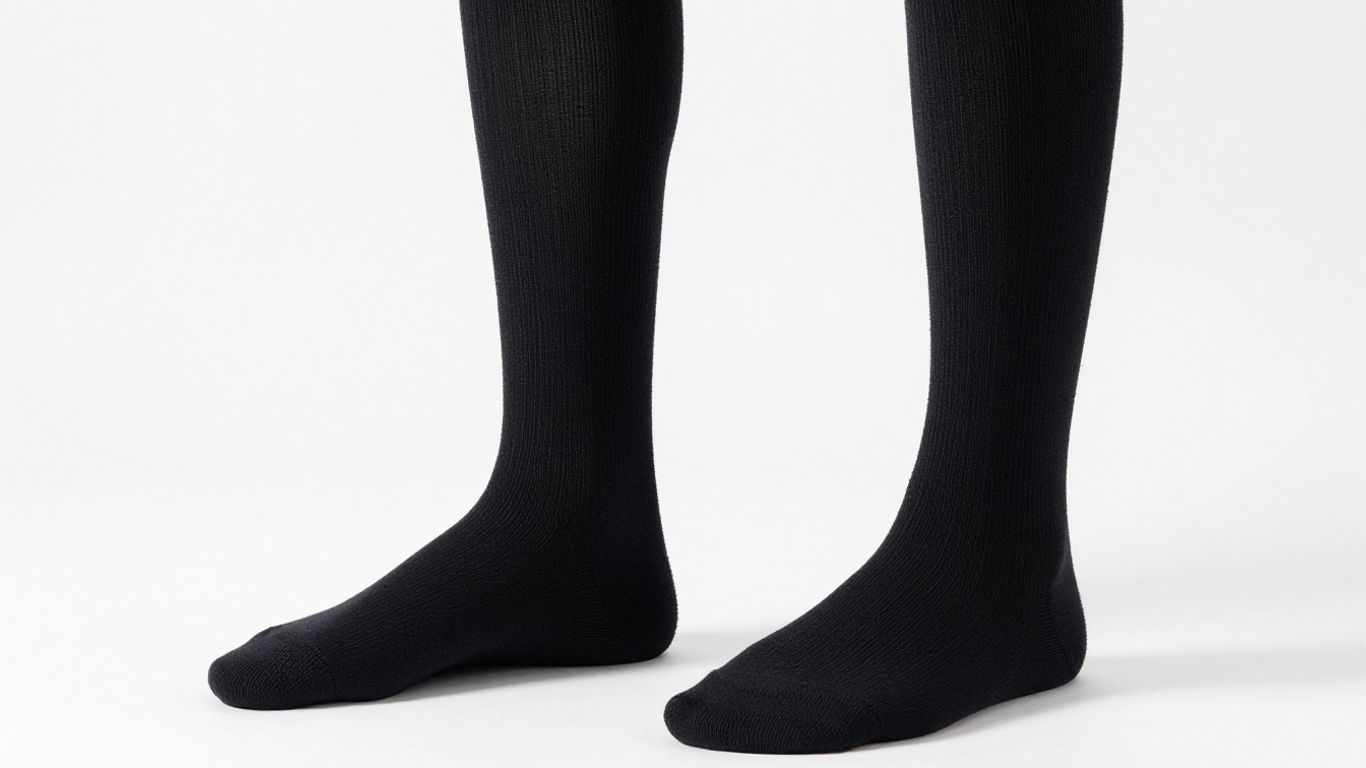
Quando procura meias que ofereçam suporte prolongado, as meias de compressão até à coxa são uma escolha sólida, especialmente se passa muito tempo em pé. Estas meias estendem-se por toda a perna, proporcionando compressão desde os dedos até logo abaixo dos glúteos. Esta cobertura prolongada pode ser particularmente benéfica para gerir o inchaço e melhorar a circulação em toda a perna.
A principal vantagem das meias até à coxa é a sua cobertura abrangente, que pode oferecer uma distribuição de pressão mais consistente comparada às meias até ao joelho. Isto torna-as uma boa opção para pessoas que experienciam inchaço ou desconforto que se estende mais acima na perna. São frequentemente recomendadas para pessoas com problemas venosos mais significativos ou que tenham passado por certas cirurgias. Por exemplo, durante a gravidez, muitas mulheres acham as meias de compressão até à coxa úteis devido ao aumento da pressão nas veias das pernas.
Aqui está o que as torna especiais:
- Suporte Prolongado: Cobrem uma área maior da perna, podendo ajudar o fluxo sanguíneo de forma mais eficaz.
- Uso Versátil: Adequadas para uso diário, viagens ou recuperação pós-operatória.
- Variedade de Estilos: Disponíveis em diferentes materiais e níveis de compressão para satisfazer necessidades específicas.
Embora ofereçam grandes benefícios, é importante garantir um ajuste adequado. Meias até à coxa mal ajustadas podem acumular-se ou deslizar para baixo, anulando os seus benefícios e causando desconforto. Muitas vezes, é aconselhável ser medido por um profissional para encontrar o tamanho certo, especialmente se tiver uma condição médica. Estas meias são concebidas para apoiar o fluxo sanguíneo saudável e podem ser uma parte fundamental na gestão da fadiga e desconforto nas pernas ao estar em pé durante longos períodos.
8. Meias de Compressão com Dedos Abertos
Quando está de pé o dia todo, encontrar alívio pode ser um desafio. As meias de compressão com dedos abertos oferecem uma solução única, permitindo que os seus dedos fiquem livres enquanto ainda proporcionam suporte às suas pernas inferiores. Este design pode ser particularmente benéfico se sentir inchaço ou desconforto nos pés, pois evita qualquer constrição ao redor dos próprios dedos.
Estas meias funcionam aplicando pressão graduada, normalmente mais apertada no tornozelo e diminuindo gradualmente à medida que sobem pela perna. Esta ação ajuda a incentivar o fluxo sanguíneo de volta para o coração, o que é fundamental para evitar o acumular de sangue que pode levar a varizes. A característica de dedos abertos significa que não precisa de se preocupar com os seus dedos a sentirem-se apertados ou sobreaquecidos, tornando-as uma escolha confortável para uso prolongado, especialmente em condições mais quentes.
Considerações ao escolher meias de compressão com dedos abertos:
- Nível de Compressão: Procure a classificação em mmHg (milímetros de mercúrio). Para prevenção geral e inchaço leve, recomenda-se frequentemente 15-20 mmHg. Para problemas mais significativos, poderá precisar de um nível mais elevado, como 20-30 mmHg [db81].
- Material: Embora muitas sejam feitas de misturas de nylon e spandex para elasticidade e durabilidade, algumas incorporam materiais como algodão ou lã merino para maior conforto e respirabilidade.
- Ajuste: Certifique-se de que a meia assenta bem, mas sem ficar demasiado apertada. O dedo aberto deve permitir que os seus dedos se espalhem naturalmente.
- Comprimento: As meias com dedos abertos vêm em vários comprimentos, semelhantes às versões com dedos fechados, incluindo opções até ao joelho e até à coxa.
O design com dedos abertos pode ser uma escolha prática para gerir a fadiga e o inchaço das pernas quando está de pé durante longos períodos. São uma boa opção se achar as meias com dedos fechados desconfortáveis ou se os seus pés tendem a aquecer. Também podem ser mais fáceis de calçar para algumas pessoas em comparação com as suas equivalentes com dedos fechados.
Embora as meias com dedos abertos ofereçam excelente suporte para as pernas e possam ajudar na circulação, não proporcionam o mesmo nível de proteção ou calor para os pés que as versões com dedos fechados. Se a sua principal preocupação for o conforto dos pés ou a proteção contra os elementos, poderá precisar de considerar este aspeto.
9. Meias de Compressão em Lã Merino
Quando está de pé o dia todo, o conforto e o desempenho das suas meias podem fazer uma grande diferença. As meias de compressão em lã merino oferecem uma combinação única de benefícios naturais que podem ser particularmente úteis. Estas meias combinam as propriedades reguladoras de temperatura e de absorção de humidade da lã merino com o suporte circulatório da compressão. Isto significa que podem ajudar a manter os seus pés confortáveis, quer esteja calor ou frio, e a gerir a humidade para evitar irritações.
A própria lã merino é uma fibra natural fantástica. É conhecida por ser macia, respirável e naturalmente resistente a odores. Quando tecida em meias de compressão, adiciona uma camada de conforto que os materiais sintéticos podem não igualar. Vai encontrar que muitas meias de compressão de lã merino usam uma mistura de fibras, frequentemente incluindo nylon e spandex, para alcançar o estiramento e os níveis de compressão necessários. Esta mistura ajuda a garantir durabilidade e a pressão graduada necessária para apoiar o fluxo sanguíneo.
Aqui está o que pode procurar em meias de compressão de lã merino:
- Regulação da Temperatura: As fibras de lã merino têm a capacidade natural de se adaptarem à temperatura do seu corpo, mantendo-o mais fresco quando está calor e mais quente quando está frio.
- Gestão da Humidade: A lã afasta a humidade da sua pele, ajudando a manter os pés secos e a reduzir o risco de bolhas ou desconforto.
- Resistência a Odores: A lã merino natural tem propriedades que ajudam a resistir ao acumular de odores, o que é uma grande vantagem quando as usa por longos períodos.
- Conforto Ajustado: Procure meias que ofereçam uma compressão graduada e justa sem se sentirem demasiado apertadas ou restritivas. Um bom ajuste significa que o cano da meia se mantém no lugar sem formar dobras.
Embora as meias de lã merino possam ser um pouco mais delicadas em termos de cuidados comparadas com opções puramente sintéticas, muitas marcas encontraram formas de as tornar bastante duráveis. Seguir as instruções de cuidado, como a secagem ao ar, pode ajudar a prolongar a sua vida útil. Pode descobrir que exigem um pouco mais de esforço para calçar do que outros tipos, mas o conforto e os benefícios que proporcionam geralmente compensam. Podem ser uma excelente escolha para gerir a fadiga nas pernas e apoiar a circulação ao longo do seu dia [1914].
As propriedades naturais da lã merino, combinadas com a compressão graduada, criam uma meia que é ao mesmo tempo funcional e confortável para uso prolongado. Elas resolvem problemas comuns como desconforto térmico e acumulação de humidade, ao mesmo tempo que proporcionam os benefícios circulatórios necessários para combater os efeitos de estar de pé o dia todo.
10. Meias de Compressão 15-20 mmHg
Quando está de pé o dia todo, especialmente se estiver a lidar com um ligeiro inchaço ou apenas aquela sensação geral de cansaço e dores nas pernas, um nível de compressão de 15-20 mmHg pode fazer toda a diferença. Esta gama é frequentemente considerada como compressão 'média' e é geralmente recomendada para uso diário. Não é tão intensa a ponto de se sentir restritiva, mas é suficiente para proporcionar um suporte notável.
Estas meias foram desenhadas para incentivar suavemente o fluxo sanguíneo de volta para o seu coração, o que pode ajudar a prevenir o acúmulo de sangue nas suas pernas inferiores. Isto é particularmente útil se começar a notar algumas varizes superficiais ou se simplesmente quiser dar um apoio extra às suas pernas ao longo do dia. Pense nelas como um abraço de suporte para as suas pernas que ajuda a manter tudo em movimento.
Aqui está uma visão rápida do que este nível de compressão é bom para:
- Aliviar o inchaço leve a moderado nas pernas.
- Reduzir a sensação de pernas cansadas e doloridas.
- Gerir varizes em estágio inicial.
- Fornecer suporte durante longos períodos de pé ou sentado.
Quando estiver a comprar, encontrará meias nesta faixa de 15-20 mmHg feitas de vários materiais, como misturas de algodão, nylon e lã merino. As misturas de algodão podem ser confortáveis para o uso diário, enquanto a lã merino oferece regulação da temperatura e propriedades de absorção de humidade. Pode encontrar estas meias em diferentes comprimentos, desde até ao joelho até à coxa, para escolher o que melhor se adapta ao seu conforto e necessidades. Se procura um bom ponto de partida para a terapia de compressão, a faixa de 15-20 mmHg é frequentemente uma escolha sólida para conforto e suporte geral das pernas.
É importante lembrar que, embora estas meias possam oferecer um alívio significativo e benefícios preventivos, não são uma cura para condições avançadas das veias. Se tiver preocupações sobre a saúde das suas pernas, é sempre melhor consultar um profissional de saúde. Ele pode ajudá-lo a determinar o nível de compressão e o tipo de peça mais adequado para a sua situação específica.
Procura meias que ofereçam um suporte suave? As nossas meias de compressão 15-20 mmHg são perfeitas para o uso diário, proporcionando uma compressão confortável que ajuda as suas pernas a sentirem-se melhor. São ótimas para reduzir o inchaço e manter a circulação a fluir suavemente. Quer saber mais sobre como estas meias podem ajudar? Visite o nosso site hoje para explorar toda a gama e encontrar o par perfeito para si!
Concluindo a Sua Procura por Alívio
Então, passou o dia todo de pé e agora as suas pernas estão a sentir-se cansadas. Já falámos sobre como as meias de compressão podem realmente ajudar a aliviar essa sensação de cansaço e dor, e até a tornar as veias visíveis menos evidentes. Lembre-se, o segredo está em encontrar meias com a pressão certa, geralmente começando com um nível moderado como 15-20 mmHg, e garantir que ficam bem ajustadas. Quer escolha meias até ao joelho ou até à coxa, o objetivo é ajudar o seu sangue a circular melhor e manter as suas pernas mais confortáveis. Se os seus sintomas estiverem a incomodá-lo muito, ou se não tiver a certeza da melhor opção para a sua situação específica, é sempre uma boa ideia conversar com o seu médico. Ele pode ajudá-lo a encontrar a melhor solução para as suas pernas.
Perguntas Frequentes
O que são exatamente as varizes e por que acontecem?
Pense nas varizes como veias inchadas e torcidas que aparecem nas suas pernas. Normalmente, as suas veias têm pequenas portas chamadas válvulas que garantem que o sangue flui na direção certa, de volta para o coração. Mas às vezes, essas portas ficam preguiçosas e o sangue começa a acumular-se, fazendo as veias salientes. Fatores como a genética, o envelhecimento, estar muito tempo de pé ou sentado, ou até a gravidez podem aumentar a probabilidade de surgirem.
Como é que as meias de compressão ajudam nas varizes?
As meias de compressão são como um abraço suave para as suas pernas! São desenhadas para serem mais apertadas nos tornozelos e um pouco mais largas à medida que sobem pela perna. Esta pressão especial ajuda a empurrar o sangue para cima, em direção ao coração, impedindo que se acumule nas pernas. É uma forma simples de melhorar a circulação e fazer as suas pernas sentirem-se menos cansadas e doloridas.
Qual é a diferença entre meias normais e meias de compressão?
Meias normais são apenas coberturas confortáveis para os pés. As meias de compressão, por outro lado, são feitas com materiais especiais e um design específico para aplicar pressão nas suas pernas. Esta pressão é fundamental para ajudar o sangue a circular melhor, algo que as meias normais não fazem.
O que significa 'compressão graduada'?
Compressão graduada significa que a meia aplica mais pressão no tornozelo e depois vai diminuindo gradualmente à medida que sobe pela perna. Esta pressão direcionada ajuda o sangue a fluir para cima de forma mais eficaz, evitando que se acumule nas pernas. É como um impulso suave e progressivo para a sua circulação.
Que nível de compressão devo procurar?
Para a maioria das pessoas com varizes leves a moderadas ou que apenas querem um suporte extra por estar de pé o dia todo, um nível de compressão de 15-20 mmHg é um ótimo ponto de partida. Se tiver problemas mais graves, o seu médico pode sugerir um nível mais alto, por isso é sempre boa ideia consultar um profissional.
Posso usar meias de compressão se tiver um trabalho que me obriga a estar de pé o dia todo?
Absolutamente! É exatamente para isso que servem. Ficar de pé durante longos períodos pode fazer o sangue acumular nas suas pernas, causando desconforto e agravando as varizes. Usar meias de compressão pode ajudar significativamente a reduzir o inchaço e a fadiga, tornando os seus dias longos em pé muito mais suportáveis.